Golden garlic butter chicken thighs over creamy Parmesan rice hit that sweet spot where the pan looks rustic and the plate tastes like you spent much longer on it than you did. The chicken stays juicy because it’s seared first, then slipped back into the pan at the end instead of simmering away in the sauce. The rice picks up every bit of the browned garlic butter and broth, which is why the whole dish tastes round, savory, and complete in a way plain chicken and rice never does.
The key is building the rice in the same skillet after the chicken comes out. Those browned bits left behind aren’t a mess to scrub away; they’re the backbone of the flavor. Toasting the rice for a couple of minutes before adding the broth gives it better texture, and stirring in the Parmesan with the heat lowered keeps the sauce creamy instead of grainy.
Below, I’ve included the small details that keep the rice from turning sticky, plus a few smart swaps if you need to work with what’s already in your kitchen.
The rice soaked up all the garlic butter and the Parmesan melted in smooth. I was worried it would be dry, but it came out creamy and the chicken stayed tender even after I put it back in the pan.
Save this garlic butter chicken with Parmesan rice for a one-pan dinner with creamy rice, golden chicken, and barely any cleanup.
The Part That Keeps the Rice Creamy Instead of Sticky
The biggest mistake in a dish like this is rushing the rice once the broth goes in. Long-grain white rice needs steady, low heat and a covered pan so the grains cook through evenly. If the lid keeps lifting, steam escapes and the top layer stays firm while the bottom goes soft.
Seeding flavor into the skillet before the liquid matters just as much. Butter, garlic, and the browned chicken drippings coat the rice before it simmers, which gives every grain a head start. That coating helps the rice stay separate enough to feel creamy, not gluey.
- Boneless skinless chicken thighs — Thighs stay juicy through the sear and hold up when they’re returned to the pan. Chicken breasts work, but they need a shorter sear and can dry out faster.
- Long-grain white rice — This is the right rice for a creamy but not mushy finish. Short-grain rice turns softer and stickier, which changes the texture of the dish.
- Parmesan — Use finely grated Parmesan for the smoothest melt. Pre-shredded cheese can work in a pinch, but it often melts less cleanly because of the anti-caking starch.
- Heavy cream — This gives the rice its silky finish. Half-and-half can be used, but the sauce will be thinner and a little less rich.
- Garlic — Six cloves sounds bold, but it balances the rice and chicken. Mince it finely so it softens fast; big pieces can brown too hard in the butter and turn bitter.
What Each Ingredient Is Actually Doing in This Chicken
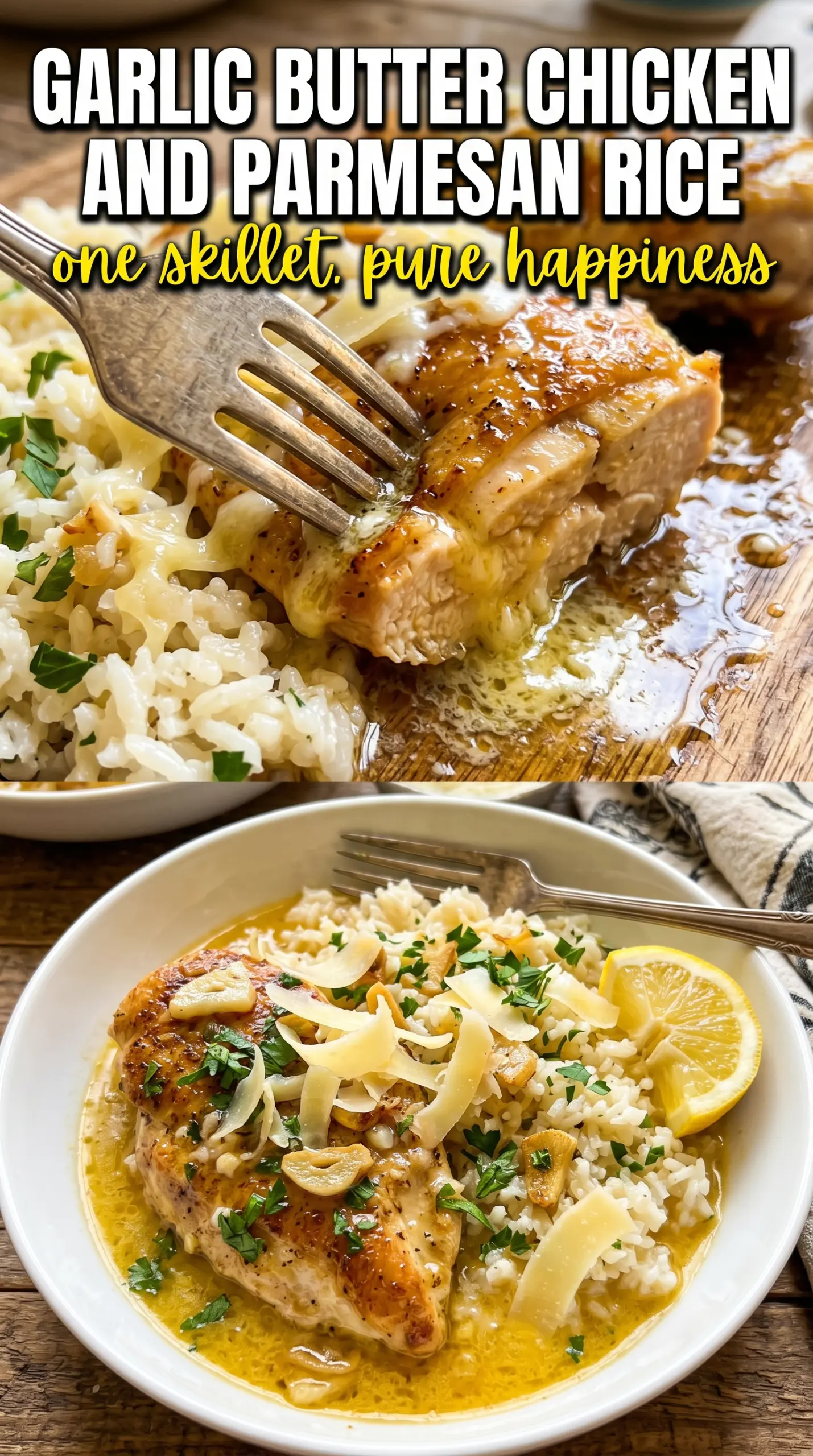
- Chicken breasts (the protein) — Let them sit at room temperature 15 minutes before cooking. This helps them cook evenly without drying.
- Oil or butter (the cooking medium) — This prevents the chicken from drying out and carries herb and spice flavors throughout.
- Garlic (the aromatic foundation) — Fresh minced garlic mellows and becomes sweet when cooked. Don’t brown it or it turns bitter.
- Cream or sauce (the moisture keeper) — This prevents the chicken from drying out during cooking. Balance richness with acid.
- Lemon, wine, or acid (the brightness) — This prevents heavy cream sauces from tasting flat. Add at the end to preserve freshness.
- Fresh herbs (basil, thyme, parsley) — Add some during cooking and some after so you get both cooked and fresh flavors.
- Cheese or toppings (optional richness) — These add creaminess and depth. Don’t overdo it or the dish becomes heavy.
- Proper oven temperature (375-400°F) or pan heat — This cooks chicken through without drying the edges. Use a thermometer for 165°F.
Building the Chicken, Then Letting the Rice Catch the Flavor
Season and Sear the Chicken
Coat the chicken thighs with salt, pepper, garlic powder, and smoked paprika, then sear them in olive oil over medium-high heat until the surface is deep golden and they release easily from the pan. If the chicken sticks, it isn’t ready to turn yet. Once both sides are browned and the center reaches 165°F, pull it out and keep the pan drippings right where they are.
Wake Up the Garlic and Toast the Rice
Add the butter to the same skillet and let the garlic cook just until fragrant, about a minute. Garlic burns fast in butter, so keep the heat controlled and don’t walk away. Stir in the rice and toast it for two minutes; it should look slightly translucent at the edges and smell nutty, not pale and raw.
Simmer Until the Grains Are Tender
Pour in the broth, bring it to a boil, then drop the heat to low and cover the pan. The simmer should be gentle enough that you only see a few small bubbles around the edges. If the liquid boils hard, the bottom can catch before the rice is done.
Finish With Parmesan and Cream
Once the rice is tender, stir in the Parmesan, cream, and thyme off the heat or over very low heat. This is the point where a sauce can turn grainy if the pan is too hot, especially with Parmesan. The rice should turn glossy and spoonable, with enough body to hold the chicken on top without looking dry.
Bring the Chicken Back for the Last Minute
Nestle the chicken into the rice and let it warm through for a minute or two. This lets the juices settle into the rice instead of running off the top of the plate. Finish with parsley for a fresh edge that cuts through the butter and cheese.
How to Change the Dish Without Losing What Makes It Good
Swap in chicken breasts for a leaner version
Chicken breasts work here, but they dry out faster than thighs, so keep the sear brief and pull them as soon as they hit 165°F. Slice thicker breasts in half horizontally if they’re especially large, because thinner pieces reheat into the rice more evenly.
Make it gluten-free without changing the texture
This recipe is naturally gluten-free as long as your chicken broth is certified gluten-free. The texture stays the same, so there’s no special adjustment needed.
Use dairy-free swaps for the sauce
Use plant-based butter, unsweetened oat cream, and a dairy-free Parmesan-style cheese. The sauce won’t taste quite as rich or sharp, but it still turns creamy if you add the cheese over low heat and keep the simmer gentle.
Stretch it for a bigger crowd
You can double the recipe in a wider Dutch oven or deep skillet, but don’t crowd the chicken when searing. Cook it in batches so you still get browning, because pale chicken gives the whole dish less flavor.
Storage and Reheating
- Refrigerator: Store leftovers in an airtight container for up to 4 days. The rice will thicken as it sits, so it’s best loosened when reheated.
- Freezer: It freezes, but the rice softens a bit after thawing and the cream sauce loses some silkiness. Freeze in portions for up to 2 months if needed.
- Reheating: Warm gently on the stove or in the microwave with a splash of broth or water. Heat slowly so the rice loosens before the cheese tightens up again.
Questions I Get Asked About This Recipe
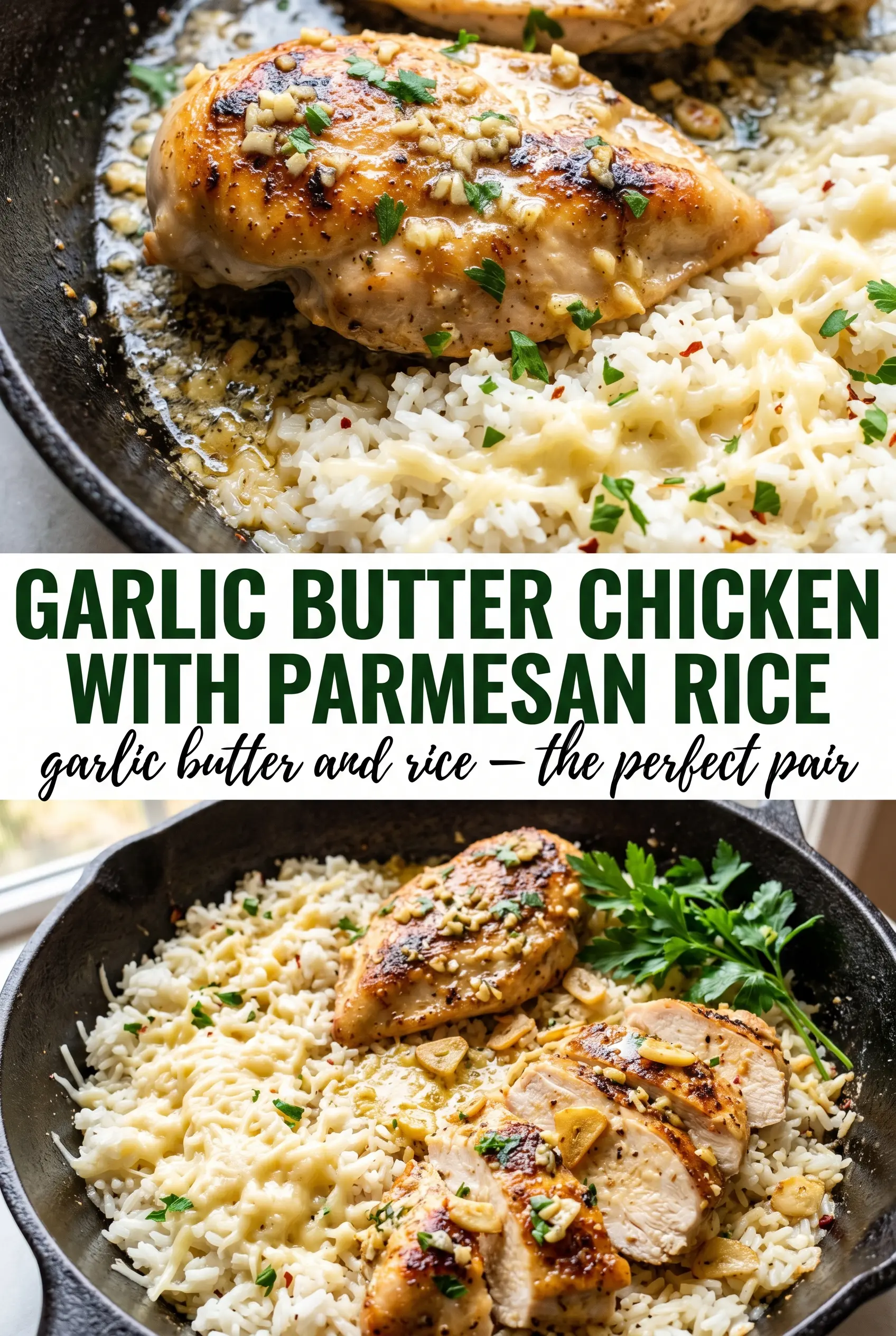
Garlic Butter Chicken with Parmesan Rice
Ingredients
Equipment
Method
- Season the chicken thighs all over with salt, pepper, garlic powder, and smoked paprika to taste. Heat olive oil in a large skillet over medium-high until shimmering.
- Add the chicken and sear for 5-6 minutes per side, until golden and cooked through to 165°F. Remove to a plate.
- Melt the butter in the same skillet. Add the minced garlic and cook for 1 minute, stirring until fragrant.
- Add the long-grain white rice and toast for 2 minutes, stirring to coat and lightly dry-roast the grains.
- Pour in the chicken broth and bring to a boil. Cover and simmer over low heat for 18 minutes, until the rice is tender.
- Stir in the Parmesan cheese, heavy cream, and dried thyme until the rice is creamy and saucy. Return the chicken to the pan and nestle it into the Parmesan rice.
- Garnish with fresh parsley and serve immediately.