Banana cinnamon rolls bake up soft, plush, and just a little sticky in the best way, with a tender crumb that pulls apart in thick, fragrant layers. The banana in the dough doesn’t make them taste like banana bread; it rounds out the sweetness and keeps the rolls moist for days, while the cinnamon filling turns into a rich, jammy swirl as the rolls bake.
The part that makes these work is restraint. Too much banana and the dough gets heavy. Too much flour and you lose the pillowy texture that makes a good roll worth the time. Mashed ripe bananas, warm milk, and a full knead give the dough enough structure to rise well, while thin banana slices in the filling melt down just enough to leave pockets of soft fruit instead of turning the center soggy.
Below, I’m walking through the spots that matter most: how to keep the dough from getting sticky, how to roll the log tightly so the spirals hold their shape, and how to frost them so the topping melts into the warm rolls instead of disappearing.
The dough rose beautifully and the rolls baked up super soft. I was worried the banana slices would make them mushy, but they melted into the filling and added just the right amount of banana flavor.
Love the soft banana swirl and cream cheese frosting? Save these banana cinnamon rolls for a weekend breakfast that feels bakery-worthy without leaving the kitchen.
The Trick to Keeping Banana Dough Light Instead of Dense
Banana dough can tip heavy fast, and that’s usually because the fruit is doing too much work without enough structure to support it. Two ripe bananas give enough flavor and moisture without turning the dough slack, and the 8-minute knead matters here because it builds the gluten that helps these rolls rise into soft spirals instead of flat spirals.
The other place people run into trouble is adding too much flour while the dough still feels sticky. A slightly tacky dough is normal at the start. After kneading, it should smooth out and pull away from the bowl, but still feel soft under your hands. That’s what gives you rolls that stay fluffy after baking instead of turning bready.
What Each Ingredient Is Actually Doing in These Rolls
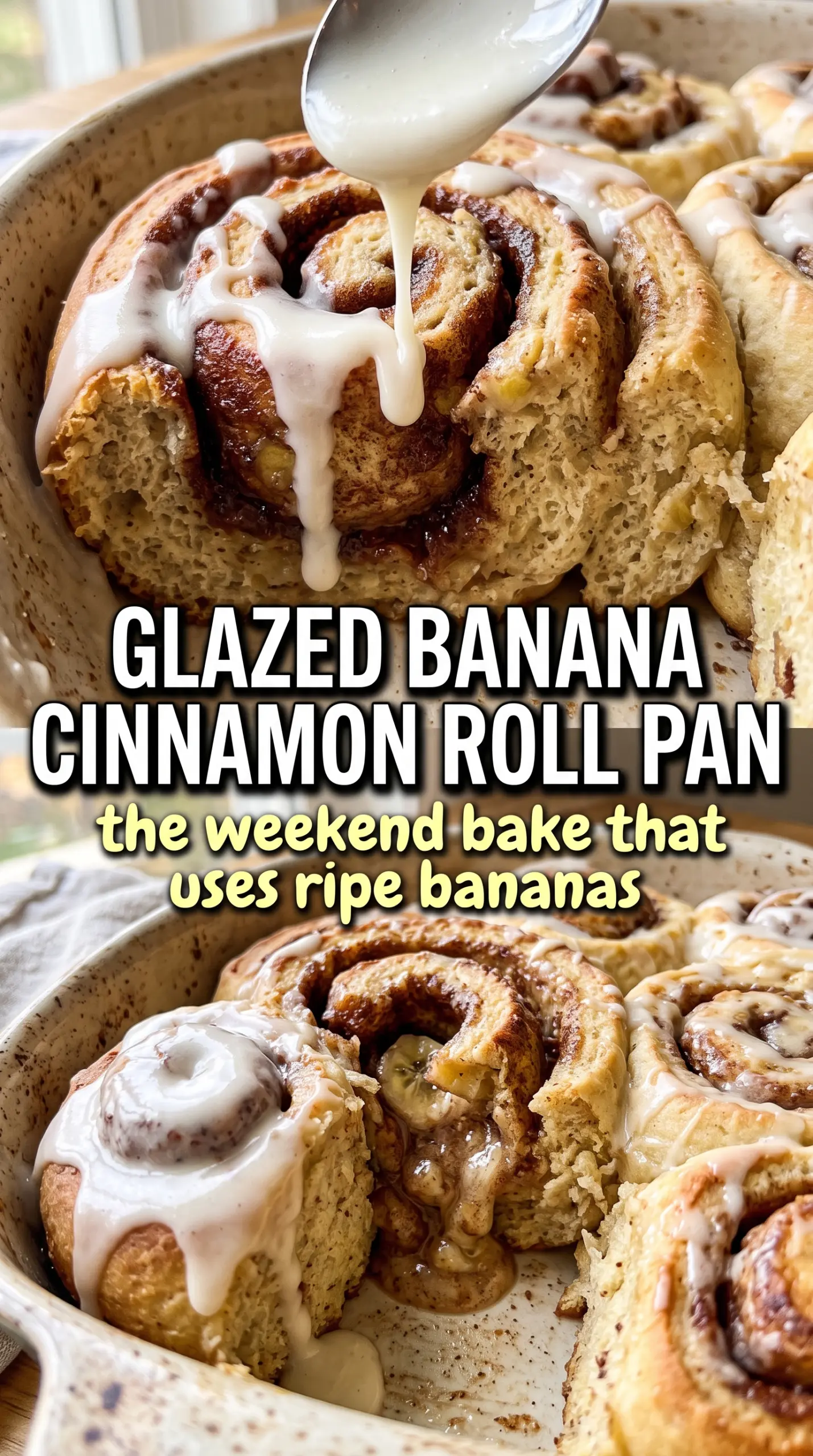
- Ripe bananas — These carry the banana flavor through the dough and the filling. Use bananas with plenty of brown speckles; underripe bananas taste flat and won’t mash smoothly. The bananas in the filling should be sliced thin so they soften as the rolls bake instead of creating thick wet pockets.
- Warm milk — This wakes up the yeast and helps the dough start rising. It should feel warm, not hot; if it’s too hot, it can kill the yeast before the dough has a chance to rise.
- Melted butter in the dough — This keeps the crumb tender and gives the rolls a softer bite. Butter that’s too hot can scramble the egg or stress the yeast, so let it cool for a minute before mixing it in.
- Brown sugar and cinnamon filling — Brown sugar melts into the butter and creates that gooey swirl in the center. Cinnamon brings the main spice note, while a little nutmeg adds warmth without making the filling taste heavy.
- Cream cheese frosting — This is the finishing move. It cuts the sweetness and melts into the warm rolls. Full-fat cream cheese gives the best texture, but if you’re using a lower-fat version, expect a softer, less rich frosting.
How to Roll, Rise, and Bake Them for the Softest Spiral
Activating the Yeast Without Killing It
Stir the yeast into warm milk with the sugar and let it sit long enough to look foamy and active. That’s your sign the yeast is alive and ready to work. If the milk is too hot, the mixture stays flat and you’ll waste the whole batch, so aim for warm like bath water, not steaming. Once the banana, butter, and egg go in, the mixture should smell sweet and lightly yeasty, not sharp or sour.
Building the Dough by Hand or Mixer
Add the flour, cinnamon, and salt gradually, then knead until the dough turns smooth and elastic. At first it will look messy and sticky, and that’s normal. As it develops, it should start pulling away from the sides of the bowl and spring back slowly when you press it. If you stop too early, the rolls bake up tight instead of fluffy.
Rolling the Filling and Keeping the Spiral Tight
Roll the dough into a clean 12×18 rectangle before adding the filling. Spread the softened butter all the way to the edges, then scatter the brown sugar mixture evenly so every slice has flavor. Lay the banana slices in a single layer and roll from the long side with steady pressure. If you roll loosely, the centers unwind while baking and the filling leaks out.
Baking Until the Centers Set
Once the sliced rolls have risen, bake at 375°F until the tops are deeply golden and the centers look set, about 22 to 25 minutes. The middle roll should puff up and look cooked through, not doughy or wet in the center. If the tops brown too quickly, loosely tent the pan with foil for the last few minutes. Let them cool for 10 minutes before frosting so the topping melts into the swirls instead of sliding off.
Make Them a Little More Dessert-Like
Add a handful of chopped toasted walnuts or pecans to the filling for crunch and a nuttier finish. The rolls stay soft, but the topping gets a little more texture and the banana flavor reads warmer and deeper.
Dairy-Free Banana Cinnamon Rolls
Swap the milk for an unsweetened non-dairy milk and use plant-based butter in both the dough and filling. The texture stays soft, though the frosting will be a little lighter unless you use a thicker dairy-free cream cheese.
Make-Ahead Overnight Rolls
After slicing the rolls, cover the pan and refrigerate overnight instead of doing the second rise at room temperature. In the morning, let them sit out until slightly puffy, then bake as directed. This keeps the schedule flexible and the texture stays just as soft.
Storage and Reheating
- Refrigerator: Store covered for up to 4 days. The rolls stay soft, though the frosting will firm up.
- Freezer: Freeze unfrosted rolls tightly wrapped for up to 2 months. Thaw overnight in the fridge and frost after warming.
- Reheating: Warm individual rolls in the microwave for 15 to 20 seconds, or cover the pan with foil and reheat in a 300°F oven. Don’t overheat them or the bread dries out before the center gets warm.
Questions I Get Asked About This Recipe
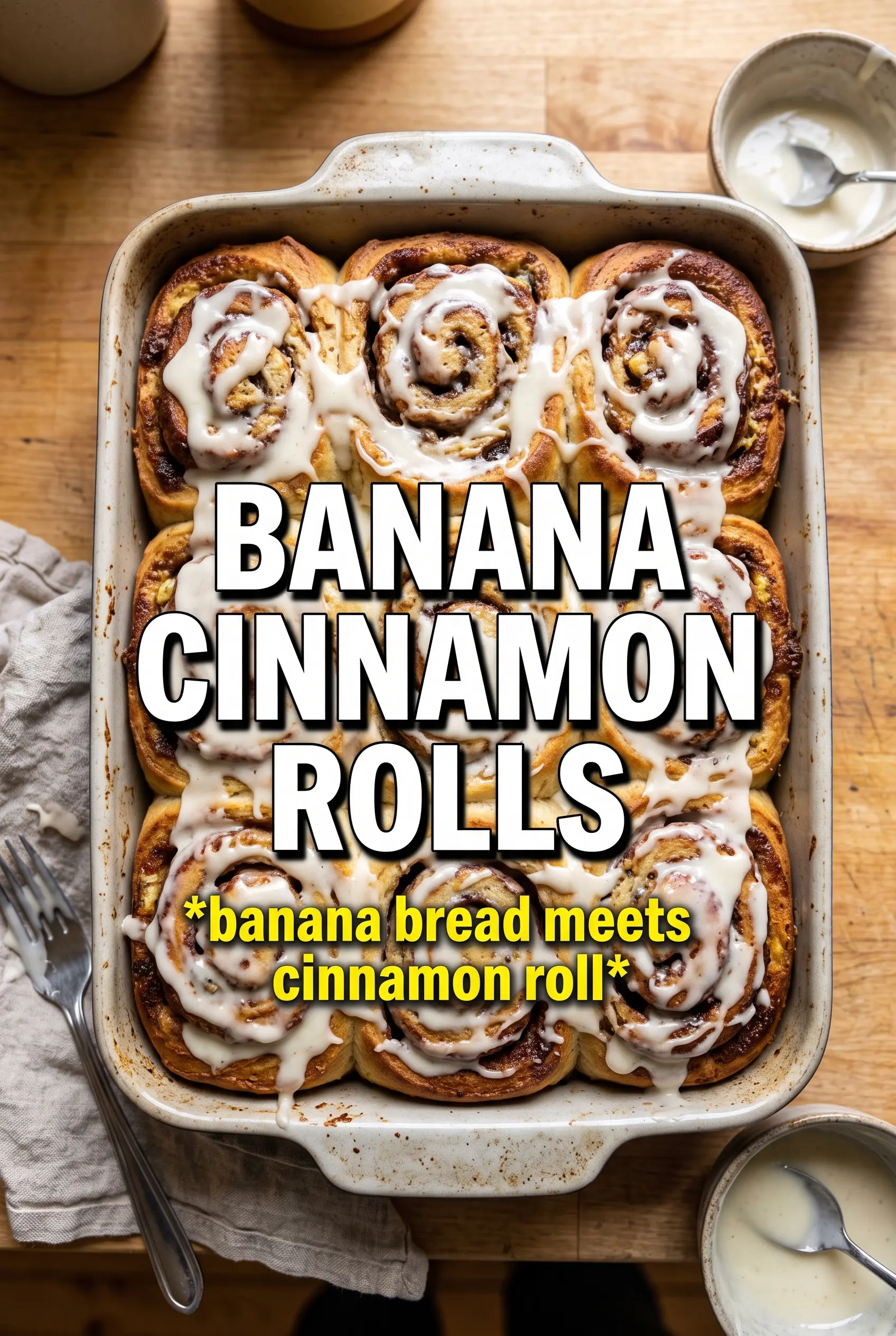
Banana Cinnamon Rolls
Ingredients
Equipment
Method
- Activate yeast in warm milk: pour warm milk into a bowl, then add sugar, mashed banana, melted butter, and egg. Stir until smooth and foamy around the edges.
- Knead in flour mixture: add flour, cinnamon, and salt, then knead until the dough is smooth and elastic, about 8 minutes. The dough should look slightly tacky but hold together as you knead.
- Rise the dough: place dough in a lightly greased bowl, cover, and let rise for 1 hour. It should double in size and look puffed and airy.
- Roll and fill: roll dough into a 12x18 rectangle, then spread softened butter filling over the surface. Sprinkle brown sugar, cinnamon, and nutmeg evenly, then lay banana slices across the top.
- Roll tightly and cut: roll the dough tightly into a log and cut into 12 rolls. Arrange cut sides up on a sheet pan so the layers stay visible.
- Second rise: cover rolls and let rise for 30 minutes. They should look larger and feel soft when gently pressed.
- Bake: bake at 375°F for 22–25 minutes, until the tops are golden and the centers look set. You should see slightly browned edges and a springy texture.
- Cool briefly: cool the rolls for 10 minutes after baking. This helps the frosting melt into streaks instead of disappearing.
- Drizzle frosting: mix cream cheese, butter, powdered sugar, and vanilla until smooth, then drizzle over warm rolls. Finish with any visible banana slices that may peek through the swirls.