Silky, glossy rhubarb butter turns sharp spring rhubarb into something spreadable, concentrated, and a little bit addictive. It’s the kind of condiment that makes plain toast feel cared for, but it’s just as good spooned over yogurt, tucked beside biscuits, or layered with peanut butter on a sandwich.
The trick is giving the rhubarb enough time to break down before you blend it. Sugar and a little water pull out the juice at the start, then the simmer reduces everything into a thick base instead of a loose jam. I also like adding the vanilla at the end, after the heat has done its work, because it keeps the flavor round and soft instead of cooked off.
Below you’ll find the small details that matter most: how thick to cook it before blending, how to judge the final texture, and what to do if your rhubarb is especially tart or stringy.
I cooked it until it looked almost too thick in the pot, and that was the right call. It set up into the smoothest rhubarb spread after chilling, and the vanilla kept the flavor balanced instead of overly sharp.
This smooth rhubarb butter is perfect for toast, biscuits, and spoonfuls straight from the jar.
The Part Where Rhubarb Turns From Watery to Spreadable
Rhubarb gives up a lot of liquid before it turns into something you can actually spread. If you stop too early, you get a thin puree that slides off toast. The goal here is to cook past the point where it looks loose and keep going until the bubbles slow down, the spoon leaves a trail in the pot, and the mixture mounds instead of pouring.
That’s the part most people rush. Rhubarb butter needs evaporation, not just softening. Letting it simmer uncovered is what concentrates the flavor and keeps the finished texture smooth instead of soupy. If your rhubarb is especially juicy, the last few minutes matter more than the first ten.
What the Sugar, Water, and Vanilla Are Actually Doing Here
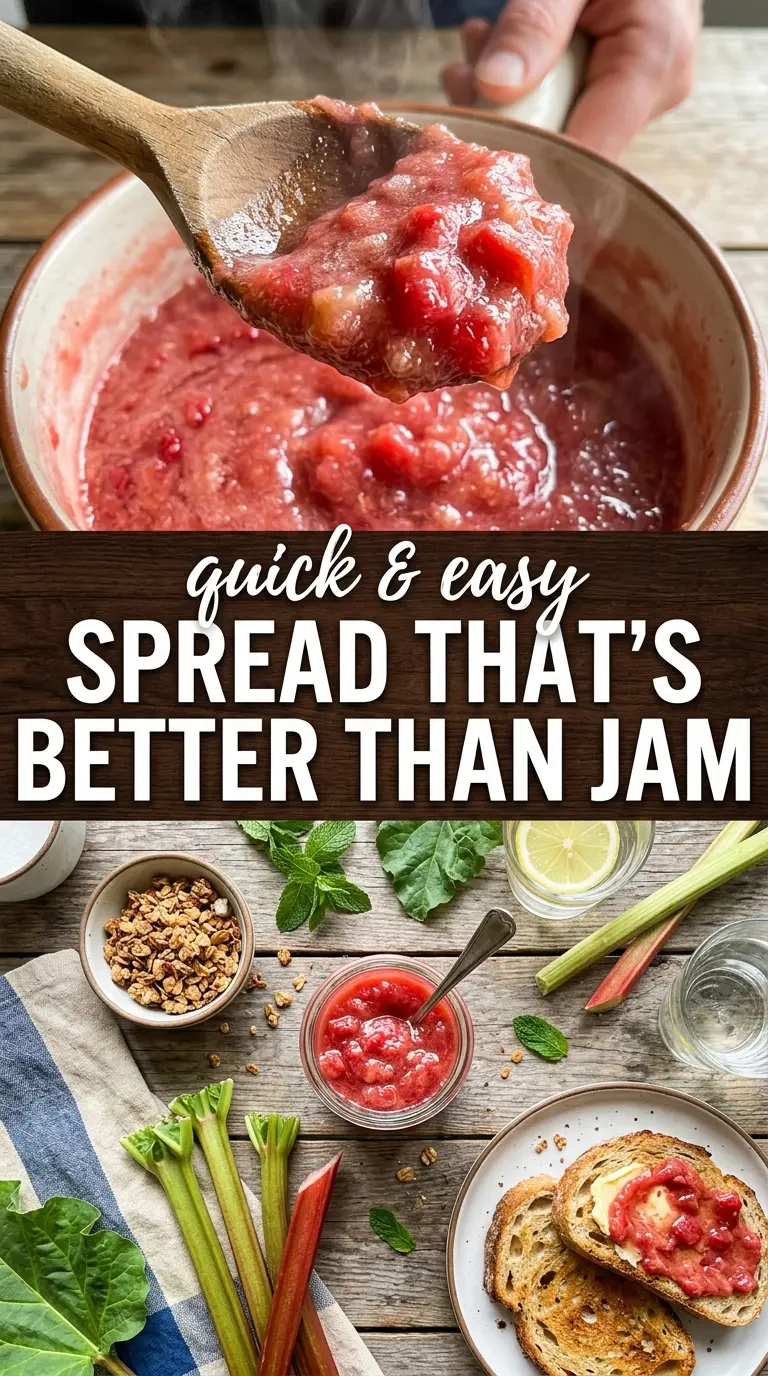
- Fresh rhubarb — This is the whole point of the recipe. Fresh stalks break down into a soft, tart base with the brightest color and cleanest flavor. Older rhubarb can turn stringy, so trim any tough outer threads if the stalks look fibrous.
- Sugar — It does more than sweeten. Sugar helps draw out juice early, then balances the sharpness as the mixture reduces. Cutting it too much changes the texture as well as the taste, because you lose some of the body that makes fruit butter feel rich.
- Water — Just enough to get the pot started before the rhubarb releases its own liquid. You don’t need much, and adding more only stretches the cooking time.
- Vanilla extract — Stir it in at the end so the flavor stays warm and round. If you add it at the beginning, a lot of that softness cooks away. Vanilla bean paste works too if that’s what you have.
Cooking It Down Without Scorching the Bottom
Getting the Pot Started
Combine the rhubarb, sugar, and water in a large, heavy pot and bring it up to a boil over medium heat. At first it will look dry and crowded, then the sugar will pull out juice and the mixture will loosen fast. Stir often once it starts bubbling so the sugar doesn’t sit on the bottom and turn sticky before the fruit softens.
Reducing to a Thick Base
Lower the heat and simmer uncovered for 25 to 30 minutes, stirring every few minutes and scraping the bottom well. You’re looking for a thick, glossy mixture that no longer runs quickly across the pan. If it still looks thin when you drag a spoon through it, give it more time; rhubarb butter thickens a little more as it cools, but it should already look substantial in the pot.
Pureeing Until Completely Smooth
Use an immersion blender to puree the mixture until it’s silky. This is where the texture changes from chunky compote to true fruit butter. Blend carefully because the mixture is hot and can splatter, especially if the pot is too full. If you don’t have an immersion blender, a regular blender works, but let the rhubarb cool slightly first and blend in batches.
Finishing and Checking the Set
Stir in the vanilla, then cook for about 5 minutes more if the texture still seems loose. The finished butter should fall slowly off a spoon and hold its shape in a jar. If it looks stiff in the pot, that’s fine; once chilled, it will settle into a smooth, spreadable consistency.
Make It Sweeter or Sharper
Add another 1/4 cup sugar if your rhubarb is especially tart, or cut it back slightly if you like a brighter, more puckery spread. The texture won’t change much, but the balance will. Taste after blending, while it’s still warm, because that’s the easiest time to judge the final sweetness.
Turn It Dairy-Free and Vegan-Friendly
This recipe already fits both diets as written, since it’s built from fruit, sugar, water, and vanilla. That’s one reason it’s such an easy condiment to keep on hand. Just check that your vanilla extract is pure and not mixed with any unusual additives if you’re cooking for someone with strict ingredient needs.
Use It as a Freezer-Friendly Fruit Spread
If you want to keep it longer, portion the cooled butter into small freezer-safe containers, leaving a little space at the top. It freezes well and thaws with the same smooth texture. The only real mistake is freezing it before it’s fully cool, which can create extra condensation and water down the surface.
Storage and Reheating
- Refrigerator: Store in clean jars for up to 3 weeks. It will thicken more as it chills.
- Freezer: Freezes well for up to 3 months in airtight containers, with a little headspace for expansion.
- Reheating: It usually doesn’t need reheating, but if you want it looser for serving, warm a spoonful gently in the microwave or over low heat. Don’t boil it again or the texture can turn stiff after it cools.
Questions I Get Asked About This Recipe
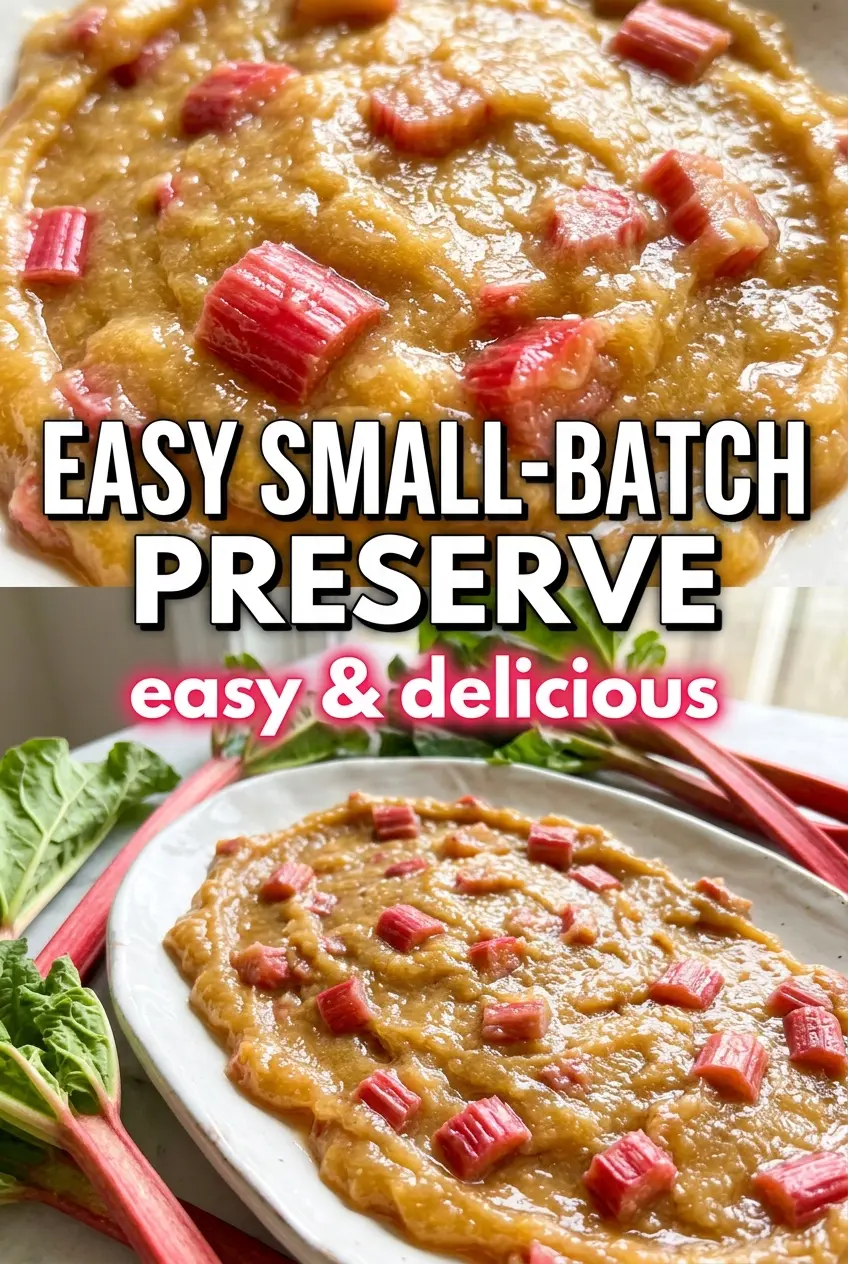
Simple Rhubarb Butter
Ingredients
Equipment
Method
- Combine chopped fresh rhubarb, sugar, and water in a large pot and bring to a boil. Stir to dissolve the sugar, then keep the boil going so the fruit starts breaking down.
- Reduce heat to a gentle simmer and cook uncovered for 25-30 minutes, stirring occasionally. Continue until the mixture is very thick with jammy consistency.
- Use an immersion blender to puree the cooked rhubarb mixture until completely smooth. Blend thoroughly so there are no visible chunks or streaks.
- Stir in vanilla extract and cook for 5 minutes more if needed. Continue simmering until the butter reaches your desired thickness.
- Pour the hot rhubarb butter into clean jars and cool before refrigerating. Refrigerate for up to 3 weeks.