Tender rhubarb tucked under a golden, buttery crumble is the kind of dessert that disappears fast, especially when the filling turns glossy at the edges and the topping stays crisp enough to crack under a spoon. The best versions balance sharp fruit with a sweet, sandy crust, so every bite lands somewhere between jammy and crumbly instead of sliding into mush.
This version leans on a little cornstarch to thicken the rhubarb juices as it bakes, which keeps the filling from running all over the plate. Cold butter matters here, too. When it’s cut into the flour and brown sugar in uneven little pieces, it bakes into nubbly clusters instead of melting into a flat layer. That’s what gives the topping its proper crunch.
Below, I’ve included the one resting step that keeps the filling from spilling out too soon, plus a few smart swaps for when you need to work with what’s in the kitchen. If you’ve ever had rhubarb crumble come out watery or dense, the details here will help.
The filling set up beautifully and the topping stayed crisp even after we spooned custard over it. I loved that the rhubarb kept its shape instead of turning into soup.
Save this Old-Fashioned Rhubarb Crumble for the moment you want sharp rhubarb, a buttery crumble top, and warm custard in one pan.
The Reason This Crumble Stays Juicy, Not Watery
Rhubarb gives off a lot of liquid as it bakes. That’s the first thing to respect here. Cornstarch isn’t there to make the filling stiff and pasty; it’s there to catch the juice once the fruit softens so the whole dessert settles into a spoonable layer instead of flooding the dish.
The other thing that matters is the bake. If you pull it too soon, the topping may look browned but the filling underneath will still be thin and sharp. You want the edges bubbling and the center actively popping through the crumble. That bubbling is the sign that the starch has activated and the fruit has released enough liquid to become syrupy.
- Fresh rhubarb — Use stalks that are firm and vivid, not limp. Large pieces hold their shape better, while very thin pieces can collapse into puree.
- Cornstarch — This is the cleanest thickener for the filling. Flour works in a pinch, but it can make the juices cloudy and a little heavier.
- Cold butter — Cold butter is what gives the topping its crumbly texture. If it softens before baking, the topping turns dense instead of crisp.
- Brown sugar — This adds a deeper, slightly caramel note that suits rhubarb better than plain white sugar in the crumble itself.
What Each Ingredient Is Actually Doing in the Dish
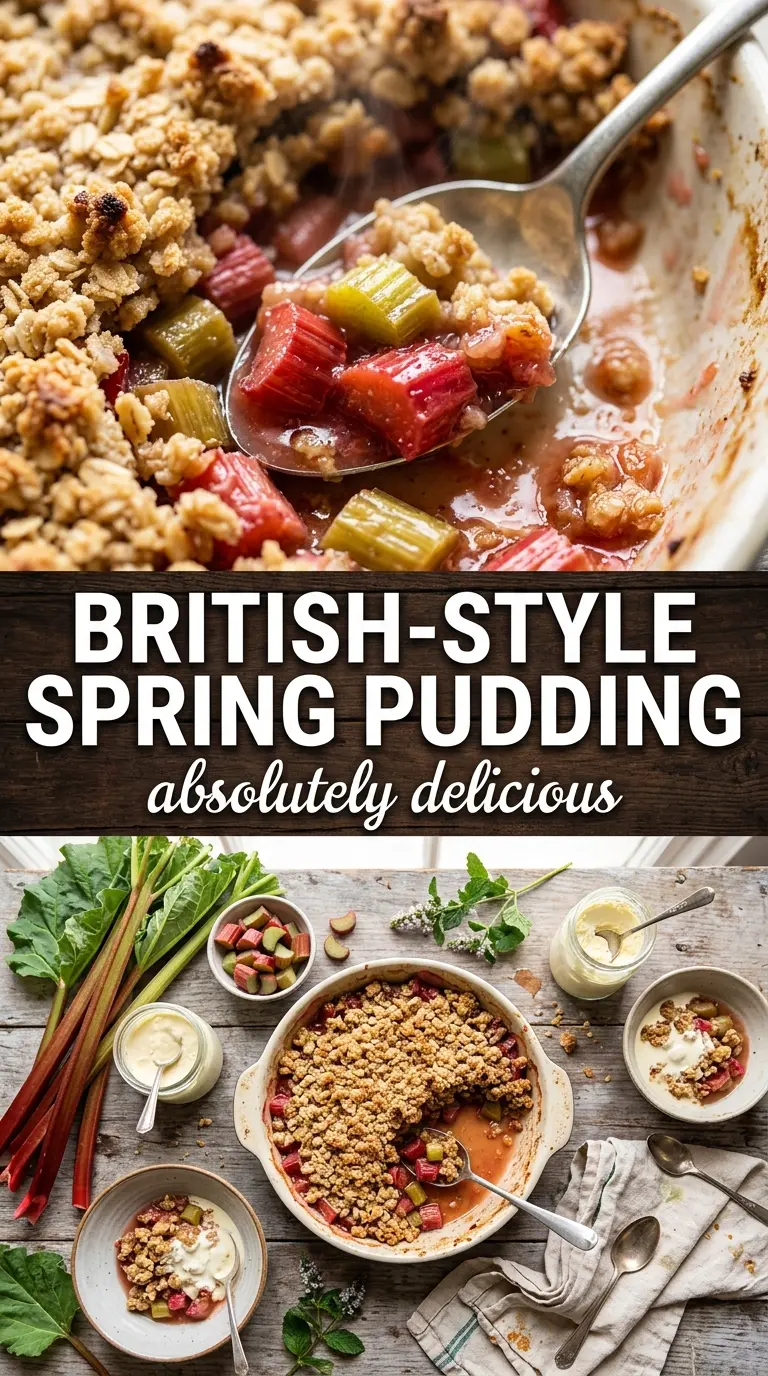
The filling is simple, but each part has a job. Sugar draws out the rhubarb’s juices and softens its sharpness. Vanilla rounds out the fruit without turning the dessert into something that tastes like custard cake. It’s subtle, but it keeps the filling from tasting one-note.
The crumble is intentionally basic because the texture matters more than bells and whistles. Flour gives the topping structure, brown sugar helps it brown and adds a little chew, and salt keeps the topping from tasting flat. If you need to swap the butter, use a solid plant-based baking stick rather than a soft tub spread, because the topping depends on fat that stays cold long enough to bake into crumbs.
Building the Fruit Layer and Crumble So They Bake at the Same Pace
Preparing the Rhubarb
Toss the rhubarb with the sugar, cornstarch, and vanilla until every piece is lightly coated, then spread it in an even layer in the dish. The sugar will start drawing out liquid almost immediately, which is exactly what you want. If the rhubarb sits too long before baking, you’ll see a puddle forming at the bottom; get it into the oven once it’s mixed.
Cutting the Butter Into the Flour
Work the cold, cubed butter into the flour, brown sugar, and salt until the mixture looks like rough breadcrumbs with a few larger clumps. Those clumps bake into the best bits. If everything turns sandy and uniform, the crumble will still taste good, but it won’t have the same nubby texture on top.
Baking Until the Filling Bubbles Through
Sprinkle the crumble over the fruit in an even layer and bake until the topping is deep golden and the filling is bubbling around the edges and in a few spots near the center. That usually takes the full time listed, sometimes a touch more depending on how juicy the rhubarb is. If the top browns early, lay a piece of foil loosely over it and keep baking until the filling shows clear signs of bubbling.
Letting It Set Before Serving
Give the crumble at least 15 minutes to cool. The filling thickens as it rests, and if you cut in too early, the juices will run and the layers won’t hold together. It should still be warm when you serve it, just not molten.
Three Ways to Work This Crumble Into Your Own Kitchen
Dairy-Free Crumble
Swap the butter for a firm dairy-free baking stick that’s designed for pastry. Avoid soft spreads, which melt too fast and give you a greasy topping instead of distinct crumbs. The flavor stays close to the original, though the finish can be a little less rich.
Gluten-Free Version
Use a good 1:1 gluten-free flour blend in place of the all-purpose flour. The topping will be a little more delicate and less chewy, but it still bakes up well if you keep the butter cold and avoid overmixing.
Less Sweet, More Tart
Cut the sugar in the filling by 2 to 3 tablespoons if your rhubarb is especially young and tender. The crumble will still provide enough sweetness on top, but the finished dessert will taste sharper and more fruit-forward.
Storage and Reheating
- Refrigerator: Store covered for up to 4 days. The topping softens a bit as it sits, but the flavor holds well.
- Freezer: Freeze after baking and cooling completely. Wrap tightly and freeze for up to 2 months; the topping won’t stay as crisp, but the dessert still reheats well.
- Reheating: Warm individual portions in a 325°F oven until the filling is hot and the topping perks back up. The microwave makes the crumble soggy, so use it only if you don’t mind losing the texture.
Answers to the Questions Worth Asking
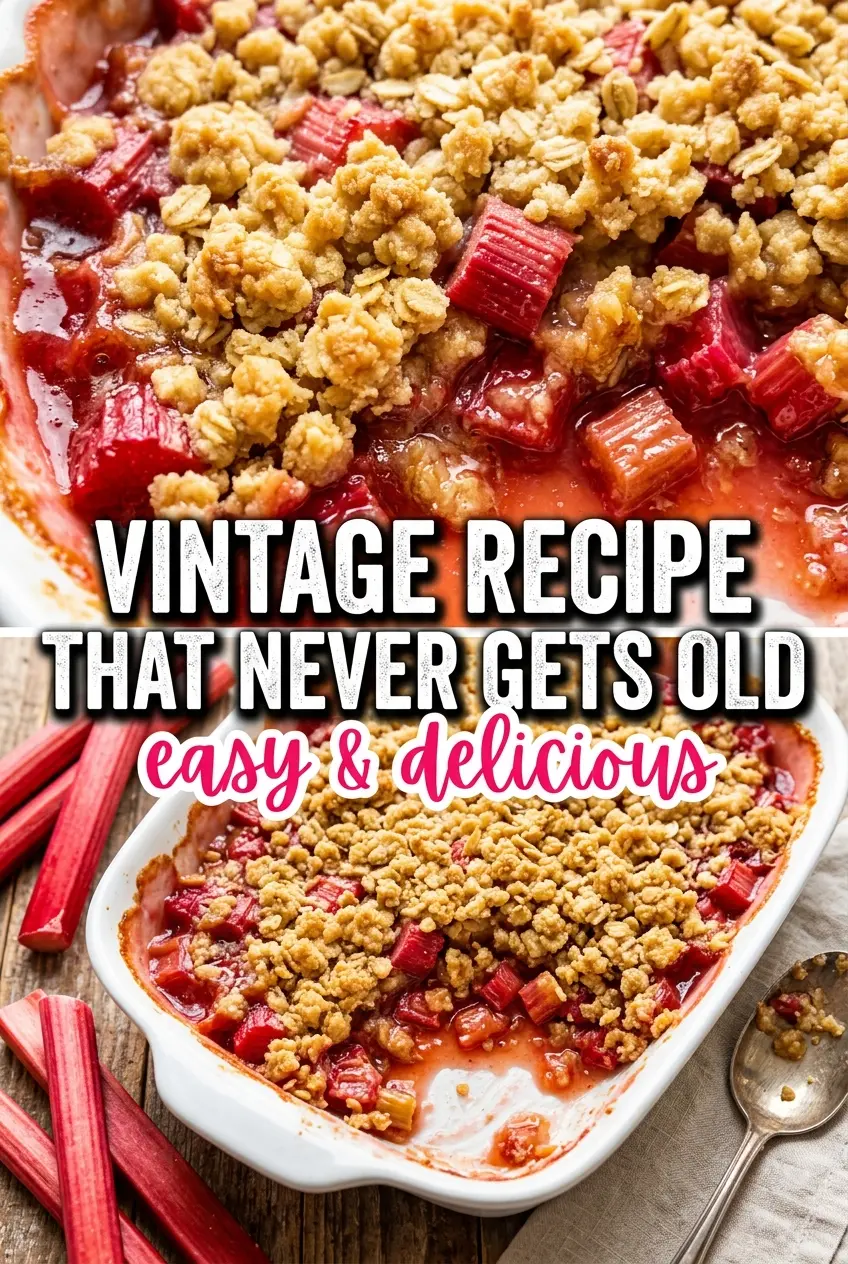
Old-Fashioned Rhubarb Crumble
Ingredients
Equipment
Method
- Preheat the oven to 375°F, then butter a 2-quart baking dish. Set the dish aside so it’s ready to fill.
- Toss the rhubarb with sugar, cornstarch, and vanilla until evenly coated. Spread the mixture in the prepared baking dish to form an even layer.
- Combine flour, brown sugar, and salt, then cut in the cold butter until the mixture looks like coarse breadcrumbs. Keep working until no large butter chunks remain.
- Sprinkle the crumble evenly over the rhubarb so the surface is fully covered. Place the dish on a sheet pan and bake for 35-40 minutes until the topping is golden and the filling is bubbling.
- Let the crumble cool for 15 minutes before serving. Serve warm with vanilla custard or ice cream.