Bright, juicy mango salsa has a way of disappearing before anything else on the table. The sweet fruit, sharp red onion, and jalapeño heat land in the same bite, and that contrast is what keeps people going back for more. When the mango is ripe but still holds its shape, every spoonful stays lively instead of turning soft and muddy.
The trick is balancing texture and seasoning before the salsa ever hits the table. Finely diced mango gives you a clean scoop with chips, while a short rest in the refrigerator gives the lime, salt, and onion time to settle in without dulling the fruit. Chop the cilantro small enough that it disperses through the bowl instead of clumping on top, and taste after the rest because mango sweetness can change how much salt and lime you need.
Below you’ll find the small details that keep the salsa fresh, plus a few ways to adjust the heat, texture, and serving style depending on what you’re pairing it with.
The mango stayed in nice little cubes after the rest, and the lime and jalapeño came through without burying the sweetness. I served it with grilled chicken, and the bowl was scraped clean.
Love the sweet-heat balance in this mango salsa? Save it to Pinterest for taco nights, grilled fish, and any meal that needs a fresh, juicy finish.
The Small Mistake That Turns Mango Salsa Mushy
The most common problem with mango salsa isn’t flavor. It’s overmixing. Mango is fragile once it’s diced, and aggressive stirring breaks the edges down fast, which gives you a wet bowl instead of crisp, spoonable salsa. Gentle folding keeps the fruit in distinct pieces, so the lime juice can coat everything without turning the whole thing into a chutney.
The second mistake is using mango that’s too soft. You want ripe fruit, but it should still give a little resistance when you cut it. If it feels like butter under the knife, save it for blending into a sauce or smoothie and use firmer mango for this salsa. That small texture difference is what keeps the finished bowl bright after the rest in the fridge.
What Each Ingredient Is Doing in This Bowl
- Mango — This is the backbone of the salsa, so ripe flavor matters more than perfect appearance. Choose mangoes that smell fragrant at the stem and yield slightly to pressure, then dice them small enough to catch on a chip but not so tiny that they collapse.
- Red onion — Raw red onion gives the sharp bite that keeps the salsa from tasting flat. If yours is especially strong, soak the diced onion in cold water for 5 minutes, drain it well, and the edge softens without losing the crunch.
- Jalapeño — This adds heat and a little grassy depth. Remove the seeds and inner membranes if you want a milder salsa; leave some in if you want the heat to sit up front instead of fading into the background.
- Fresh lime juice — Bottled lime juice won’t taste the same here. Fresh juice adds brightness that wakes up the mango and keeps the salsa from reading too sweet.
- Cilantro — Cilantro makes the salsa taste fresh instead of just fruity. Chop it finely so it disperses evenly, and add it right before the rest time so it doesn’t darken too quickly.
Building the Salsa So the Mango Stays Bright
Mix the base without bruising the fruit
Combine the mango, red onion, jalapeño, and cilantro in a medium bowl, then use a light hand from the start. If you stir like you’re tossing a salad, the mango edges break down and release juice before the salt even goes in. A few gentle turns are enough to distribute everything evenly.
Add the lime and seasoning last
Pour the lime juice over the bowl, then add the salt and black pepper. The lime starts pulling the flavors together right away, and the salt helps the mango taste sweeter without adding sugar. If the bowl looks watery at this stage, that’s normal; the rest time will let the ingredients settle and reabsorb some of that liquid.
Let the flavors meld in the refrigerator
Thirty minutes in the fridge is enough to take the sharp edge off the onion and let the lime spread through the fruit. Stir once halfway through if you want even seasoning, but don’t keep checking it every few minutes. After the rest, taste again before serving because cold fruit can mute salt and acid, and a final pinch of either may be the difference between good and great.
How to Adapt This for Different Tables
Make it milder for kids or heat-sensitive eaters
Use half a jalapeño and remove every seed and membrane. You still get the pepper’s green freshness without the burn, and the mango stays front and center.
Turn it into a cilantro-free version
If cilantro tastes soapy to you, swap in finely chopped flat-leaf parsley. The salsa loses a little of its classic Mexican-style herbal note, but it still tastes fresh and balanced.
Add avocado right before serving
Fold in diced avocado at the very end if you want a richer, more filling salsa. It makes the texture creamier, but it won’t hold as long, so this version should be served the same day.
Keep it naturally vegan and gluten-free
As written, this salsa already fits both diets. The only thing that can trip people up is serving it with seasoned chips or proteins that bring hidden gluten, so the salsa itself is the safe part of the plate.
Storage and Reheating
- Refrigerator: Store in an airtight container for up to 2 days. After that, the mango softens and the salsa turns loose.
- Freezer: Don’t freeze it. Mango salsa loses its fresh texture when thawed, and the onion and cilantro go soft in a way that can’t be fixed.
- Reheating: No reheating needed. Serve it cold or at cool room temperature, and stir before serving because the juices settle at the bottom.
Questions I Get Asked About This Recipe
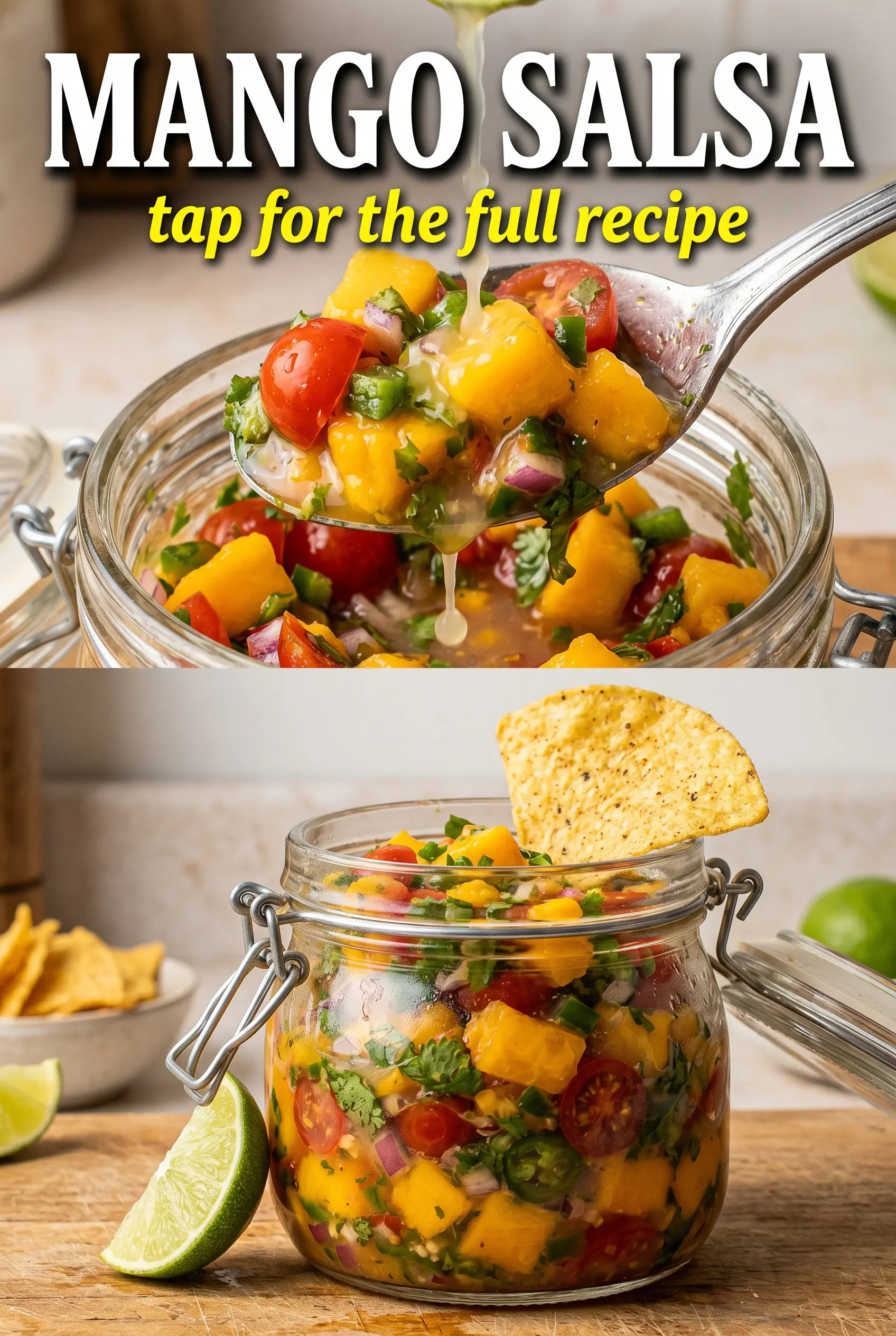
Mango Salsa
Ingredients
Method
- Combine diced mango, red onion, minced jalapeño, and chopped cilantro in a medium bowl. Fold gently so the mango stays in bright chunks.
- Add fresh lime juice, salt, and black pepper. Stir until evenly coated, using a light touch to avoid crushing the mango.
- Let the salsa rest in the refrigerator for 30 minutes so the flavors meld. Keep it covered to prevent odors from absorbing into the fruit.
- Stir again before serving and taste to adjust seasonings if needed. Serve chilled for the best fresh, crisp texture.
- Store the mango salsa in an airtight container in the refrigerator for up to two days. Stir well again before serving leftovers.