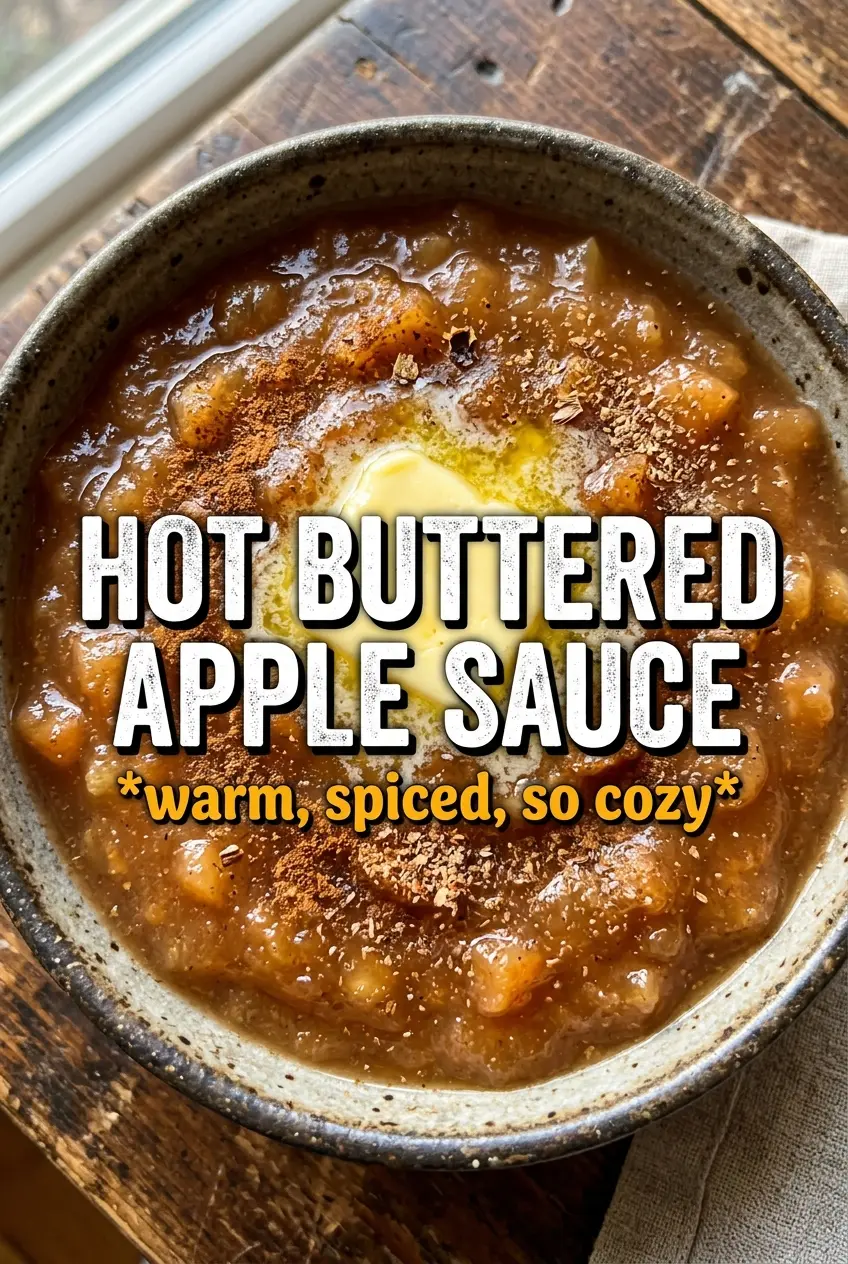
Hot buttered applesauce lands with a deeper, rounder flavor than the plain stovetop version most people grew up with. The butter goes in first and picks up just enough color before the apples hit the pan, which gives the sauce a toasted, almost caramel edge without needing a lot of added sugar. The result is silky, warmly spiced, and the kind of side dish that disappears fast whether you serve it with pork, spoon it over pancakes, or eat it warm from the bowl.
The trick here is timing. The apples go into the butter while it’s just starting to brown, so they pick up that nutty flavor before they soften. Apple cider keeps the fruit from catching on the bottom of the pan, brown sugar or maple syrup rounds out the tartness, and a tiny bit of vanilla at the end makes the whole thing taste finished. If you’ve only made applesauce by simmering apples in water, this version will taste richer right away.
Below, I’ve included the one texture cue that matters most, plus a few swaps that still keep the sauce balanced and spoonable. The whole recipe is simple, but the small choices make a big difference.
The apples broke down into the smoothest sauce, and the browned butter gave it this cozy, almost caramel flavor that made it taste like dessert with dinner.
Like this browned-butter applesauce? Save it to Pinterest for a warm, cinnamon-scented side dish that comes together fast.
The Butter-Browning Moment That Gives This Applesauce Its Edge
Most applesauce starts by softening the fruit in liquid and adding fat later, but that misses the best flavor in the pan. Browning the butter first gives you a toasty backbone that makes the apples taste more apple-like and keeps the sauce from reading flat. You want the butter just past melted, with the milk solids turning golden and smelling nutty, then the apples go in right away so the butter doesn’t keep darkening and turn bitter.
The other thing that matters is the apple choice. A mix like Honeycrisp, Fuji, or McIntosh softens into a smooth sauce without turning gluey, and it keeps enough natural sweetness that you don’t need much sugar. If your apples are very tart, the sauce may need a little more maple syrup or brown sugar at the end. If they’re very sweet, the salt and nutmeg keep the flavor from becoming one-note.
What Each Ingredient Is Actually Doing In This Sauce
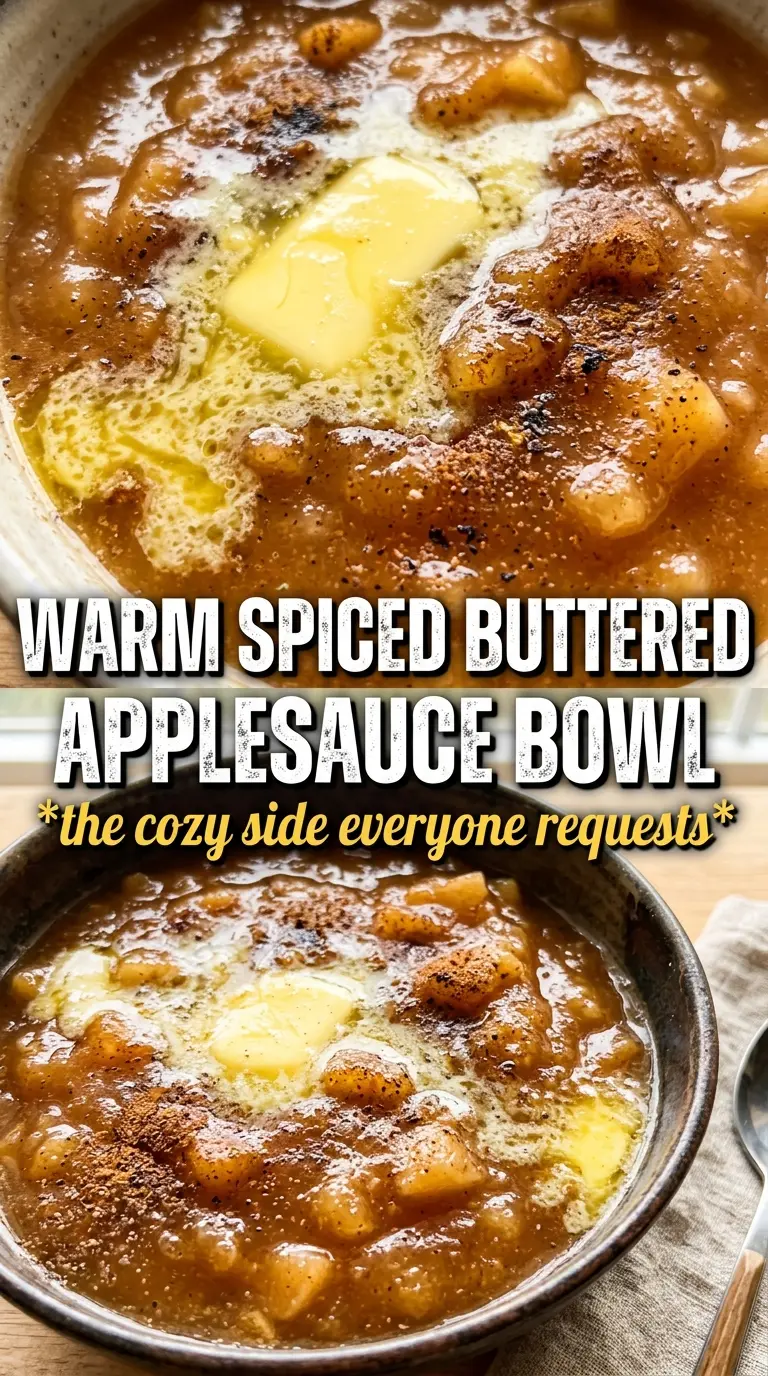
- Apples — These are the body of the sauce, so pick varieties that break down easily. Honeycrisp gives a bright flavor, Fuji leans sweeter, and McIntosh gets soft fast, which is great if you want a smoother applesauce without much mashing.
- Unsalted butter — This is where the richness comes from. Salted butter can work in a pinch, but unsalted gives you better control, especially since the sauce already has salt added.
- Apple cider or apple juice — Just enough liquid to keep the apples from scorching while they steam down. Cider gives a fuller apple flavor; juice is fine if that’s what you have, but it tastes a little cleaner and less rounded.
- Brown sugar or maple syrup — Both add sweetness, but brown sugar gives a deeper molasses note while maple syrup keeps the sauce a little lighter. Start with the listed amount and adjust after the apples are soft, since the flavor concentrates as it cooks.
- Cinnamon and nutmeg — These are the spice backbone, and the nutmeg should stay subtle. Freshly grated nutmeg matters more than the cinnamon here because it adds warmth without making the sauce taste dusty.
- Vanilla extract — Stirred in at the end, it rounds out the spices and makes the sauce taste finished. If you add it too early, some of that aroma cooks off.
Let The Apples Break Down Before You Mash Anything
Starting With Brown Butter
Melt the butter in a large saucepan over medium heat and watch for the foamy stage to fade. As soon as you smell a nutty aroma and see the milk solids turn golden, add the apples right away. If the butter goes from golden to dark brown before the fruit is in the pan, the flavor can turn sharp, so don’t walk away at this point.
Softening The Fruit Under A Lid
After the cider, brown sugar, cinnamon, nutmeg, and salt go in, cover the pan and let the apples simmer until they collapse completely, about 20 to 25 minutes. You’re looking for pieces that give no resistance when pressed with a spoon and a syrupy liquid at the bottom of the pan. If the pot looks dry before the apples are tender, add a splash more cider; dry heat is what causes scorching, not patience.
Choosing The Texture At The End
Mash the apples while they’re still hot if you want a chunkier sauce, or use an immersion blender for a smoother finish. Blend only until the texture looks the way you want, because overblending can make applesauce a little gummy, especially with very soft apples. Stir in the vanilla last, then taste and decide whether it needs a touch more sweetener or a pinch more salt to wake it up.
Three Ways To Adjust The Sauce Without Losing The Balance
Make It Dairy-Free
Swap the butter for a neutral vegan butter if you want to keep the richness without dairy. You won’t get the same browned, nutty depth, but the sauce will still be silky and warmly spiced. If you use coconut oil instead, the sauce will taste a little coconut-forward, which changes the profile more than most people expect.
Lean On Maple Instead Of Brown Sugar
Maple syrup gives the sauce a softer, woodsy sweetness that works well with the butter and cinnamon. It also blends in a little more quickly than brown sugar, so add it with the liquid and taste again at the end. The sauce will be slightly looser, which is fine if you like applesauce that spoones easily.
Go Smooth Or Keep It Rustic
For a smooth sauce, blend it while it’s still hot and stop as soon as the texture is even. For a more rustic side dish, mash lightly and leave a few soft apple pieces behind. The flavor stays the same either way, but the mouthfeel changes the whole mood of the dish.
Storage and Reheating
- Refrigerator: Store in an airtight container for up to 5 days. It may thicken a bit as it chills.
- Freezer: Freezes well for up to 3 months. Cool completely, then portion into freezer-safe containers and leave a little headspace.
- Reheating: Warm gently on the stovetop over low heat or in the microwave in short bursts, stirring between each one. Add a splash of cider or water if it seems too thick; high heat can make it stick and scorch before it warms through.