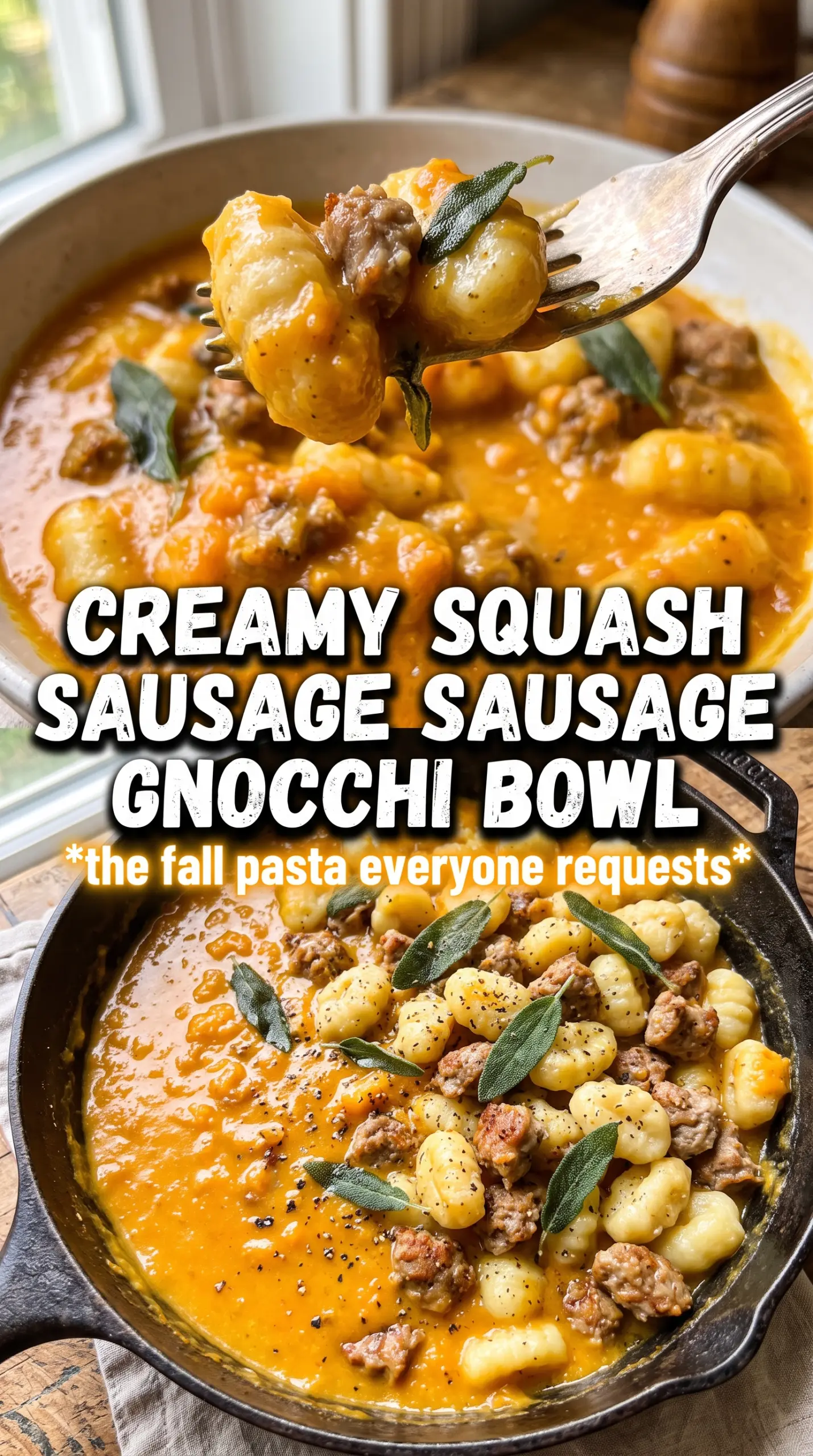
Silky butternut squash cream sauce clings to every pillow of gnocchi here, with browned sausage and crisp sage giving each bite a little weight and a lot of character. It’s the kind of skillet dinner that tastes like it took more effort than it did, and the sauce has enough body to coat the gnocchi without turning heavy or gluey.
The trick is building the sauce in layers. Frying the sage in butter first perfumes the whole pan, and those buttery browned bits give the squash a deeper, rounder flavor than you get from just simmering everything together. Parmesan tightens the sauce just enough, while a small hit of nutmeg keeps the squash from tasting flat or sweet.
Below, I’ve included the little details that matter most: how to keep the sauce smooth, when to add the gnocchi so it doesn’t overcook, and a few swaps that still hold up when you need to work with what’s in the kitchen.
The sauce turned out silky instead of watery, and the crispy sage on top made the whole pan taste restaurant-worthy. I added the gnocchi straight into the sauce like you said and it held up perfectly.
Save this creamy butternut squash gnocchi with sausage and sage for a skillet dinner with silky sauce, crispy sage, and almost no cleanup.
The Step That Keeps the Squash Sauce from Turning Grainy
Butternut squash sauce can go from smooth to heavy fast if the heat is too high when the dairy goes in. The cream and parmesan need a gentle simmer, not a hard boil, because aggressive heat can make the sauce separate or turn the cheese a little gritty. That’s the main difference between a velvety skillet sauce and one that feels thick but flat.
The other thing that matters is starting with a fully pureed squash base. If the puree still has fibrous streaks, those show up in the final sauce, and no amount of parmesan will hide them. A quick simmer after the squash and cream go together gives the starches a chance to settle in and the sauce a chance to thicken naturally before the gnocchi joins the pan.
- Butternut squash puree — Roasted squash gives you the sweetest, deepest flavor, and the texture is smoother than anything made from canned soup-style puree. If you’re using canned puree, use plain squash puree, not pie filling, and expect a slightly lighter flavor.
- Heavy cream — This is what makes the sauce cling to the gnocchi instead of pooling at the bottom of the skillet. Half-and-half can work in a pinch, but the sauce will be thinner and a little more likely to break if you boil it.
- Parmesan — Freshly grated parmesan melts in cleanly and thickens the sauce without turning stringy. Pre-grated parmesan often has anti-caking agents that keep it from melting as smoothly.
- Sage leaves — Frying them in butter gives you crisp leaves for topping and perfumes the whole dish. Dry the leaves well before they hit the pan, or they’ll sputter instead of crisping.
- Italian sausage — The fat and seasoning in the sausage carry the whole dish. Mild or hot both work; if you want a cleaner finish, use sweet sausage and let the sage and nutmeg do more of the talking.
What Each Ingredient Is Actually Doing in This Recipe
- Primary ingredient (the star) — Quality matters most. Choose the best you can find.
- Cooking medium (oil, butter, or broth) — This carries flavors and prevents dryness.
- Seasonings (salt, pepper, spices, herbs) — Layer flavors so nothing overpowers. Build depth gradually.
- Aromatics (garlic, onion, herbs) — Cook with fat to bloom flavors. Become the foundation.
- Supporting ingredients — Complement the main ingredient without overpowering it.
- Sauce or liquid (if applicable) — Brings flavors together. Balance richness with acid.
- Acid (lemon, vinegar, wine, or other) — Brightens and prevents flat-tasting results.
- Final finish (garnish, glaze, or sauce) — Prevents one-dimensional taste and adds visual appeal.
Building the Sauce, Browning the Sausage, and Timing the Gnocchi
Brown the sausage first
Cook the sausage in a large skillet over medium heat until it’s deeply browned and no pink remains. You want actual color here, not just cooked-through meat, because the browned bits left in the pan become part of the sauce. If the pan looks dry before the sausage is done, the sausage wasn’t giving off much fat; add a small dab of butter only if needed, but don’t crowd the pan or it will steam.
Crisp the sage in butter
Drop the sage leaves into the butter once it’s melted and foamy. They should darken in seconds and curl at the edges, then you pull them out before they go from crisp to bitter. If the butter is smoking, it’s too hot, and the leaves will burn before they dry out.
Build the squash base
Add the garlic to the same butter for just about a minute, long enough to smell fragrant but not brown. Stir in the squash puree and cream, then let the mixture settle into a gentle simmer. This is where you want patience: a hard boil makes the sauce look split even when it can still be saved, while a quiet simmer gives you a smooth, glossy finish.
Finish with cheese and gnocchi
Stir in the parmesan, nutmeg, and red pepper flakes, then let the sauce simmer until it turns velvety and coats the back of a spoon. Cook the gnocchi according to the package, then add it directly to the skillet while it’s still warm so it absorbs the sauce instead of drying out. Return the sausage, toss everything together, and finish with the crispy sage and extra parmesan while the pan is still hot.
How to Adjust This Gnocchi Skillet Without Losing the Creamy Texture
Make it gluten-free with gluten-free gnocchi
Swap in a gluten-free gnocchi and keep everything else the same. The sauce doesn’t need flour, so the texture stays creamy, but gluten-free gnocchi can soften faster than regular potato gnocchi, so add it to the pan right after boiling and toss gently.
Make it dairy-free with coconut cream and olive oil
Use full-fat coconut cream in place of the heavy cream and olive oil instead of butter. The sauce will still be lush, but it will taste a little sweeter and less sharp, so add the parmesan only if you’re not keeping it fully dairy-free. If you want a closer savory finish, use a dairy-free parmesan-style topping.
Swap the sausage for mushrooms
For a vegetarian version, brown chopped cremini mushrooms in the skillet until they give off their liquid and start to caramelize, then season them with salt and a pinch of fennel or extra red pepper flakes. You’ll lose the richness of sausage fat, but you gain a deeper earthy note that still plays well with the squash and sage.
Use canned squash puree when that’s what you have
Canned butternut squash puree works fine here as long as it’s plain puree and not seasoned filling. It tends to be a little looser than homemade roasted squash, so simmer the sauce an extra minute or two before adding the gnocchi.
Storage and Reheating
- Refrigerator: Store in an airtight container for up to 3 days. The sauce will thicken as it chills, and the gnocchi will soften a bit.
- Freezer: Freezing isn’t ideal because cream sauces can separate and gnocchi turns mushy after thawing. If you must freeze it, cool it completely and reheat very gently.
- Reheating: Warm it in a skillet over low heat with a splash of cream or water to loosen the sauce. Don’t blast it in the microwave on high, or the sauce can split and the gnocchi will get rubbery.
Questions I Get Asked About This Recipe
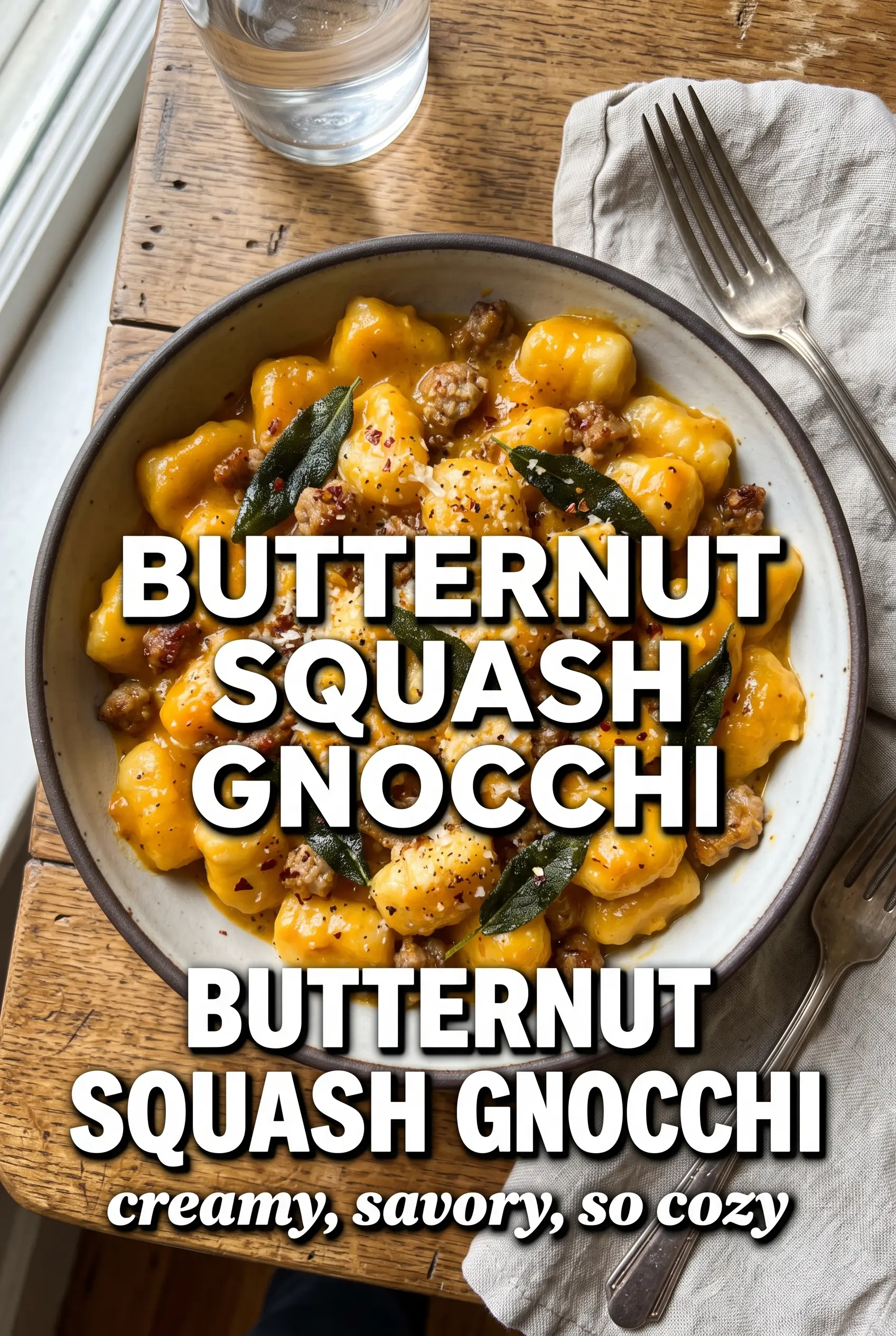
Creamy Butternut Squash Gnocchi With Sausage And Sage
Ingredients
Equipment
Method
- Brown the Italian sausage in a large skillet over medium-high heat until browned, about 6-8 minutes, then drain off excess fat and set sausage aside with a warm appearance.
- Fry the sage leaves in the butter over medium heat until crispy and slightly dark at the edges, about 30-60 seconds, then remove and set aside.
- Sauté the garlic in the same butter for 1 minute over medium heat until fragrant, watching for light golden color.
- Add the butternut squash puree and heavy cream, then stir until combined and glossy, about 2-3 minutes.
- Stir in parmesan, nutmeg, and red pepper flakes, then simmer for 5 minutes until the sauce is smooth and thickened with gentle bubbling.
- Cook the potato gnocchi according to package instructions until tender and floating, then add directly to the sauce.
- Return the sausage to the skillet and toss until evenly coated and the sauce clings to the gnocchi.
- Season with salt and pepper to taste, then top with crispy sage leaves and extra parmesan for a finished golden-orange look.