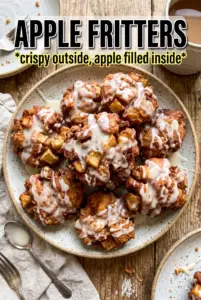
Apple cinnamon cookies bake up soft in the middle with lightly crisp edges, and the little bits of fresh apple give each bite a tender, almost cake-like crumb without making the cookies heavy. The cinnamon sugar coating melts into the surface as they bake, so you get a little spark of spice before the vanilla glaze even hits. They’re the kind of cookie that disappears fast because they taste like something between a cozy snack and a proper dessert.
What makes this version work is the balance between applesauce and diced apple. The applesauce keeps the dough moist and soft, while the finely diced fresh apple adds texture and a brighter apple flavor that actually comes through after baking. Chilling the dough matters here, too — this is a sticky dough, and the rest in the fridge keeps the cookies from spreading too much before the centers set.
Below, I’ve added the small details that help these cookies turn out the same way every time, plus a few swaps if you need to work with what’s in your kitchen. The glaze is simple, but it finishes the cookies with just enough sweetness to pull everything together.
The dough was sticky like you said, but chilling it for an hour made it easy to scoop. The cookies stayed soft for days and the cinnamon sugar edges were my favorite part.
Save these apple cinnamon cookies for the days when you want soft centers, cinnamon sugar edges, and a simple vanilla glaze on top.
The Trick That Keeps Apple Cookies Soft Instead of Cakey
The most common problem with apple cookies is that they turn bready or puff too much. That usually happens when there’s too much flour packed into the cup or the dough bakes before the apples have settled into it. Here, the applesauce brings moisture without making the cookies greasy, and the fresh apple pieces are small enough to soften in the oven without dumping extra liquid into the dough.
Chilling the dough changes the bake in a big way. It gives the flour time to hydrate and firms up the butter, so the cookies spread slowly instead of collapsing into thin rounds. Pull them when the edges are just set and the centers still look a little soft; they finish on the hot pan and stay tender instead of drying out.
- Flour — Spoon and level it if you can. Too much flour is the fastest way to lose that soft texture.
- Applesauce — Unsweetened works best if you have it. Sweetened applesauce will still work, but the cookies will be a touch sweeter and less apple-forward.
- Fresh apples — Dice them finely so they blend into the dough and bake through. Big chunks can leave wet pockets.
- Cinnamon sugar — This isn’t just decoration. It gives the tops a lightly crisp, spiced finish that keeps the cookies from tasting flat.
What Each Ingredient Is Doing in the Bowl
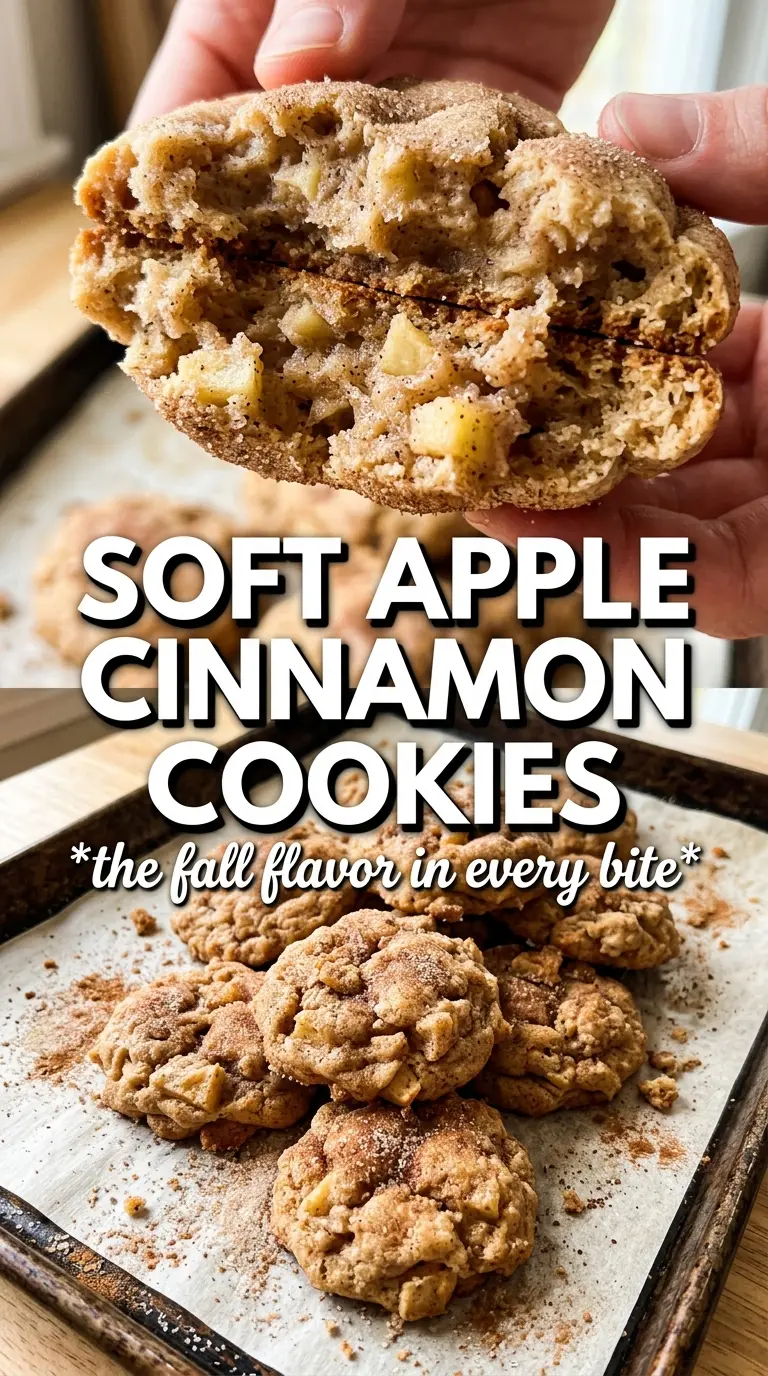
- All-purpose flour — The structure. It keeps the cookies tender but stable enough to hold the apple pieces.
- Baking soda and baking powder — The two leaveners work together for lift and spread. Baking soda helps with browning; baking powder keeps the centers soft.
- Cinnamon and nutmeg — Cinnamon carries the main flavor, while nutmeg adds a warm background note that makes the cookies taste fuller.
- Butter — Use softened, not melted, butter. You need it to trap air with the sugar so the cookies bake up light instead of dense.
- Brown sugar — This adds moisture and a deeper sweetness that works especially well with apple.
- Applesauce — It keeps the dough tender and helps the apple flavor come through in every bite.
- Diced apples — Fresh apple gives texture. Peel them so the cookies bake evenly and the pieces disappear into the crumb instead of staying chewy.
- Vanilla glaze — The glaze should be thin enough to drizzle, not flood. If it’s too thick, add milk a few drops at a time until it falls off the spoon in ribbons.
Getting the Dough to Bake Evenly Without Spreading Too Much
Mix the dry ingredients first
Whisk the flour, baking soda, baking powder, cinnamon, nutmeg, and salt together before anything else goes in the bowl. That keeps the leaveners and spices evenly distributed, which matters because apple dough can already be a little heavy. If the dry ingredients aren’t blended well, you’ll get pockets that taste flat or overly spiced.
Build the butter base slowly
Beat the softened butter with the granulated sugar and brown sugar until it looks fluffy and lighter in color. That step gives the cookies some lift before the flour ever goes in. Then add the eggs, vanilla, and applesauce, mixing just until combined. If you beat too long after the eggs go in, the dough can loosen and the cookies spread more than you want.
Fold in the apples without breaking the dough
Add the flour mixture in batches and stop mixing as soon as the dry streaks disappear. Then fold in the diced apples by hand. The dough will look sticky, and that’s normal. If you keep stirring to chase a perfectly smooth dough, the apples release more moisture and the cookies can turn gummy.
Chill, scoop, and bake until just set
Refrigerate the dough for a full hour. That’s the difference between scoopable dough and a sticky mess. Roll 1 1/2-tablespoon portions in cinnamon sugar, then bake at 350°F for 10 to 12 minutes. The cookies are done when the edges look set and the centers still seem slightly underbaked; they firm up as they cool on the pan.
How to Adapt These Cookies Without Losing the Soft Center
Make them dairy-free
Use a good plant-based butter that behaves like stick butter, not a soft spread from a tub. The texture stays close to the original, though the cookies may brown a little differently and the flavor will be slightly less rich.
Skip the glaze for a less sweet cookie
These cookies are still good without the vanilla glaze, especially if you want the apple and cinnamon to stand out more. The top will be a little less polished, but the cinnamon sugar coating gives enough finish that you won’t miss it.
Use pears instead of apples
Firm pears work in place of the apples if that’s what you have on hand. Dice them the same size and chill the dough as written, since pears can be a little juicier and soften faster in the oven.
Make the dough ahead
You can refrigerate the dough overnight if you want to bake later. If it firms up too much, let it sit on the counter for 10 to 15 minutes before scooping so the portions roll in cinnamon sugar without cracking.
Storage and Reheating
- Refrigerator: Store baked cookies in an airtight container for up to 5 days. They stay soft, though the glaze will set more firmly after the first day.
- Freezer: Freeze the baked cookies without glaze for up to 2 months. Thaw at room temperature, then glaze after they’ve come back to room temp for the cleanest finish.
- Reheating: Warm unglazed cookies for a few seconds in the microwave if you want them soft again. If they’re already glazed, use a very short burst so the icing doesn’t melt off.
Answers to the Questions Worth Asking
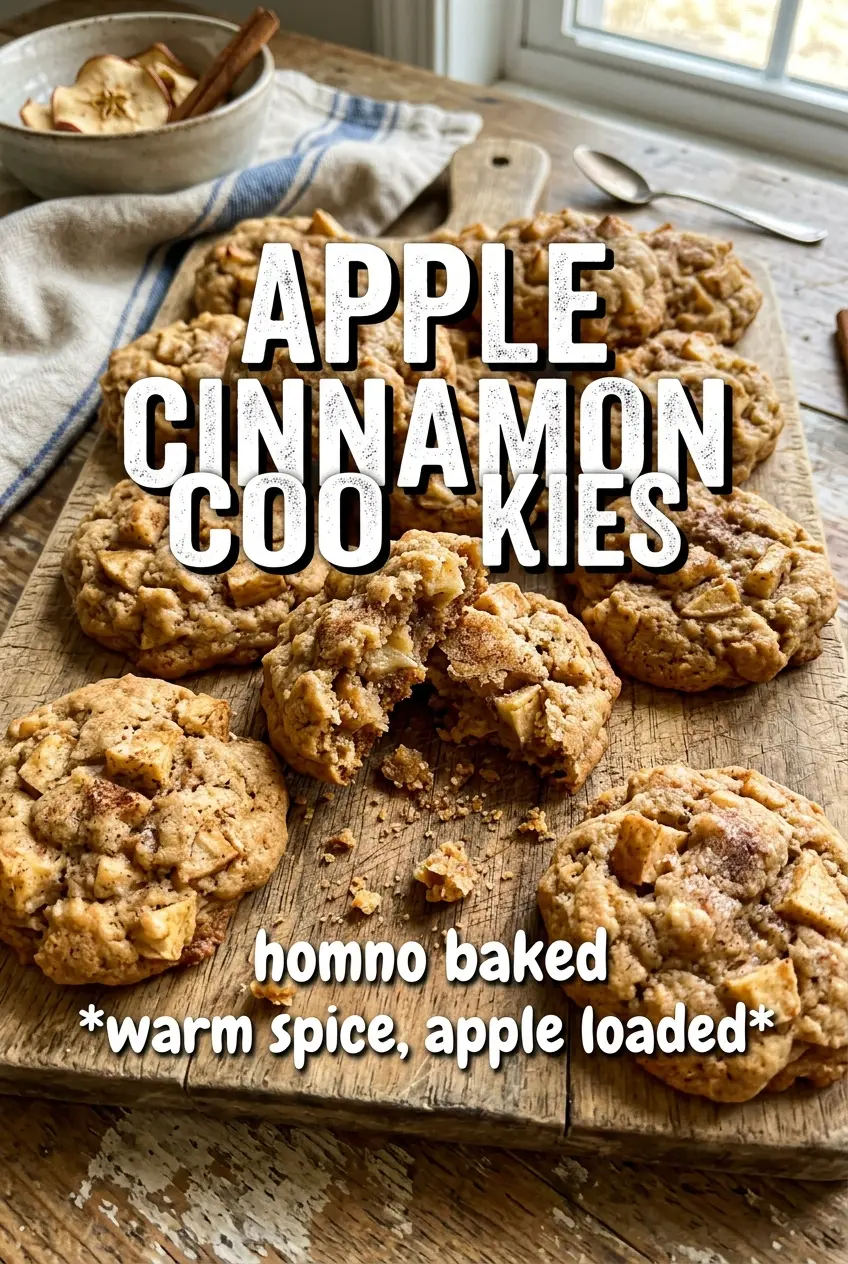
Apple Cinnamon Cookies
Ingredients
Equipment
Method
- Preheat oven to 350F and line baking sheets with parchment. This prevents sticking and supports even browning.
- Whisk all-purpose flour, baking soda, baking powder, cinnamon, nutmeg, and salt until evenly combined. Break up any spice clumps so the dough colors uniformly.
- Beat softened unsalted butter, granulated sugar, and brown sugar until fluffy. Scrape the bowl once to keep the mixture consistent.
- Add eggs and vanilla extract, then beat until smooth. The mixture should look lighter and thickened.
- Beat in applesauce until incorporated. The batter will be glossy and cohesive.
- Fold in the flour mixture until no dry streaks remain, then fold in diced apples. Stop mixing as soon as combined to keep cookies tender.
- Refrigerate the dough for 1 hour. Chill until the dough is sticky but scoopable.
- Scoop 1-1/2 tablespoon portions and roll the tops in cinnamon sugar. Coat only the top so the cookies rise and spread nicely.
- Bake for 10-12 minutes at 350F until edges just set. Centers may look slightly soft—let them finish firming as they cool.
- Cool the cookies completely on the pan. This prevents glaze from melting and helps the crumb set.
- Whisk powdered sugar, milk, and vanilla extract until smooth for a pourable vanilla glaze. Adjust texture with a tiny splash of milk if needed.
- Drizzle vanilla glaze over the cooled cookies. Let the glaze set briefly before storing.