Apple cider cake lands with the kind of soft, spiced crumb that makes people go back for a second slice before the first one is gone. The cider gives it a deeper apple flavor than plain applesauce cakes, and the brown sugar keeps the texture moist without making it heavy. With cream cheese frosting and a caramel drizzle, it tastes like the best part of an orchard bakery case, but it still slices cleanly and holds its shape.
The key is reducing the cider first. That step concentrates the flavor, so the cake tastes like cider instead of just generic spice cake with a little apple in the background. Creaming the butter and brown sugar until it’s genuinely fluffy also matters here, because that extra air gives the layers a lighter bite and helps the cake rise evenly.
Below, I’ll walk through the part that most often gets rushed: cooling the cider, folding the batter without overmixing, and frosting the layers once they’re fully set. Those details are what keep this cake tender, balanced, and easy to stack.
The reduced cider made the cake taste like real apples, not just spice, and the crumb stayed tender for days. I used the caramel drizzle on top and it set up just enough to look neat without soaking into the frosting.
Save this apple cider cake for the days when you want tall spiced layers, tangy cream cheese frosting, and that cider caramel finish.
The Part That Keeps Apple Cider Cake From Tasting Flat
Most cider cakes lean on cinnamon and brown sugar and stop there, which is why they can taste a little one-note. Reducing the cider changes that. It cooks off the sharp wateriness and leaves behind a stronger apple flavor that actually shows up after baking, even under frosting.
The other thing that matters is temperature. If the reduced cider goes in hot, it can soften the butter too early and throw off the batter’s structure. Cool it completely before adding it, then alternate the dry ingredients with the sour cream so the crumb stays even instead of dense at the bottom.
- Reduced apple cider — This is the ingredient that makes the cake taste like cider instead of just spice cake. Start with a full cup and simmer it until you have 1/2 cup, then cool it before mixing it in.
- Sour cream — It brings moisture and a gentle tang that keeps the cake from eating dry. Plain full-fat yogurt works in a pinch, but sour cream gives the cleanest, richest texture.
- Brown sugar — This adds moisture and a deeper molasses note that pairs beautifully with the cider. Light or dark brown sugar both work; dark brown sugar gives a little more depth.
- Cream cheese frosting — The tang is important here because it balances the spice and sweetness. Use block-style cream cheese, not tub cream cheese, or the frosting can turn loose.
- Caramel drizzle — This is the finish that makes the cake feel complete. Use a thick caramel sauce so it sits on top of the frosting instead of running straight down the sides.
What Each Ingredient Is Actually Doing in This Recipe
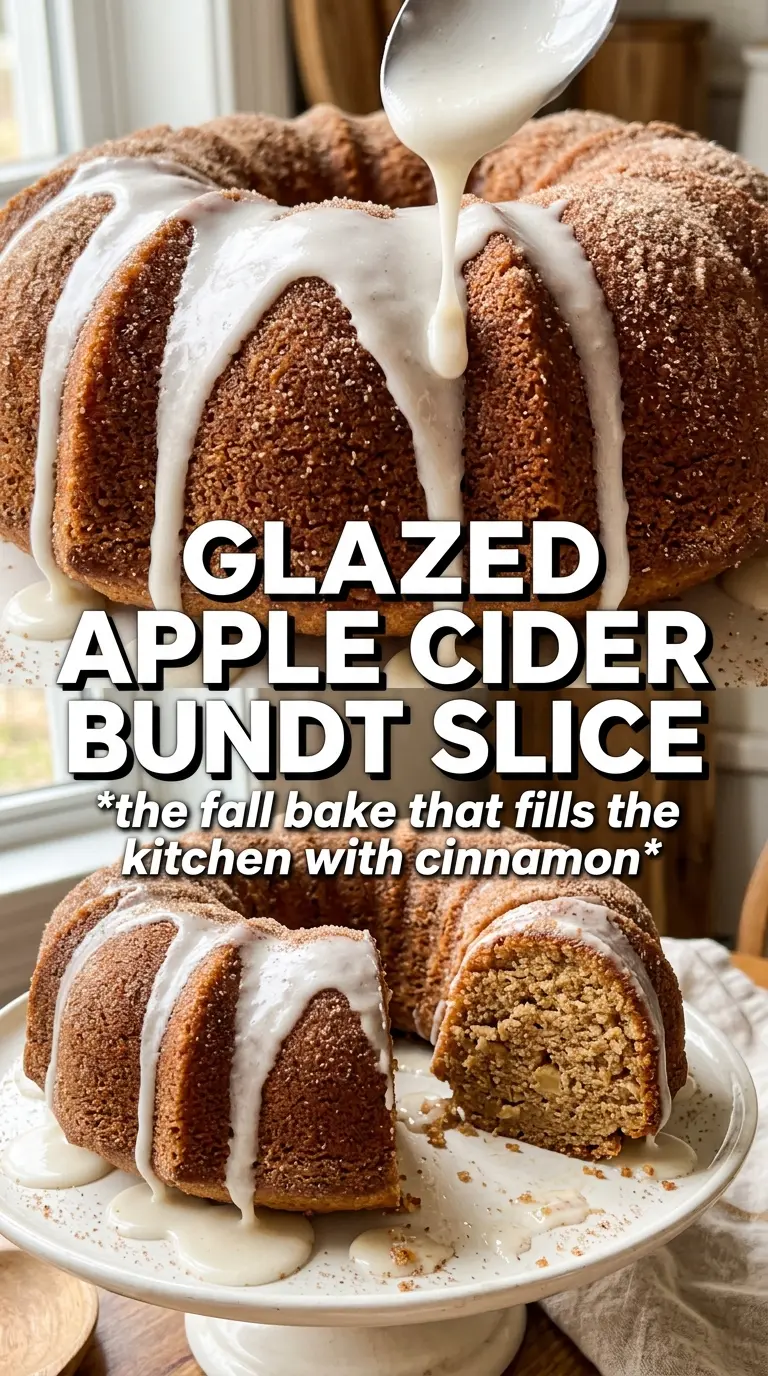
- Primary ingredient (the star) — Quality matters most. Choose the best you can find.
- Cooking medium (oil, butter, or broth) — This carries flavors and prevents dryness.
- Seasonings (salt, pepper, spices, herbs) — Layer flavors so nothing overpowers. Build depth gradually.
- Aromatics (garlic, onion, herbs) — Cook with fat to bloom flavors. Become the foundation.
- Supporting ingredients — Complement the main ingredient without overpowering it.
- Sauce or liquid (if applicable) — Brings flavors together. Balance richness with acid.
- Acid (lemon, vinegar, wine, or other) — Brightens and prevents flat-tasting results.
- Final finish (garnish, glaze, or sauce) — Prevents one-dimensional taste and adds visual appeal.
How to Build the Layers So the Cake Stays Tender
Reducing the Cider First
Pour the apple cider into a small saucepan and simmer it until it measures 1/2 cup. You want the liquid to smell stronger and look a little darker, not turn into syrup. If you reduce it too far, the flavor gets harsh and the batter can end up too loose once you try to measure it back out with the other wet ingredients.
Creaming for Lift
Beat the softened butter and brown sugar until the mixture turns pale and fluffy. That step traps air, which helps the cake rise and keeps the layers from baking up heavy. If the butter is still cool and lumpy, keep beating; if it’s greasy and shiny, it’s too warm and the structure will suffer.
Folding the Batter Without Beating It Flat
Add the eggs one at a time, then the vanilla and cooled cider. When the flour mixture and sour cream go in, alternate them in additions and mix just until the streaks disappear. Overmixing after the flour goes in is the fastest way to get a tight, bready crumb instead of a soft cake.
Baking and Cooling Cleanly
Divide the batter evenly between two greased 9-inch pans and bake until the centers spring back and a tester comes out with a few moist crumbs, about 35 to 40 minutes. Let the cakes cool in the pans briefly, then turn them out and cool completely before frosting. If the layers are even a little warm, the frosting will slide and the caramel will melt into the sides.
Make It a Little More Spiced
Add an extra 1/4 teaspoon of cinnamon or a pinch more allspice if you want the cake to lean warmer and bolder. That change doesn’t affect the structure, but it does pull the cake farther toward classic spice-cake territory.
Dairy-Free Version
Swap the butter for a good vegan baking stick, use a thick dairy-free yogurt instead of sour cream, and frost with a dairy-free cream cheese alternative. The cake still bakes up soft, but the frosting will be a little less tangy and a touch softer.
Cupcakes Instead of a Layer Cake
Portion the batter into lined muffin tins and bake until the tops spring back, usually 18 to 22 minutes. You’ll get a shorter bake and less drama with frosting, but you lose the tall stacked look that makes this cake feel special.
Storage and Reheating
- Refrigerator: Store covered for up to 5 days. The frosting firms up a bit in the fridge, but the cake stays moist.
- Freezer: Freeze unfrosted layers tightly wrapped for up to 2 months. Frosting and caramel are best made fresh, because the texture softens after thawing.
- Reheating: Let slices sit at room temperature for 20 to 30 minutes before serving. If you want a warm slice, use short 10-second bursts in the microwave; too much heat will melt the frosting and make the caramel run.
Questions I Get Asked About This Recipe
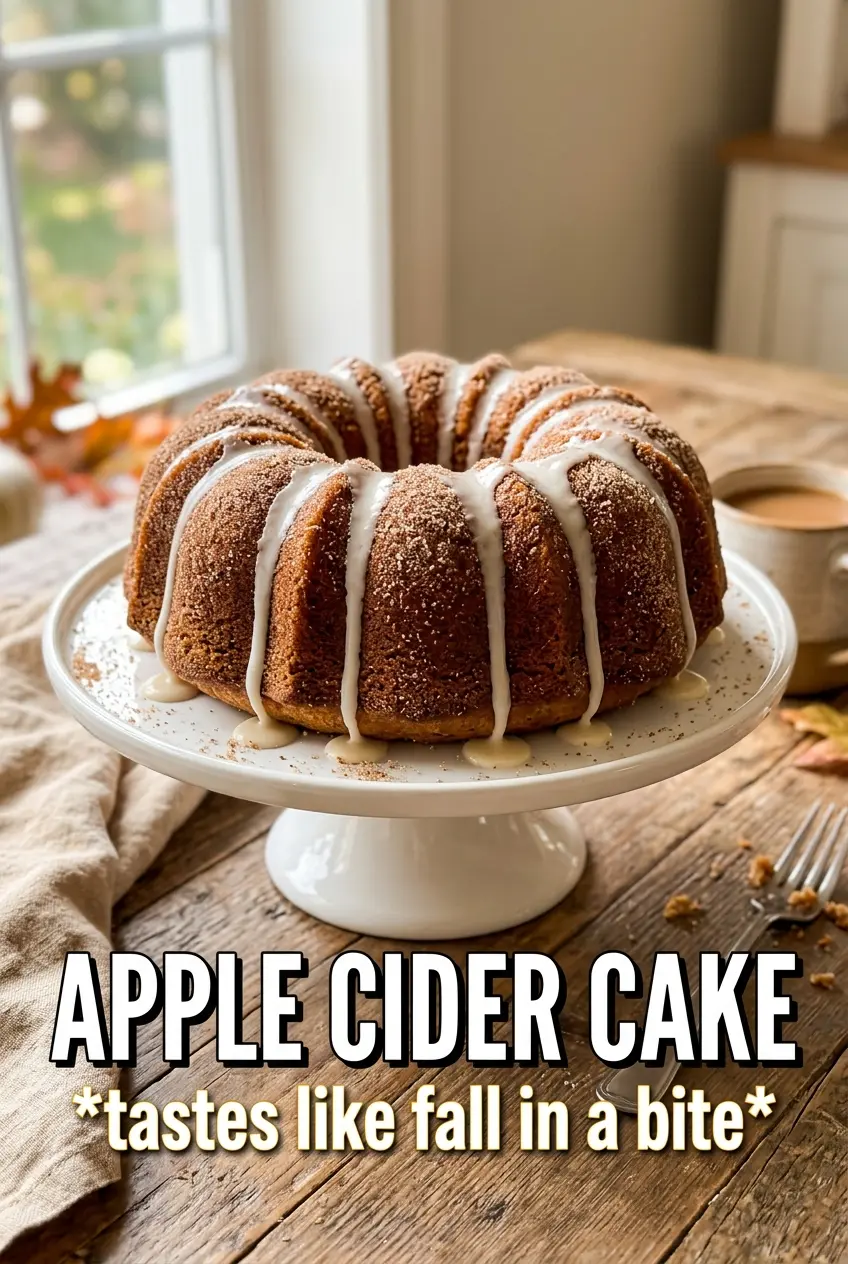
Apple Cider Cake
Ingredients
Equipment
Method
- Reduce apple cider to 1/2 cup, then cool it completely so it won’t melt the batter. Preheat the oven to 350F and grease two 9-inch pans.
- Whisk together the all-purpose flour, baking powder, baking soda, cinnamon, nutmeg, allspice, and salt until evenly combined.
- Beat the softened unsalted butter and packed brown sugar until very fluffy, then beat in the eggs and vanilla until smooth.
- Add the reduced apple cider and mix just until incorporated for a fragrant, spiced batter.
- Alternate adding the dry ingredients and sour cream to the batter, starting and ending with the flour mixture.
- Divide the batter evenly between the two prepared 9-inch pans and smooth the tops.
- Bake for 35-40 minutes at 350F, until the centers are set and a toothpick comes out with a few moist crumbs.
- Cool the cakes completely in the pans before frosting so the layers stack cleanly.
- Beat the cream cheese frosting ingredients until fluffy, starting with cream cheese and butter, then mixing in powdered sugar, vanilla, and 2 tablespoons cider.
- Frost and stack the cooled cake layers using a thick, even layer between them.
- Drizzle caramel down the sides and over the top so it cascades over the frosting.