Tender chicken, crisp vegetables, and a glossy soy-ginger sauce make this Chinese chicken stir fry the kind of dinner that disappears fast. The chicken stays juicy because it gets a light cornstarch coating before it hits the wok, and the sauce clings instead of pooling at the bottom of the pan. That’s the difference between a stir fry that tastes coordinated and one that tastes like separate ingredients tossed together at the end.
High heat matters here, but so does order. The chicken goes in first so it can pick up color without overcooking the vegetables, and the garlic and ginger only need a few seconds once the pan is hot enough to wake them up. The sauce gets whisked before anything hits the burner, which keeps the cornstarch from turning lumpy when it thickens.
Below you’ll find the exact cooking rhythm that keeps the vegetables bright and the chicken tender, plus the swaps I use when I need to work with what’s already in the fridge.
The sauce thickened up fast and coated every piece of chicken without turning gluey. I loved that the broccoli stayed bright and the peppers still had a little crunch.
Save this Chinese Chicken Stir Fry for a glossy, takeout-style dinner with crisp vegetables and tender chicken in under 30 minutes.
The Trick to Stir Frying Chicken Without Steaming It
The biggest mistake with stir fry is crowding the pan or starting with heat that’s too low. Chicken needs direct contact with a hot surface so the outside can brown before the juices run out and puddle around it. If the pan isn’t hot enough, the chicken turns pale and rubbery instead of picking up that light golden edge you want.
The cornstarch on the chicken does two jobs. It protects the meat a little, and it helps the sauce grab on later. That thin coating is what gives the finished dish that restaurant-style sheen without needing a heavy sauce.
- Chicken breasts — Thin slicing matters more than the cut itself here. Even pieces cook at the same rate, which keeps the finished stir fry tender instead of giving you a mix of dry and underdone bits. Chicken thighs work too, but they bring a richer, slightly fattier result.
- Cornstarch — This is doing more than thickening the sauce. It gives the chicken a soft protective layer and helps the sauce cling. Arrowroot can stand in, but the coating won’t feel quite as silky.
- Broccoli, peppers, and carrot — These vegetables hold up well to high heat and keep their shape. Broccoli florets should be cut small enough to cook through quickly, or you’ll end up with raw stems and overcooked chicken.
- Oyster sauce and hoisin — These are the backbone of the sauce’s depth and slight sweetness. If you skip them, the stir fry tastes flatter. A good swap for oyster sauce is extra soy sauce plus a little more brown sugar, but the result will be less rounded.
What Each Ingredient Is Actually Doing in This Chicken Dish
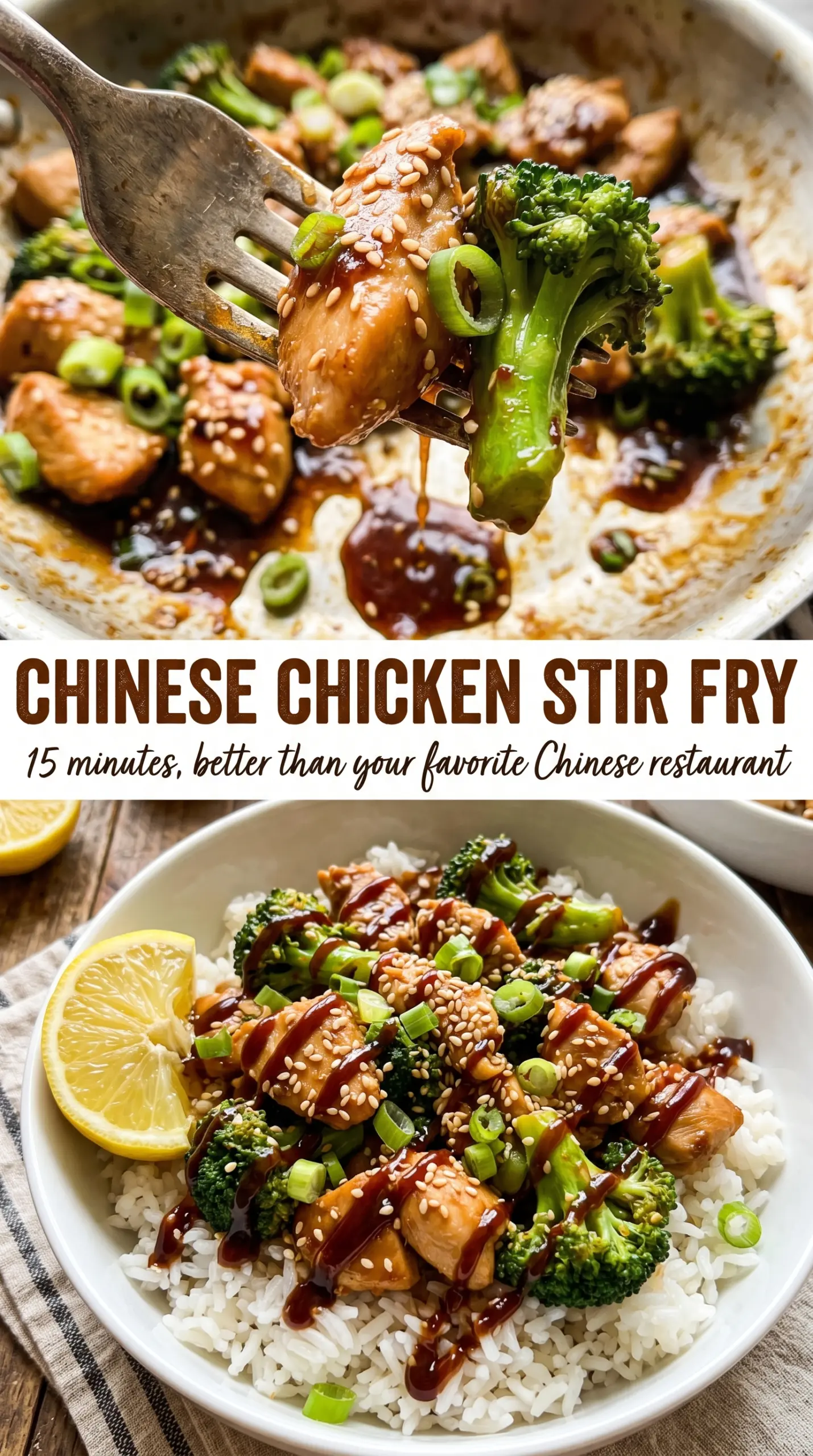
- Chicken (cut into uniform pieces) — Even-sized pieces cook at the same rate. Slice against the grain so each piece stays tender.
- Aromatics (garlic, ginger, onion) — Cook these first with oil to bloom the flavors. They become the foundation of the dish, not separate elements.
- Vegetables (variety, cut by size) — Add in order of cooking time so everything finishes together. Hard vegetables first, softer ones near the end.
- Sauce (soy-based, peanut, or cream) — This coats everything and brings flavors together. The right sauce-to-ingredient ratio matters.
- Oil (for high-heat cooking) — High-heat oil helps vegetables and chicken brown quickly. Don’t skimp or everything steams instead of searing.
- Acid (vinegar, lime, or citrus juice) — This brightens the dish and prevents it from tasting heavy. Add near the end to preserve freshness.
- Spices or heat (chili, ginger, hot sauce) — These add complexity and depth. Layer them so no single flavor overwhelms the others.
- High heat and quick cooking (the technique) — Fast cooking keeps chicken tender and vegetables crisp. Don’t overcook or the chicken becomes dry.
The 15 Minutes That Matter in This Wok
Coating the Chicken First
Toss the sliced chicken with cornstarch, salt, and white pepper until every piece looks lightly dusted. You’re not breading it; you’re just giving the surface enough starch to help the chicken brown and the sauce thicken later. If the chicken sits for a few minutes, that’s fine. The coating will hydrate slightly and stick even better.
Building the Sauce Before the Pan Heats Up
Whisk the soy sauce, oyster sauce, hoisin, brown sugar, sesame oil, cornstarch, and chicken broth together until the mixture looks smooth and glossy. Once the wok is hot, there’s no time to stop and break up lumps. If the cornstarch settles while it waits, whisk it again right before you pour.
Getting Color on the Chicken
Heat the oil until it shimmers and just starts to smoke, then add the chicken in a single layer. Let it sit long enough to pick up color before you stir it around. If the pan is too full, the chicken steams in its own moisture, so work in batches if you need to. Pull it out as soon as it’s cooked through; it will finish later in the sauce.
Stir-Frying the Vegetables
Add the peppers, broccoli, and carrot to the hot pan and keep them moving. You want bright color and a tender-crisp bite, not soft vegetables that collapse when you stir. Garlic and ginger go in near the end because they burn fast. Thirty seconds is usually enough to smell them bloom without letting them turn bitter.
Finishing the Sauce
Pour the sauce into the pan and stir constantly as it thickens. It should go from thin to glossy in about a minute or two, enough to coat a spoon and cling to the vegetables. Return the chicken and toss everything until the sauce looks even and the pan has that lacquered finish that tells you it’s ready.
How to Adapt This Chinese Chicken Stir Fry Without Losing the Texture
Swap the Chicken for Thighs
Boneless skinless chicken thighs give you a juicier, richer stir fry with a little more forgiveness if the pan runs hot. Slice them thin and cook them the same way. The sauce still works exactly as written, but the finished dish will taste a touch deeper and less lean.
Make It Gluten-Free
Use tamari or a certified gluten-free soy sauce, and check that your oyster sauce and hoisin are labeled gluten-free as well. The texture stays the same, and you won’t lose the glossy finish. If the substitute sauces are saltier, taste the finished stir fry before adding any extra seasoning.
Turn It Into a Vegetarian Stir Fry
Swap the chicken for extra-firm tofu or sliced mushrooms. Tofu needs to be pressed and lightly seared first so it doesn’t fall apart in the sauce, while mushrooms should be cooked until their liquid evaporates and they take on a browned edge. You’ll lose the chicken’s chew, but the sauce still carries the dish.
Storage and Reheating
- Refrigerator: Store leftovers in an airtight container for up to 4 days. The vegetables soften a little, but the flavor holds.
- Freezer: It freezes well for about 2 months, though the peppers and broccoli will lose some of their crispness. Freeze in portions and thaw overnight in the fridge.
- Reheating: Reheat in a skillet over medium heat with a splash of water or broth. The common mistake is blasting it in the microwave until the chicken tightens and the sauce turns greasy.
Answers to the Questions Worth Asking
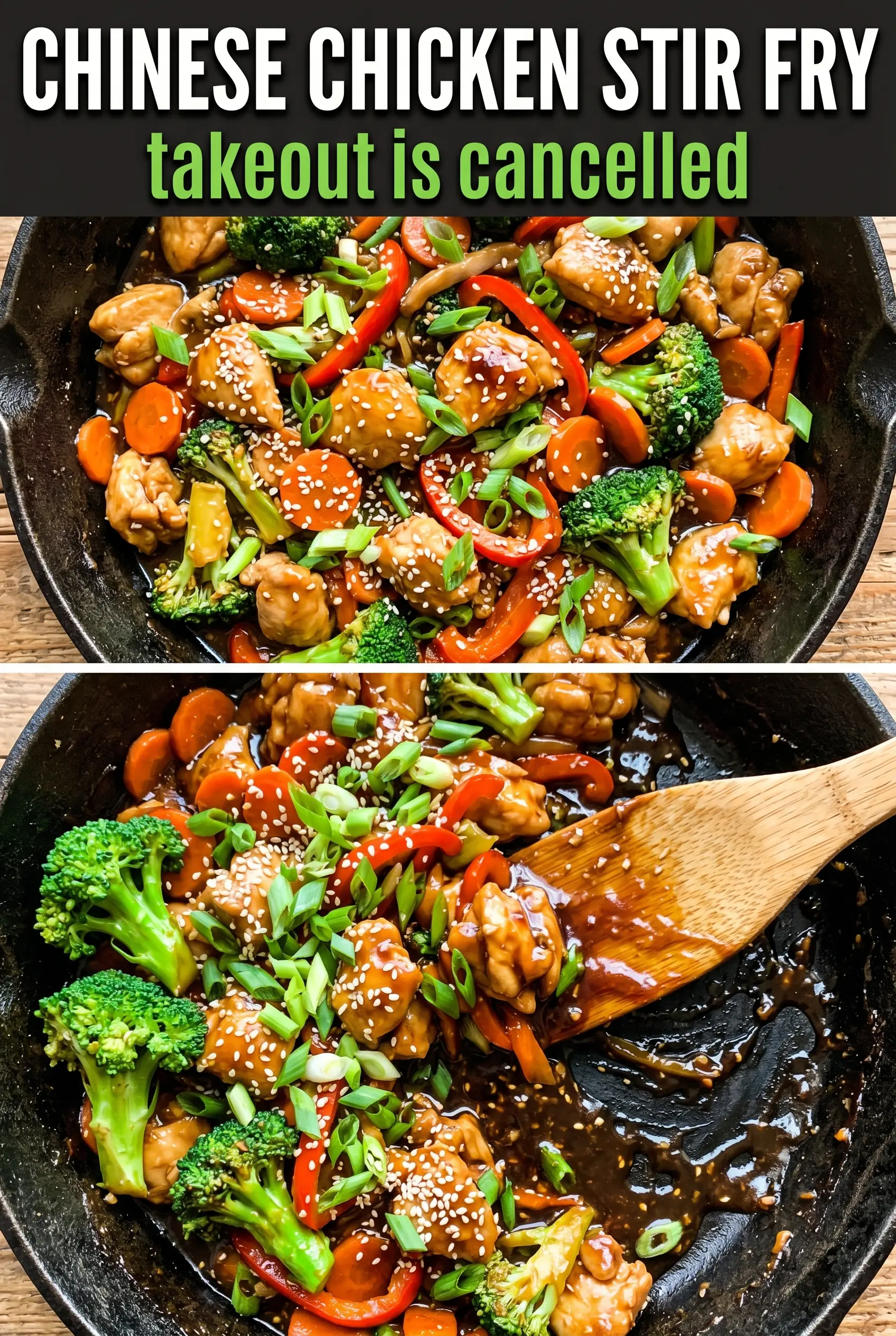
Chinese Chicken Stir Fry
Ingredients
Equipment
Method
- Toss the thinly sliced chicken with cornstarch, salt, and white pepper until evenly coated and lightly dusted.
- Whisk together soy sauce, oyster sauce, hoisin sauce, brown sugar, sesame oil, cornstarch, and chicken broth until smooth.
- Heat vegetable oil in a wok or large skillet over high heat until smoking.
- Add the chicken in a single layer and cook for 4-5 minutes, stirring as needed, until golden and cooked through; remove to a plate.
- Stir-fry the bell peppers, broccoli, and carrot for 3-4 minutes until bright and just tender-crisp.
- Add the minced garlic and grated ginger and stir-fry for 30 seconds until fragrant, keeping everything glossy and lively.
- Pour in the stir fry sauce and stir for 1-2 minutes until thickened and glossy, coating the vegetables.
- Return the chicken to the pan and toss to coat until everything is evenly glazed and steaming hot.
- Serve the stir fry over white rice and top with sesame seeds and green onions.