Glossy chicken and broccoli is one of those weeknight dinners that earns repeat status fast, because the sauce clings to every bite instead of pooling in the pan, and the broccoli stays bright with just enough crunch. When it’s done right, you get tender chicken, crisp-tender florets, and that dark amber takeout-style glaze that tastes like it took a lot more effort than it did.
The trick is in the sequence. A light dusting of cornstarch on the chicken helps it brown and gives the sauce something to grab onto. The broccoli goes in after the chicken comes out, so it stir-fries in the hot oil instead of steaming under the meat. That keeps the vegetables fresh-tasting and gives the finished dish a cleaner texture.
Below, I’ll show you the little timing details that keep the sauce smooth, plus a few easy swaps if you need to stretch it, lighten it up, or work with what’s already in the kitchen.
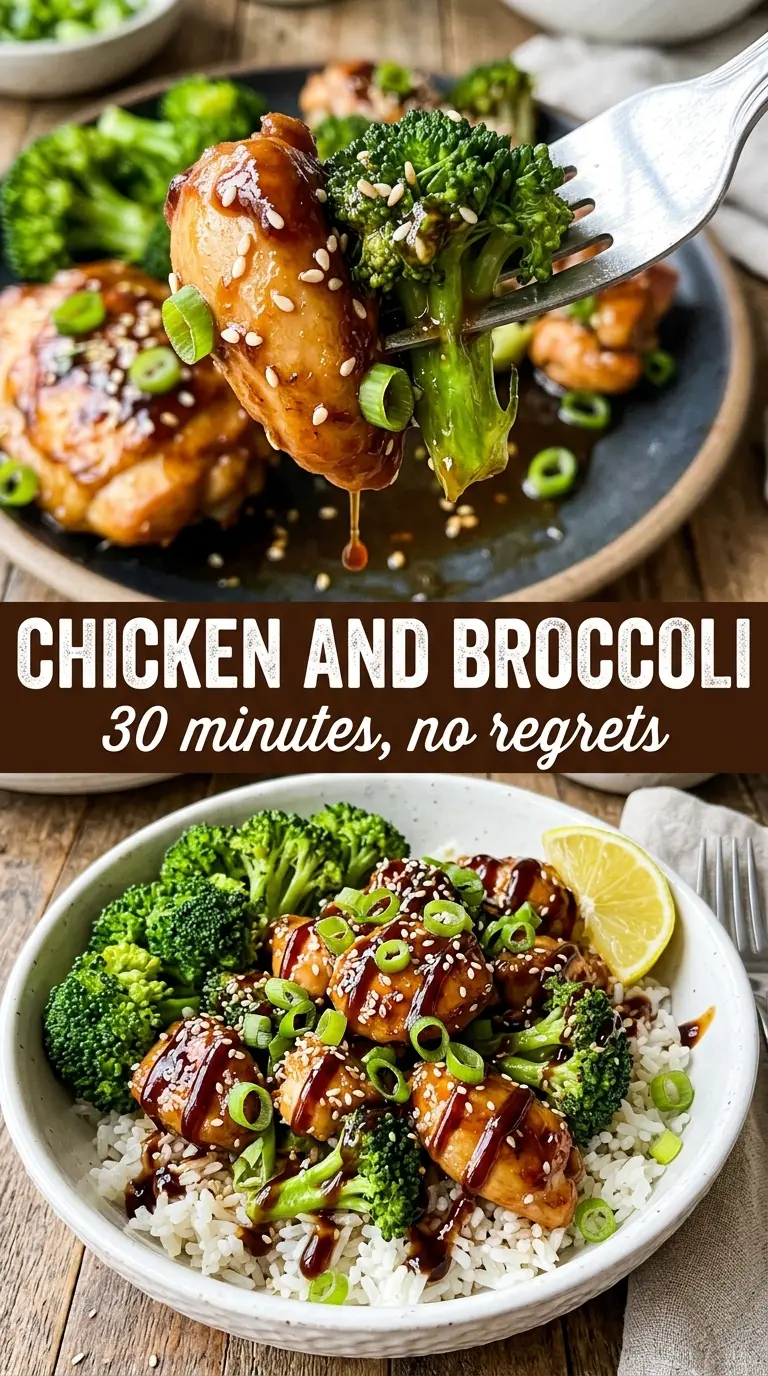
The cornstarch on the chicken made the sauce stick beautifully, and the broccoli stayed crisp instead of getting soggy. My husband asked if I wrote down the sauce because it tasted just like our favorite takeout spot.
Save this chicken and broccoli stir fry for nights when you want glossy takeout-style sauce and dinner on the table in 30 minutes.
The Cornstarch Coating That Keeps the Sauce Glued On
Most chicken and broccoli recipes fall apart in one of two places: the chicken goes dry, or the sauce turns thin and slips off everything in the pan. This version avoids both by giving the chicken a very light cornstarch coating before it hits the heat. That coating does two jobs at once. It helps the chicken brown faster, and it leaves just enough starch behind to thicken the sauce when everything comes together.
The other piece that matters is heat control. High heat is good for the sear, but the sauce should only cook until it turns glossy and lightly thickened. If it boils hard for too long, the cornstarch can go past its sweet spot and turn gluey. Pull the pan back to a steady simmer once the sauce goes in, and you’ll get that smooth, shiny finish instead of something cloudy or gummy.
- Chicken breasts — Bite-sized pieces cook fast and stay tender as long as you don’t crowd the pan. Thighs work too if you want a little more richness.
- Cornstarch — This is what gives the chicken its light crust and helps the sauce cling. Flour won’t give you the same glossy finish.
- Broccoli florets — Fresh florets hold their shape best here. Frozen broccoli can work in a pinch, but thaw and dry it first or the pan will steam instead of stir-fry.
- Oyster sauce and hoisin — Together they build that deep, takeout-style sweetness and savoriness. If you skip one, the sauce loses some depth, but the dish still works.
- Sesame oil — Use it at the end of the sauce, not the beginning. It’s there for aroma, not cooking fat.
What Each Ingredient Is Actually Doing in This Recipe
- Primary ingredient (the star) — This carries the main flavor and defines the dish. Quality matters here.
- Base sauce or cooking medium (the carrier) — This brings all flavors together and keeps the dish from being dry.
- Aromatics (onion, garlic, ginger) — These add depth and complexity. They mellow and become sweet when cooked.
- Seasonings (salt, spices, herbs) — These define the personality and prevent the dish from tasting one-dimensional.
- Vegetables (nutrition and texture) — These add freshness and color. Cut to size so they cook evenly.
- Acid (lemon, vinegar, tomato, wine) — This brightens the dish and prevents it from tasting heavy or flat.
- Fat (oil, butter, cream) — This carries flavors and creates a satisfying mouthfeel. Don’t skip it.
- Proper technique (heat, time, temperature) — The right method turns good ingredients into great food. Follow the instructions carefully.
Building the Stir Fry in the Right Order
Coating the Chicken
Toss the chicken with salt, pepper, and cornstarch until every piece looks lightly dusted, not pasty. That thin layer should disappear into the surface, not sit in clumps. If it’s too wet, the chicken will steam before it browns, so give it a minute after tossing if the pieces look damp. The goal is a dry-ish surface that can pick up color fast.
Browning Before the Vegetables
Heat the oil until it shimmers, then add the chicken in a single layer. Let it sit long enough to get golden on the first side before stirring. If you keep moving it too soon, you’ll lose the sear and end up with pale chicken. Cook until just done, then pull it out so it doesn’t overcook while the broccoli goes in.
Keeping the Broccoli Crisp-Tender
Add the broccoli to the hot pan and stir-fry until it turns bright green and the edges pick up a little char. You want it tender enough to bite through, but still firm in the center. If the pan looks dry, the broccoli may need a tiny splash of water to keep from scorching. Don’t cook it until soft here; it will finish in the sauce.
Finishing with the Sauce
Add the garlic and ginger only for the last 30 seconds so they bloom without burning. Then pour in the whisked sauce and stir constantly as it bubbles and thickens. You’ll know it’s ready when it turns shiny and starts to coat the spoon instead of running off like broth. Return the chicken, toss everything together, and serve right away over rice while the glaze is still slick.
How to Adapt This Chicken and Broccoli Without Losing the Sauce
Make it gluten-free
Use tamari or a certified gluten-free soy sauce, and check that your hoisin and oyster sauce are gluten-free as well. The texture stays the same, but the flavor depends on choosing sauces with enough body, since some gluten-free versions taste thinner and saltier.
Swap in chicken thighs for a richer result
Boneless skinless thighs bring a little more juiciness and stand up well to high heat. Cut them into the same size pieces and cook until the centers are no longer pink, but don’t expect them to brown quite as fast as breasts because of the higher fat content.
Use frozen broccoli when that’s what you have
Frozen broccoli works if you thaw it first and pat it dry. If you add it straight from the freezer, the extra water will thin the sauce and stop the vegetables from picking up any color in the pan.
Make it lighter on sugar
Cut the brown sugar in half if you want a less sweet sauce. The glaze will still thicken, but the flavor shifts from takeout-style sweet-savory to something a little sharper and more soy-forward.
Storage and Reheating
- Refrigerator: Store leftovers in an airtight container for up to 4 days. The broccoli softens a bit, but the sauce keeps the chicken from drying out.
- Freezer: It freezes fairly well for up to 2 months, though the broccoli will lose some crunch. Freeze in portions and thaw overnight before reheating.
- Reheating: Warm it in a skillet over medium-low heat with a splash of water or broth. Microwaving works, but it can overcook the chicken fast, so use short bursts and stir between each one.
Questions I Get Asked About This Recipe
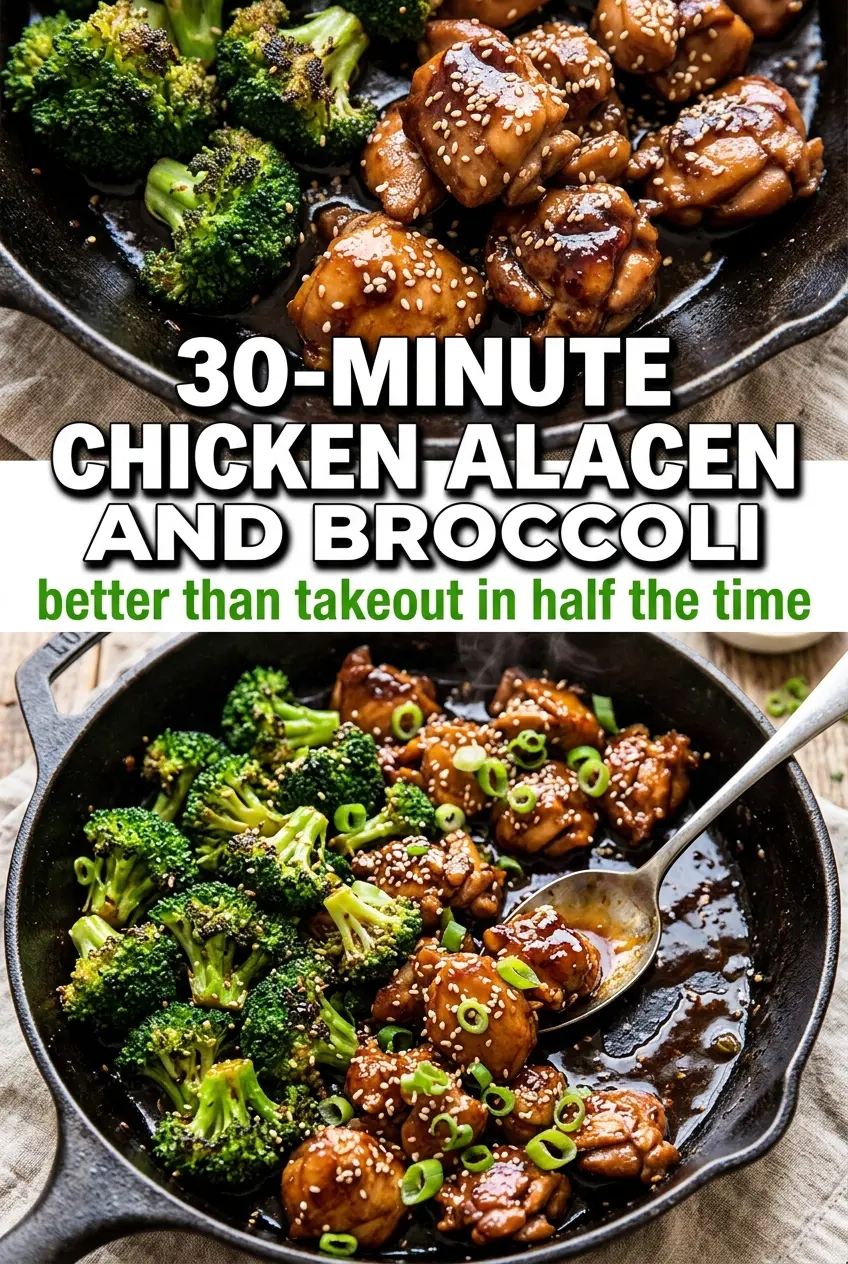
30-Minute Chicken and Broccoli
Ingredients
Equipment
Method
- Toss the chicken pieces with salt, pepper, and cornstarch until evenly coated, with no dry spots. Visual cue: the chicken should look lightly dusted and slightly matte before cooking.
- Heat 1 tablespoon vegetable oil in a large wok or skillet over high heat until shimmering, then cook the chicken for 5-6 minutes until golden and cooked through, stirring occasionally. Visual cue: browned edges and juices running clear when a piece is cut.
- Remove the chicken to a plate and let it rest briefly while you cook the broccoli. Visual cue: keep any browned bits in the pan for flavor.
- Add the remaining vegetable oil, then stir-fry the broccoli for 3-4 minutes until bright green and just tender-crisp. Visual cue: florets stay vivid green with slight char and firmness.
- Add the garlic and ginger and stir-fry for 30 seconds until fragrant. Visual cue: aromatic smell without browning, and the garlic should look lightly glossy.
- Whisk together the sauce ingredients, pour into the pan, and cook for 1-2 minutes until thickened. Visual cue: sauce turns glossy and coats the back of a spoon.
- Return the chicken to the pan and toss to coat in the thickened soy-garlic sauce. Visual cue: each bite looks glazed in dark amber sauce.
- Serve the chicken and broccoli over rice, then top with sesame seeds and green onions. Visual cue: scattered green and pale seeds contrast against the shiny brown sauce.