These pumpkin cinnamon rolls bake up plush and tender, with a soft orange crumb that pulls apart in thick, buttery layers. The filling melts into the dough as it rises, so every swirl ends up packed with cinnamon, brown sugar, and just enough pumpkin spice to taste warm without going heavy. The coffee maple frosting takes the whole pan in a smarter direction than the usual cream cheese glaze, adding a little bitterness to balance the sweetness and a glossy finish that slides into every ridge.
The dough works because the pumpkin is used for flavor and moisture, but not so much that it turns dense. Active dry yeast gets a head start in warm milk, then the butter, pumpkin, and eggs enrich the dough before the flour goes in. That gives you a soft, supple dough that still rises well, which is the difference between fluffy rolls and squat ones that bake up tight in the pan.
Below, I’ve included the little details that matter most: how to keep the dough from getting too sticky, why the rolls should be cut cleanly instead of squashed with a dull knife, and how to drizzle the frosting so it melts into the spirals instead of sitting in a thick cap.
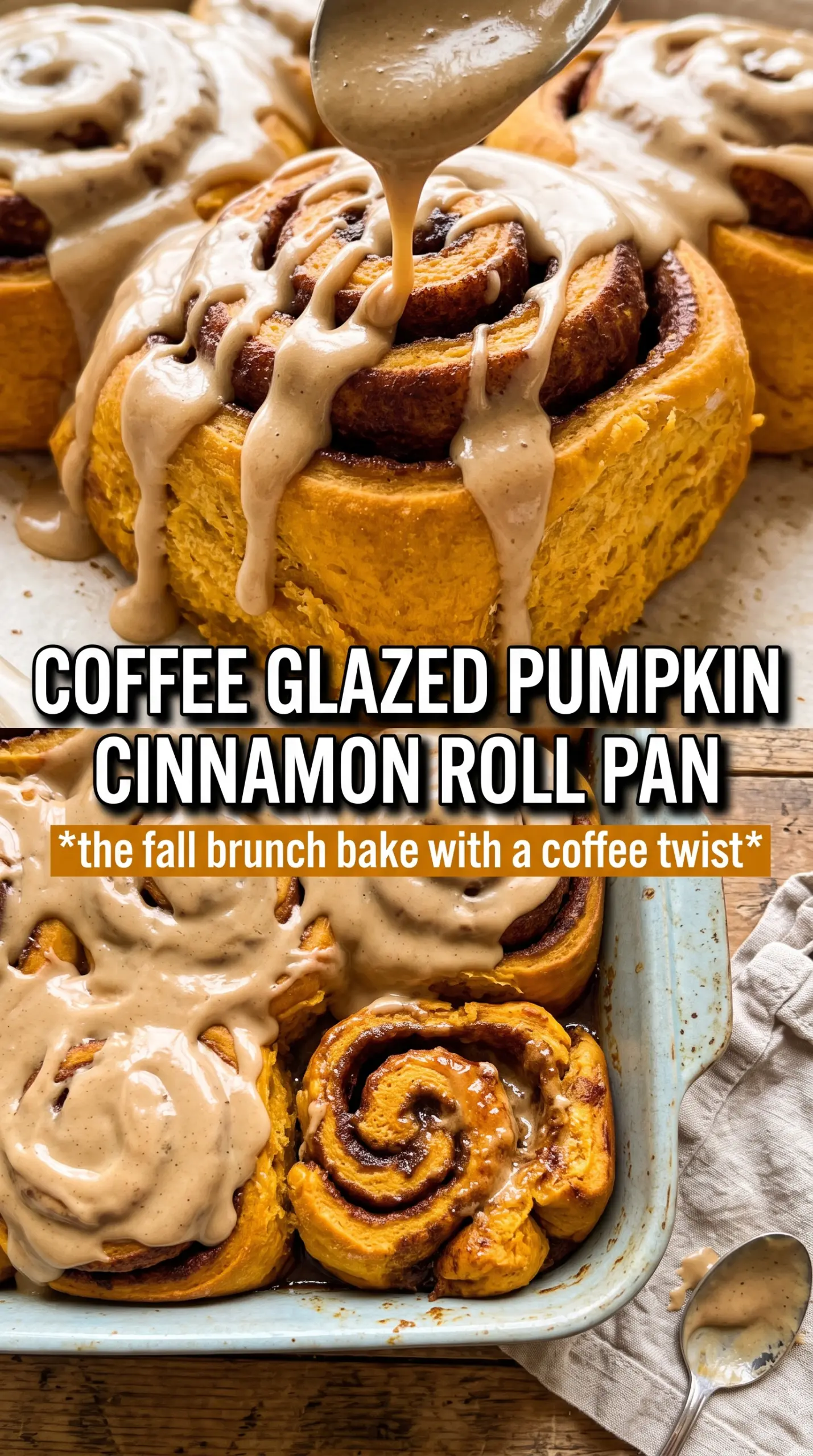
The rolls were soft all the way through, and the coffee maple frosting made the filling taste even richer without being overly sweet. Mine hit that perfect pillowy texture after the second rise.
Save these pumpkin cinnamon rolls with coffee maple frosting for the mornings when you want a soft, bakery-style pan of rolls with a frosting that actually cuts the sweetness.
The Step That Keeps Pumpkin Rolls Fluffy Instead of Heavy
Pumpkin dough behaves a little differently than a standard cinnamon roll dough. The puree brings moisture, but it also adds weight, so the real trick is giving the yeast enough warmth and time to build structure before the flour fully tightens everything up. If the milk is too hot, it can kill the yeast. If it’s too cool, the dough rises sluggishly and the rolls bake up compact.
The other place people go wrong is adding too much flour too soon. The dough should be soft and slightly tacky after kneading, not dry and stiff. That extra bit of stickiness is what lets the rolls rise into those pillowy layers instead of turning bready.
- Warm milk — It should feel warm, not hot, on your wrist. That’s the right range for waking up active dry yeast without knocking it out.
- Pumpkin puree — Canned puree is the easiest choice and works perfectly here. Just use puree, not pumpkin pie filling, which already has sugar and spices mixed in.
- Butter — Melted butter goes into the dough for tenderness, while softened butter in the filling gives you that spreadable paste that stays in the swirl instead of leaking out.
- Flour — Start with the listed amount, then stop as soon as the dough clears the bowl and feels elastic. Too much flour is the fastest way to lose softness.
What Each Ingredient Is Actually Doing in This Recipe
- Primary ingredient (the star) — Quality matters most. Choose the best you can find.
- Cooking medium (oil, butter, or broth) — This carries flavors and prevents dryness.
- Seasonings (salt, pepper, spices, herbs) — Layer flavors so nothing overpowers. Build depth gradually.
- Aromatics (garlic, onion, herbs) — Cook with fat to bloom flavors. Become the foundation.
- Supporting ingredients — Complement the main ingredient without overpowering it.
- Sauce or liquid (if applicable) — Brings flavors together. Balance richness with acid.
- Acid (lemon, vinegar, wine, or other) — Brightens and prevents flat-tasting results.
- Final finish (garnish, glaze, or sauce) — Prevents one-dimensional taste and adds visual appeal.
Building the Swirl So the Filling Stays Put
Waking Up the Yeast
Stir the sugar into the warm milk first, then sprinkle the yeast over the top and give it a few minutes to foam. You’re looking for a creamy, slightly bubbly surface, not a dramatic eruption. If nothing happens, the milk was probably too hot, too cold, or the yeast is old, and the dough won’t rise the way it should.
Mixing the Pumpkin Dough
Add the melted butter, pumpkin puree, egg, and yolk before the flour goes in. The dough will look loose at first, then come together as you knead. Keep kneading until it turns smooth and elastic, about 8 minutes by hand or with a dough hook, because under-kneaded dough tears when you roll it out later.
Rolling and Filling
Roll the dough into a tidy 12×18-inch rectangle with even thickness from corner to corner. Spread the softened butter edge to edge, then sprinkle the brown sugar mixture over the surface and press it lightly so it sticks. Roll tightly from the long side; if you roll loosely, the spirals separate and the filling melts out onto the pan.
Cutting and Final Rise
Use a sharp knife or unflavored dental floss to cut 12 even rolls without squashing the spiral. Set them in the pan with a little space between each one, then let them rise until they look puffy and the sides are touching or nearly touching. That second rise is what gives you that soft tear-apart center instead of a tight, doughy middle.
Baking and Frosting
Bake until the tops are set and lightly golden, with the centers cooked through but still soft when pressed. If they brown too fast, lay a sheet of foil loosely over the top for the last few minutes. Beat the frosting until smooth, then drizzle it over the rolls while they’re still warm so it melts into the swirls instead of sitting on top in a thick layer.
How to Adjust These Rolls Without Losing the Soft Crumb
Dairy-Free Version
Use unsweetened non-dairy milk, plant butter, and a dairy-free cream cheese for the frosting. The rolls will still rise well, but the frosting will be a touch softer and less tangy than the original.
Make-Ahead Overnight Rolls
After shaping the rolls, cover the pan and refrigerate overnight instead of doing the second rise at room temperature. In the morning, let them sit out until puffy before baking. This gives you fresh rolls without doing the full recipe on a tight schedule.
Extra-Spiced Filling
If you want a stronger spice finish, add a pinch more pumpkin pie spice to the filling, but don’t overload it. Too much spice can taste dusty after baking and overpower the maple frosting.
Storage and Reheating
- Refrigerator: Store covered for up to 4 days. The rolls stay soft, but the frosting firms up in the cold.
- Freezer: Freeze unfrosted rolls tightly wrapped for up to 2 months. Thaw overnight, warm, then frost fresh for the best texture.
- Reheating: Warm individual rolls in the microwave for 20 to 30 seconds or the whole pan, covered with foil, in a low oven. Reheat gently so the dough stays tender instead of drying out.
Questions I Get Asked About This Recipe
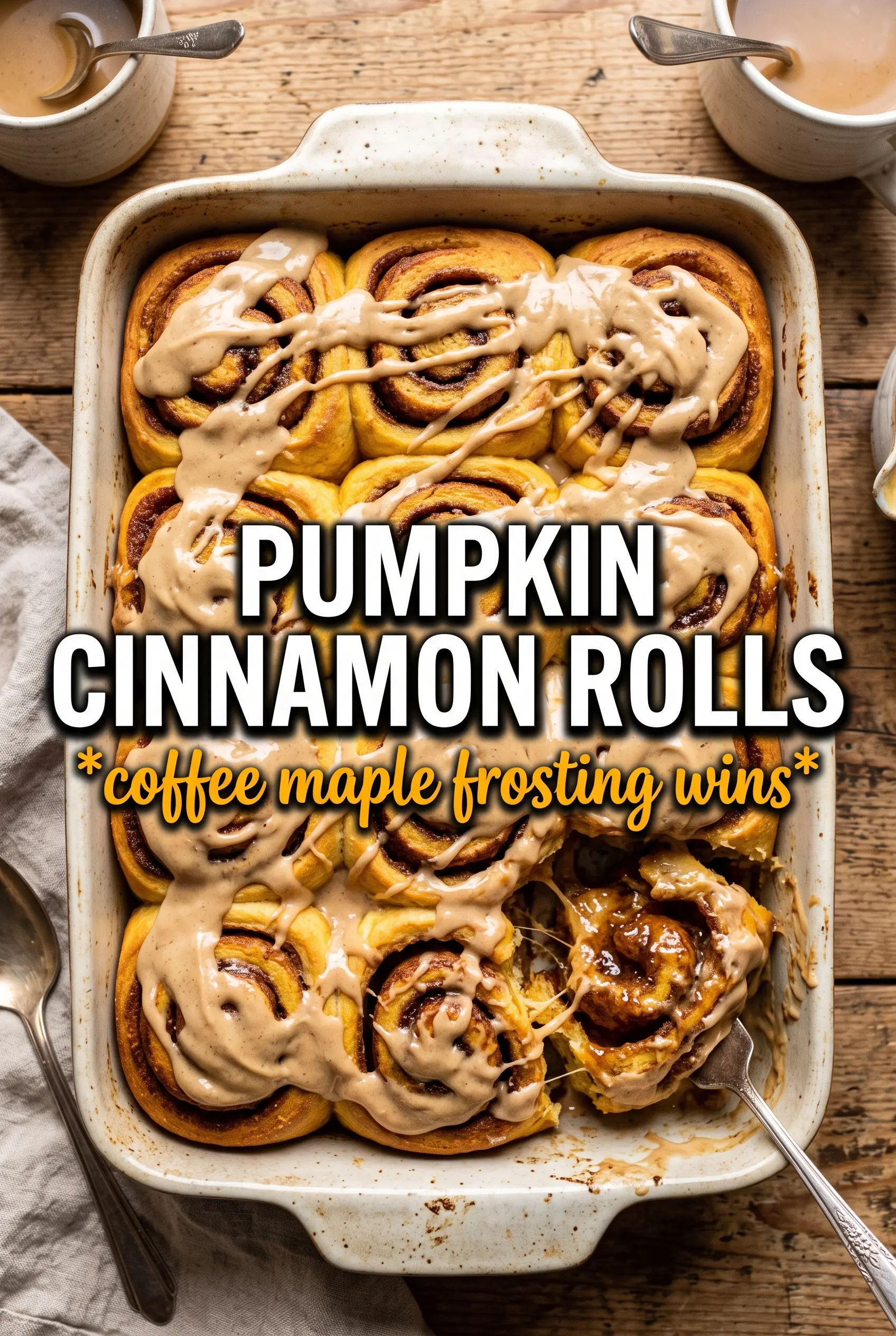
Pumpkin Cinnamon Rolls With Coffee Maple Frosting
Ingredients
Equipment
Method
- In a bowl, combine warm milk and active dry yeast, then stir in sugar, melted butter, pumpkin puree, and egg plus egg yolk until smooth and foamy begins to form.
- Add flour, pumpkin pie spice, and salt, then knead until smooth and elastic, about 8 minutes using a stand mixer.
- Cover the dough and let it rise until doubled in size, about 1 hour.
- Roll the dough into a 12x18 rectangle, spreading the softened filling evenly over the surface.
- Roll the dough tightly into a log, then cut into 12 rolls.
- Place the rolls on a sheet pan and cover, then let them rise until puffy, about 45 minutes.
- Bake at 375°F for 22-25 minutes, until the rolls are golden brown on top and the centers look set.
- Beat the frosting until smooth, then drizzle over the warm rolls while the tops are still warm and slightly tacky.