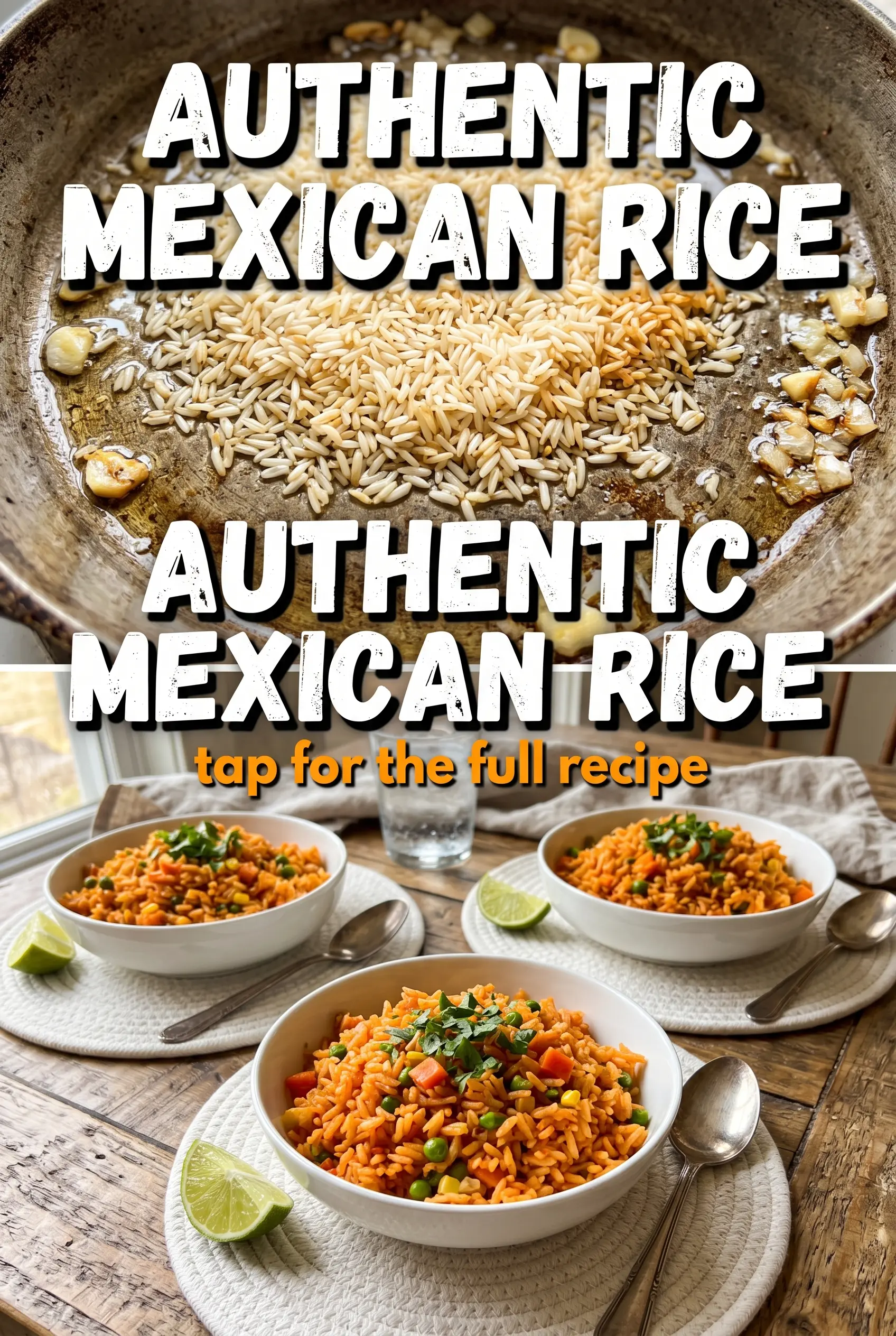
Fluffy, red, and packed with little bites of carrot and pea, authentic Mexican rice earns its place on the table because it tastes like the version you actually want to scoop next to everything else on your plate. The grains stay separate, the tomato base clings to each one, and the bottom never turns greasy or mushy when the rice is cooked with a little patience at the start. That first step matters more than any garnish.
The difference here is building flavor in layers instead of dumping everything in and hoping for the best. Toasting the rice in oil gives it a nutty edge and helps the grains stay intact, while cooking the tomato sauce briefly deepens its flavor and keeps the final dish from tasting flat. The broth, vegetables, and spices finish the job without overpowering the rice itself.
Below, you’ll find the small details that keep the rice fluffy instead of sticky, plus a few smart swaps for when you need to work with what’s in the pantry.
The rice came out fluffy and each grain stayed separate, even after sitting on the stove for the full rest time. Toasting it first made a huge difference, and the tomato flavor tasted rich instead of watery.
Save this authentic Mexican rice for taco night, because the toasted grains and tomato-rich finish make it the side dish everyone reaches for first.
Why Toasting the Rice First Keeps It Fluffy
The biggest mistake with Mexican rice is rushing the first few minutes. If the rice goes straight into liquid, the outside softens before the center has a chance to set, and the whole pan turns dense or sticky. Toasting it in oil first changes the structure of the grain and gives it a little protection before the broth goes in.
That toasted stage also adds flavor you can’t get back later. You’re looking for the rice to turn translucent in spots and pick up a pale golden color, not dark brown. If it looks chalky when the liquid goes in, keep cooking for another minute or two. That brief head start is what gives you separate grains instead of a pot of tomato-flavored porridge.
What the Tomato Sauce and Broth Are Doing Here
Tomato sauce gives the rice its signature color and a smooth, cooked tomato flavor that clings to every grain. Canned tomato sauce works better than raw chopped tomatoes here because it keeps the liquid ratio predictable and the texture even. If you use tomato purée instead, thin it slightly with a splash more broth so the rice doesn’t get too thick before it finishes cooking.
Chicken broth brings seasoning and depth that plain water can’t match. The cheap version is fine if it tastes clean, but if your broth is salty, hold back on extra salt until the rice is nearly done. Long-grain white rice matters too; it stays fluffy and distinct. Short-grain rice releases too much starch and changes the whole dish.
- Vegetable oil — Neutral oil lets the rice toast without adding a competing flavor. Use what you keep in the pantry.
- White onion and garlic — These are the base notes. Dice the onion small so it melts into the rice instead of staying crunchy.
- Carrots and peas — Frozen peas go in fine straight from the freezer. Dice the carrots small enough that they soften in the simmering time.
- Bay leaf and cumin — The bay leaf adds background depth; cumin gives the rice that familiar warm, savory edge. Don’t overdo cumin or it starts to taste muddy.
Building the Rice So It Cooks Evenly
Toasting the Grain
Warm the oil over medium heat, then add the rice and stir almost constantly. You want every grain coated and moving so it toasts evenly instead of scorching on the bottom. After 3 to 4 minutes, the rice should look glossy and slightly translucent with a few pale golden spots. If it turns deep brown, the heat is too high and the rice will taste bitter.
Cooking Out the Tomato
Add the onion and garlic and cook just until fragrant, then stir in the tomato sauce and let it cook for a minute or two. This step takes the raw edge off the sauce and deepens the color. If you skip it, the rice can taste flat and the tomato flavor stays sharp instead of rounded. The pan should smell rich and savory before you add the broth.
Low Heat, Covered, and Left Alone
Once the broth, vegetables, and seasonings go in, bring the pot to a boil, then drop the heat to low and cover it tightly. A steady simmer is what cooks the rice through without breaking the grains apart. If the lid is loose or the heat is too high, the liquid escapes too fast and the bottom scorches before the top is tender. Resist the urge to stir while it cooks.
The Rest That Finishes the Texture
When the timer ends, take the pan off the heat and leave it covered for 5 minutes. That resting time lets the steam finish the rice and evens out any moisture still trapped in the center. Fluff with a fork only after the rest, or you’ll crush the grains and make the rice gummy. Pull out the bay leaf before serving, then finish with cilantro.
How to Adapt This Rice When the Pantry Changes
Make It Vegetarian
Swap the chicken broth for vegetable broth in a 1:1 replacement. The rice will still taste savory, but the finished dish will be a little lighter and less deeply seasoned, so taste the liquid before you cover the pot and adjust the salt if needed.
Use Brown Rice Instead
Brown rice needs more liquid and a longer simmer, so this becomes a different dish with a nuttier bite. Keep the toasting step, then add extra broth and plan on a much longer covered cook time until the grains are tender. The tomato flavor still works, but the texture is heartier and less fluffy.
Skip the Peas if You Want a Cleaner Rice
Leave out the peas and carrots for a plainer side dish that still carries the tomato and cumin base. This works well when the rice is going next to saucy mains and you want the grains to stay the focus. If you remove the vegetables, don’t reduce the liquid unless you’re also cutting the tomato sauce.
Storage and Reheating
- Refrigerator: Store in an airtight container for up to 4 days. The grains firm up a bit when chilled, which is normal.
- Freezer: It freezes well for up to 2 months. Cool it completely first, then pack it flat so it thaws evenly.
- Reheating: Reheat covered with a splash of water or broth over low heat, or microwave it with a damp paper towel on top. The common mistake is blasting it dry and hard, which leaves the rice tough before the center warms through.
Questions I Get Asked About This Recipe
Authentic Mexican Rice
Ingredients
Equipment
Method
- Heat the vegetable oil in a large saucepan over medium heat, then add the long-grain white rice and stir constantly until it turns translucent and lightly toasted, about 3-4 minutes.
- Add the diced white onion and minced garlic, and cook until fragrant, about 1-2 minutes.
- Stir in the tomato sauce and cook, stirring, about 1-2 minutes to deepen the red color and aroma.
- Add the chicken broth, diced carrots, frozen peas, bay leaf, cumin, salt, and pepper to the saucepan.
- Bring the mixture to a boil, then reduce heat to low, cover, and simmer until the rice is tender, about 15 minutes, keeping the top covered and steady.
- Remove from heat and let the rice rest covered for 5 minutes to finish steaming.
- Fluff the rice with a fork and remove the bay leaf.
- Garnish with fresh cilantro right before serving.