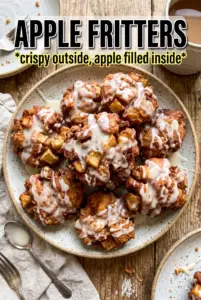
Roasted Brussels sprouts and butternut squash give this pasta the kind of depth that plain weeknight noodles usually miss. The squash turns soft and sweet at the edges, the sprouts pick up a little char, and the brown butter pulls everything together with a nutty finish that clings to every ridge of the rigatoni.
The key is treating the vegetables like two different ingredients, not one tray of mixed roastables. Brussels sprouts and butternut squash cook at different speeds, and if you roast them together one of them usually ends up either underdone or mushy. Browning the butter with garlic and sage adds a savory base without burying the vegetables, and a splash of pasta water helps the parmesan melt into a light sauce instead of seizing up.
Below, I’ll walk through the part that matters most: how to get real caramelization on the vegetables and keep the sauce glossy instead of greasy. There’s also a simple way to make this work with what you have on hand without losing the balance of sweet, salty, and nutty.
The squash got sweet and caramelized, the Brussels stayed crisp at the edges, and the brown butter sauce coated everything without getting heavy. I made it on a Tuesday and my husband asked for the leftovers the next night.
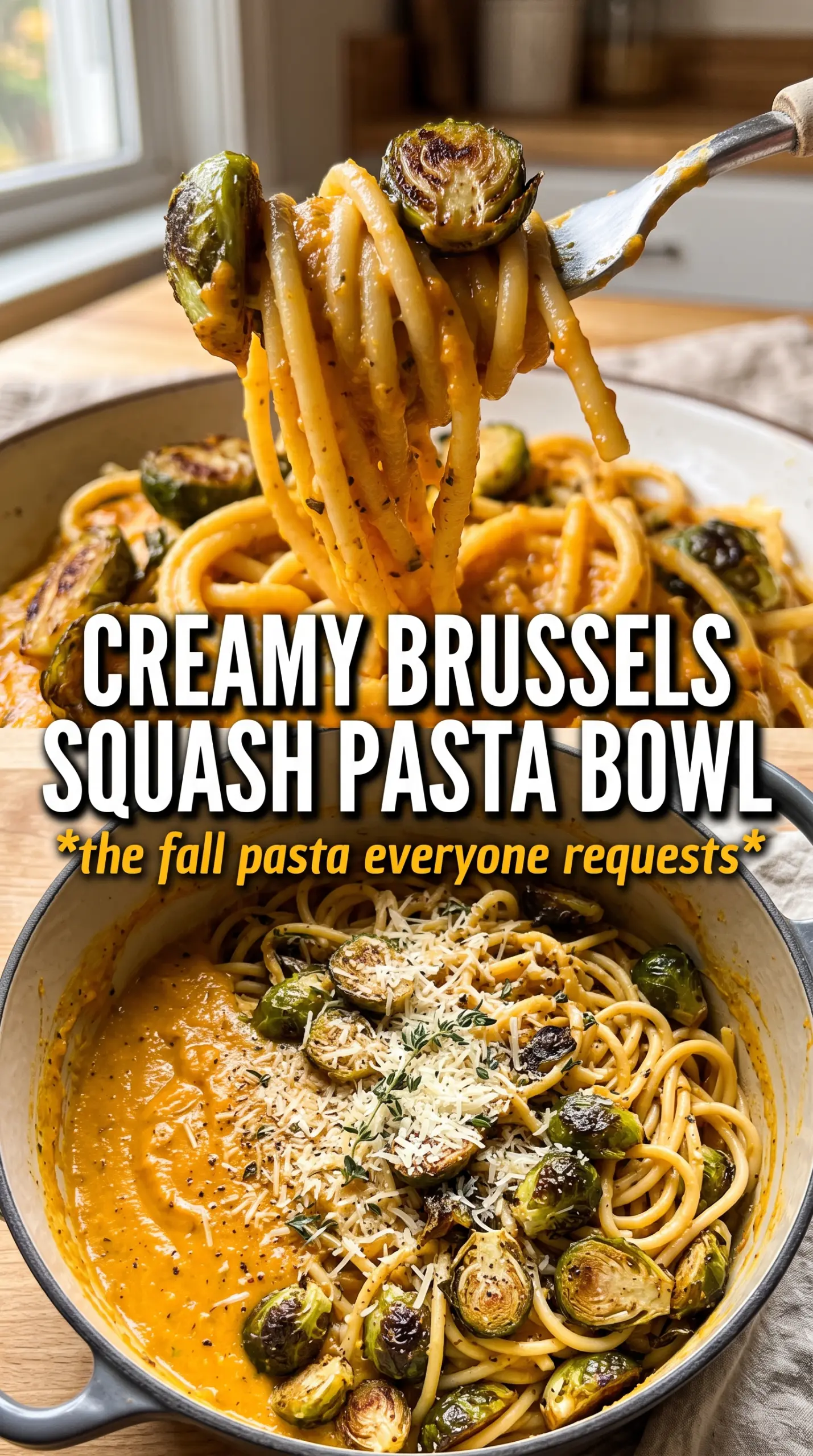
Save this Brussels sprouts and butternut squash pasta for a night when you want roasted vegetables, brown butter, and parmesan in one bowl.
The reason the vegetables have to roast separately
The biggest mistake in a pasta like this is throwing the squash and Brussels sprouts on the same tray and calling it done. Butternut squash gives off a little moisture as it cooks and needs enough space to caramelize, while Brussels sprouts need their cut sides exposed to the pan so they can brown instead of steam. Separate trays or at least separate corners of the pan give each vegetable the time and contact they need.
That matters because this dish depends on contrast. You want soft squash, slightly crisp sprouts, and pasta that still has structure under the sauce. If the vegetables are crowded, they soften before they color, and the whole bowl tastes flatter.
- Butternut squash — Cubes hold their shape better than thin slices and give you those sweet, browned edges. Cut them evenly so they finish at the same time.
- Brussels sprouts — Halving them exposes the center and lets the cut side caramelize. If the outer leaves get dark and crisp, that’s a good sign.
- Brown butter — This is the sauce’s backbone. It adds nuttiness that plain melted butter can’t match, and it carries the sage without needing cream.
- Parmesan — Use the real stuff and grate it finely so it melts into the pasta water. Pre-shredded cheese can turn grainy here because of the anti-caking coating.
- Hazelnuts or walnuts — The nuts are more than garnish. They give the finished dish a needed crunch, and toasting them wakes up their flavor fast.
What Each Ingredient Is Actually Doing in This Recipe
- Primary ingredient (the star) — Quality matters most. Choose the best you can find.
- Cooking medium (oil, butter, or broth) — This carries flavors and prevents dryness.
- Seasonings (salt, pepper, spices, herbs) — Layer flavors so nothing overpowers. Build depth gradually.
- Aromatics (garlic, onion, herbs) — Cook with fat to bloom flavors. Become the foundation.
- Supporting ingredients — Complement the main ingredient without overpowering it.
- Sauce or liquid (if applicable) — Brings flavors together. Balance richness with acid.
- Acid (lemon, vinegar, wine, or other) — Brightens and prevents flat-tasting results.
- Final finish (garnish, glaze, or sauce) — Prevents one-dimensional taste and adds visual appeal.
Building the sauce so it clings instead of pooling
Roasting for color, not just tenderness
Toss the squash and Brussels sprouts with olive oil, salt, and pepper, then spread them out in a single layer. Roast at 425°F until the edges are browned and the centers are tender, about 25 minutes, but check the sprouts first if your pieces are small. If they sit in a crowded pan, they’ll soften before they color, and that dry-roasted sweetness is what makes this pasta taste finished.
Brown butter with the garlic and sage
Use a light-colored skillet if you have one, because it helps you see the butter change from foamy to golden. The milk solids should turn amber and smell nutty before you add the garlic and sage, which only need about a minute to perfume the butter. If the garlic goes in too early or the heat is too high, it can burn before the butter is properly browned, and the whole sauce turns sharp instead of warm.
Bringing the pasta and cheese together
Add the drained pasta to the pan with a splash of pasta water and toss until the butter looks silky and lightly emulsified. The starch in the water helps the sauce coat the rigatoni instead of slipping off. Add the parmesan off the heat or over very low heat so it melts smoothly; if the pan is ripping hot, the cheese can clump and get stringy.
Gluten-Free Version
Use your favorite gluten-free rigatoni or penne and cook it just to al dente. GF pasta can go soft fast once it hits the sauce, so pull it from the water with a little bite left and toss it immediately with the butter and vegetables.
Dairy-Free Version
Swap the butter for a good olive oil or a plant-based butter that browns well, then finish with nutritional yeast or a dairy-free parmesan alternative. You’ll lose some of the classic brown-butter depth, but the roasted vegetables and sage still carry the dish.
Use Pecans Instead of Hazelnuts
Pecans give a sweeter, softer crunch than hazelnuts and work especially well if your squash leans very sweet. Walnuts are a little more bitter and make the dish taste earthier, which is nice if you want a deeper, less sweet finish.
Storage and Reheating
- Refrigerator: Store in an airtight container for up to 4 days. The pasta will absorb some sauce as it sits, so it gets a little less glossy by day two.
- Freezer: Freezing isn’t ideal because the squash softens and the pasta can turn grainy after thawing. If you must freeze it, cool it completely and store it in a tight container for up to 1 month.
- Reheating: Reheat gently on the stove with a splash of water or broth over low heat, stirring until loosened. High heat is what breaks the butter and makes the parmesan clump.
Questions I Get Asked About This Recipe
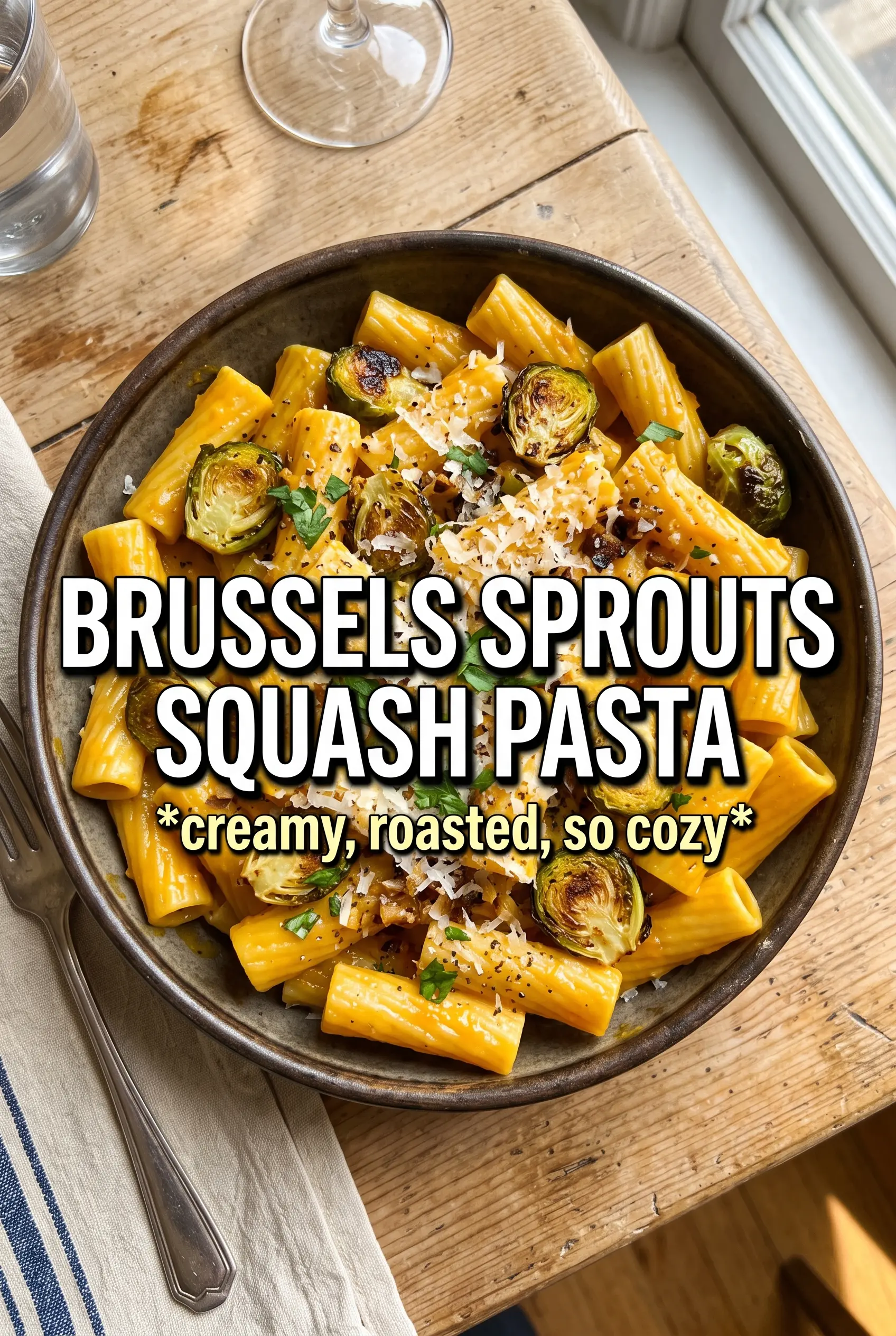
Brussels Sprouts And Butternut Squash Pasta
Ingredients
Equipment
Method
- Heat oven to 425°F. Toss butternut squash cubes with olive oil, salt, and pepper, then spread on a sheet pan.
- Roast the butternut squash at 425°F for 25 minutes until caramelized, then set aside.
- Toss halved Brussels sprouts with olive oil, salt, and pepper, then spread them on a separate sheet pan or on the same pan after the squash is finished.
- Roast the Brussels sprouts at 425°F for 25 minutes until caramelized, then set aside.
- Bring a cast iron skillet to medium heat and add the unsalted butter. Cook until foaming stops and the butter turns golden with a nutty aroma.
- Add minced garlic and chopped sage to the browned butter and stir until fragrant, about 30 to 60 seconds.
- Cook rigatoni or penne in salted water until al dente, reserving 1 cup of pasta water before draining.
- Add drained pasta to the skillet with brown butter and stir to coat, then add pasta water a splash at a time until glossy.
- Add the roasted butternut squash and roasted Brussels sprouts and toss to combine.
- Turn off the heat, add grated parmesan, and toss until melted and evenly distributed.
- Season with salt and pepper to taste, then top with toasted hazelnuts.