Sun-dried tomato vegan pasta lands with a creamy sauce that clings to every ridge of rigatoni and penne, with just enough tang from the tomatoes to keep the richness from feeling heavy. The spinach wilts into the sauce, the garlic turns sweet in the pan, and the nutritional yeast gives it that savory finish people usually expect from parmesan.
The key here is building the sauce in layers instead of dumping everything into the pot at once. Cooking the tomato paste for a full minute deepens the flavor, and the reserved pasta water helps the coconut cream loosen into something silky instead of thick and greasy. Sun-dried tomato oil carries the garlic and tomato flavor through the whole dish, so don’t skip it if it’s in your jar.
Below, I’ve added the small details that matter most: how to keep the sauce glossy, which pasta shapes catch it best, and what to change if you want to make this dairy-free pasta even more weeknight friendly.
The sauce turned out silky and coated the rigatoni perfectly. I used the pasta water like you said, and the coconut cream never got oily or separated. My husband asked if I could put this in the regular dinner rotation.
Creamy sun-dried tomato vegan pasta with spinach and basil belongs on your weeknight rotation.
The Reason This Sauce Stays Creamy Instead of Turning Heavy
The biggest mistake with vegan cream sauces is rushing the simmer. Coconut cream needs gentle heat so it can thicken and emulsify with the tomato paste and pasta water without looking greasy. If the pot is boiling hard, the sauce can separate before the starch has a chance to do its job.
Sun-dried tomatoes bring concentrated sweetness and acidity, which keeps the sauce from tasting flat. The garlic and tomato paste need that short cooking time in the oil because raw tomato paste tastes sharp and unfinished, while briefly frying it adds a deeper, rounder base.
- Sun-dried tomatoes in oil — These do more than add flavor; the oil they’re packed in carries the tomato taste straight into the sauce. If yours are packed dry, add an extra tablespoon of olive oil and a pinch more salt.
- Full-fat coconut cream — This gives the body and silkiness that lighter plant milks can’t match. Coconut milk will work in a pinch, but the sauce will be thinner and less plush.
- Pasta water — This is the thing that makes the sauce cling. The starch helps the coconut cream tighten up into a glossy coating instead of sitting in a pool at the bottom of the bowl.
- Nutritional yeast — It adds that savory, parmesan-like depth without any dairy. Don’t swap it for regular yeast; the flavor is completely different.
What Each Ingredient Is Actually Doing in the Pan
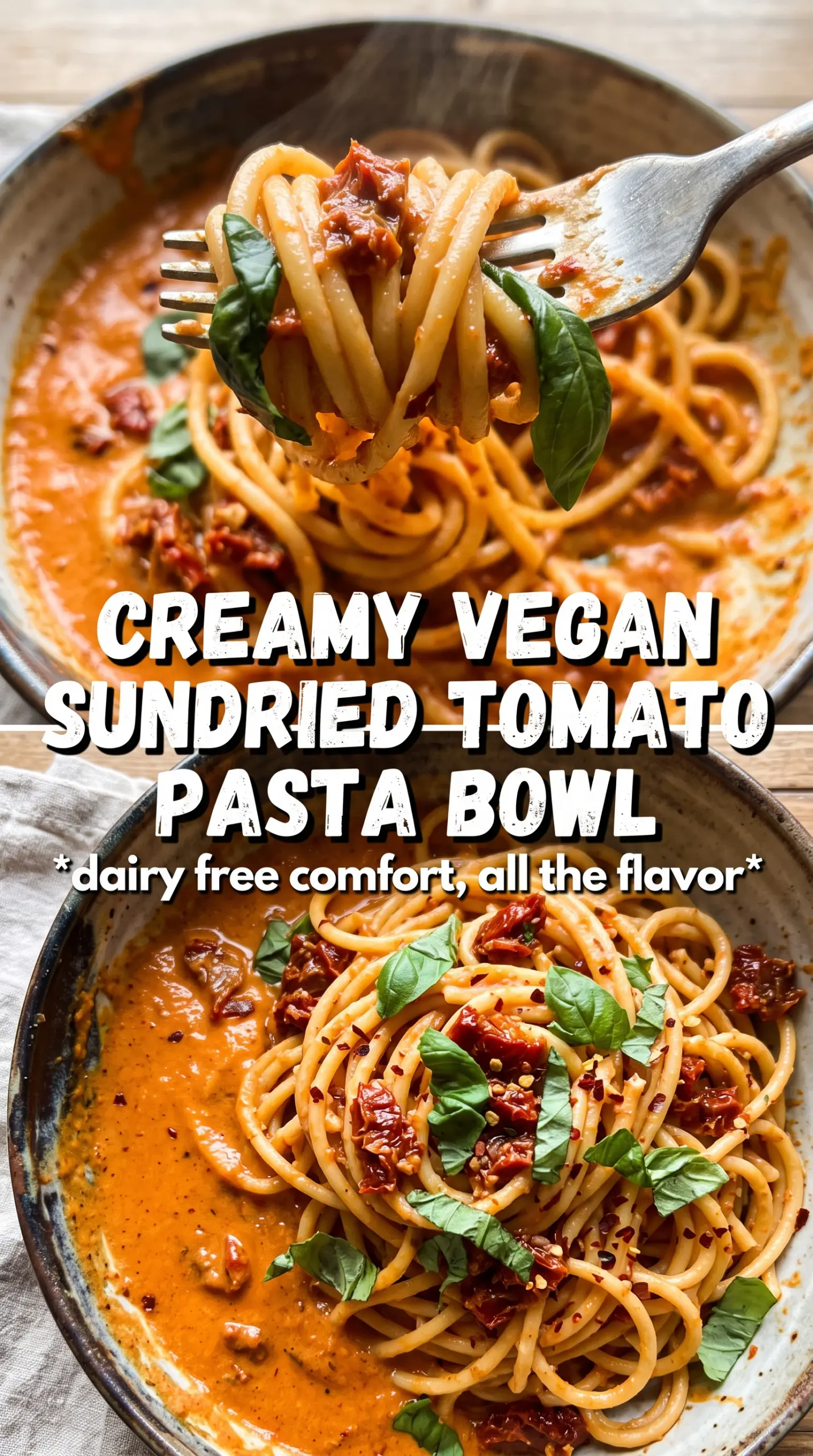
- Rigatoni or penne — Short pasta with ridges holds onto the sauce better than spaghetti here. Any sturdy shape works, but long noodles don’t give you the same sauce-to-pasta payoff.
- Tomato paste — This is the backbone of the sauce, not just a color booster. Cooking it for a minute removes the raw edge and deepens the tomato flavor.
- Baby spinach — It softens fast and melts into the sauce without turning mushy if you add it at the end. Mature spinach works too, but chop it first so it doesn’t clump.
- Fresh basil — Add it at the end so the flavor stays bright. If you cook it hard, it loses that fresh, peppery lift.
Building the Sauce in the Right Order
Start with the garlic and tomatoes in the oil
Heat the sun-dried tomato oil first, then add the garlic and chopped tomatoes. You want the garlic fragrant and just starting to turn golden at the edges, not brown, because burnt garlic will make the whole sauce taste bitter. Two minutes is enough to wake up the tomatoes and soften their chew without drying them out.
Cook the tomato paste before the cream goes in
Stir in the tomato paste and let it cook for about a minute. This step matters because raw tomato paste can taste metallic and sharp, while a short cook deepens it into something richer. The paste should darken slightly and smell sweet before you move on.
Let the coconut cream simmer gently
Add the coconut cream, Italian seasoning, red pepper flakes, and nutritional yeast, then keep the heat low enough for a steady simmer. You’re looking for small bubbles around the edges, not a rolling boil. If the sauce starts looking oily or separated, pull the pan back for a minute and stir in a splash of pasta water to bring it back together.
Toss the pasta while the sauce is still loose
Add the cooked pasta and a little reserved pasta water, then toss until every piece is coated. The sauce will thicken as it sits, so stop a little before it looks finished in the pan. Fold in the spinach at the end so it wilts from the heat of the sauce instead of disappearing into nothing.
Three Smart Ways to Change This Pasta Without Losing What Makes It Work
Make it gluten-free with a sturdy GF pasta
Use a gluten-free rigatoni or penne that holds its shape well. The sauce is naturally gluten-free, but GF pasta can go from tender to soft fast, so cook it just to al dente and toss it right away.
Swap coconut cream for cashew cream
Cashew cream gives you a milder, less coconut-forward sauce and a slightly lighter finish. Blend soaked cashews with water until completely smooth, then use it in the same amount; it won’t taste as sweet, but it will still give you a creamy body.
Turn it into a heartier meal with white beans or vegan sausage
Stir in drained cannellini beans or browned vegan sausage when the sauce is simmering. Beans keep the dish soft and cozy, while vegan sausage adds more chew and a stronger savory note.
Storage and Reheating
- Refrigerator: Store leftovers in an airtight container for up to 4 days. The sauce will thicken as it chills.
- Freezer: It freezes decently for up to 2 months, though the texture gets a little softer after thawing. Freeze in portions and stir well after reheating.
- Reheating: Warm it gently on the stove over low heat with a splash of water or plant milk. High heat can make the coconut cream separate, so don’t blast it in the microwave unless you stir every 30 seconds.
Questions I Get Asked About This Recipe
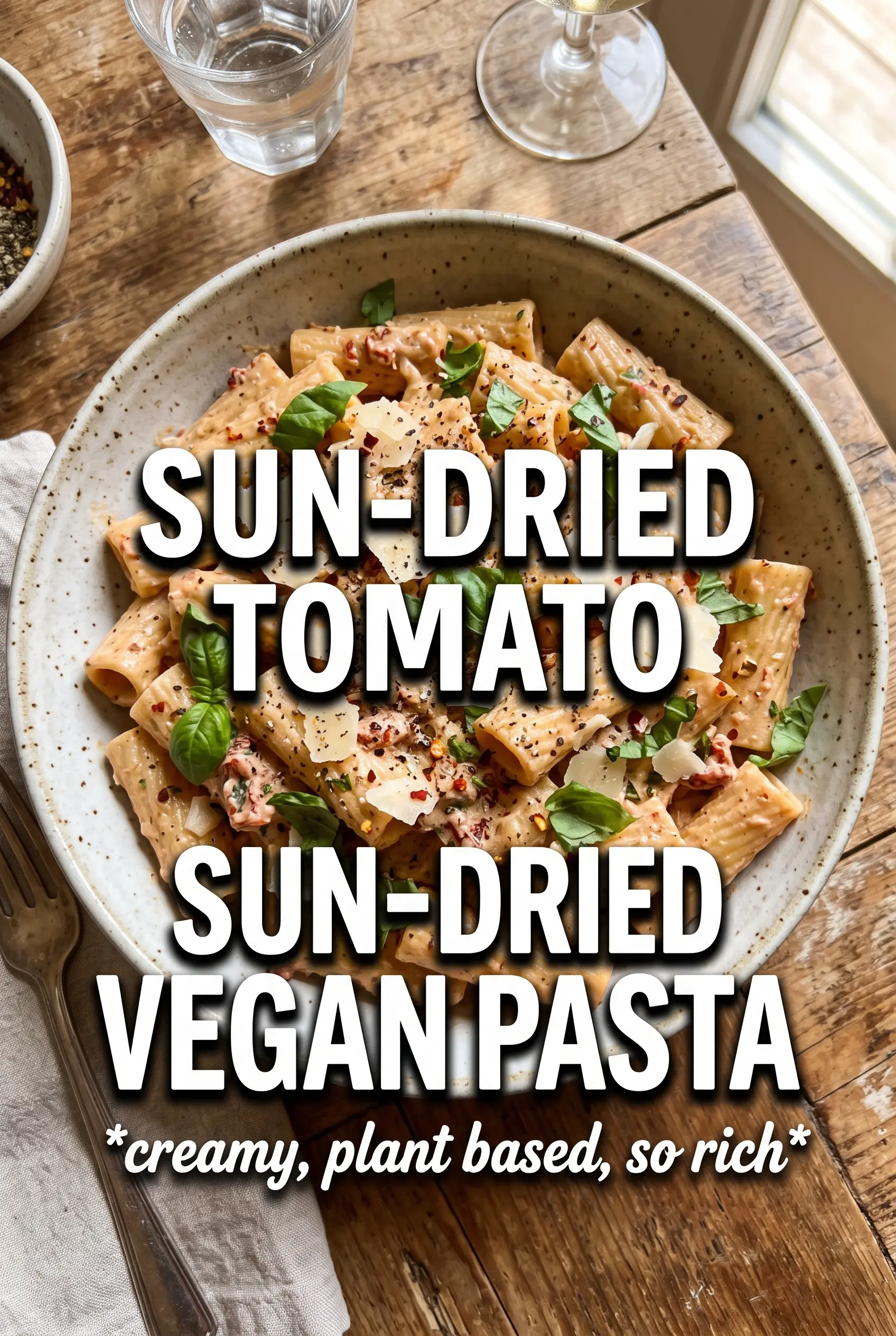
Sun-Dried Tomato Vegan Pasta
Ingredients
Equipment
Method
- Bring a pot of salted water to a boil and cook the rigatoni or penne until al dente, about 10 minutes for most packages. Before draining, reserve 1 cup pasta water.
- In a Dutch oven or cast iron skillet over medium heat, warm the sun-dried tomato oil until it shimmers. Add the minced garlic and chopped sun-dried tomatoes and sauté for 2 minutes, stirring until fragrant.
- Stir in the tomato paste and cook for 1 minute, coating the garlic and tomatoes until slightly darkened. Keep heat at medium to avoid burning.
- Add the coconut cream, Italian seasoning, red pepper flakes, and nutritional yeast, then stir until smooth. Simmer for 5 minutes, stirring occasionally, until the sauce looks creamy.
- Add the drained pasta to the sauce along with reserved pasta water as needed, tossing until the sauce coats the rigatoni or penne. Add 1 to 1/2 cup water gradually for the texture you want.
- Add the baby spinach and toss for 1 to 2 minutes until wilted and bright green. Keep tossing so the spinach disperses evenly.
- Season with salt and pepper to taste. Top each bowl with fresh basil and extra nutritional yeast right before serving.