Chopped fall harvest salad with chicken has the kind of balance that keeps you coming back for another forkful: crisp greens, sweet-tart fruit, earthy beets, salty goat cheese, and tender chicken all chopped small enough that every bite tastes complete. The maple balsamic dressing pulls everything together without drowning the salad, so the bowl still eats fresh instead of heavy.
What makes this version work is the way the ingredients are cut and layered. The chicken gets seasoned well and cooled just enough so it doesn’t wilt the greens, while the apples and beets bring contrast in both texture and color. Candied pecans add crunch, but only if they stay dry, so the dressing goes on at the end and gets tossed lightly rather than soaked in early.
Below, you’ll find a few practical notes on how to keep the salad bright, how to swap ingredients without losing the point of the dish, and how to get the dressing to cling to every bite.
The dressing was perfect on this, and the chopped size made every bite have a little chicken, apple, beet, and goat cheese. I tossed it right before serving and the greens stayed crisp.
Pin this chopped fall harvest salad with chicken for a crisp, colorful dinner that eats like a full meal.
The Dressing Stays Bright Only If You Add It at the End
Chopped salads fail when the dressing gets added too early. The greens soften, the apple starts to dull, and the pecans lose their crunch before the bowl even reaches the table. This salad works because the maple balsamic is light enough to coat everything without weighing it down, but it still needs to go on right before serving.
The other detail that matters is temperature. Warm chicken can go straight onto the greens if it has had a few minutes to cool, but hot chicken will steam the leaves and make the whole salad limp. I like the chicken sliced and rested just long enough that it still feels tender, not dry or chalky. If your beets are still warm, let them cool too, because the juice from warm beets can tint the whole bowl before you mean for it to.
What Each Ingredient Is Doing in This Bowl
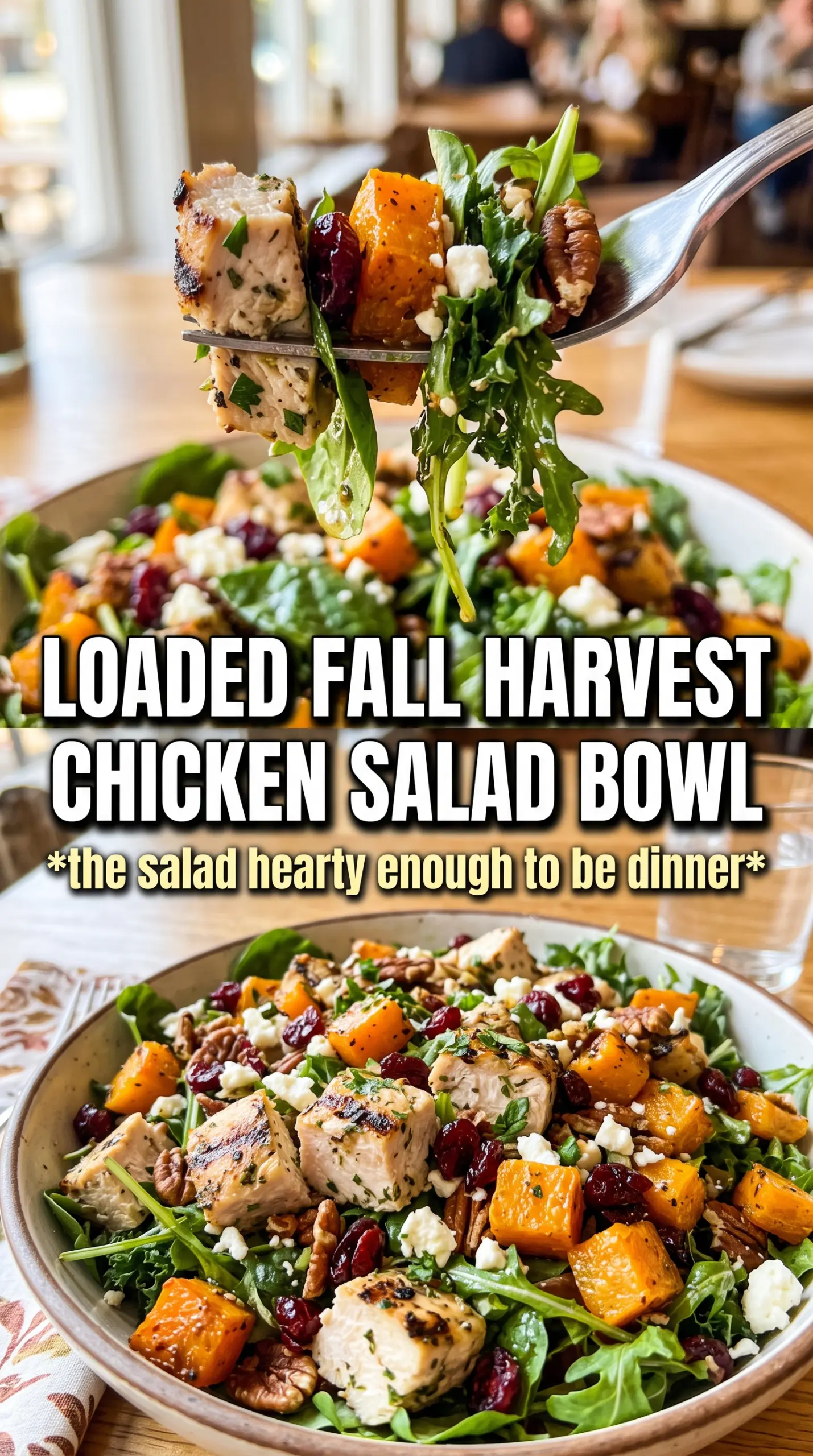
- Chicken breasts — This is the protein that turns the salad into dinner. Grilled or roasted both work, but the key is seasoning it well before cooking so the meat tastes like more than an add-on. Sliced chicken is easier to distribute through a chopped salad than chunks, which means fewer bites that are all greens.
- Mixed greens or chopped kale — Mixed greens give you tenderness, while kale holds up better if you want leftovers. If using kale, chop it finely and massage it lightly with a spoonful of dressing or a pinch of salt so it softens instead of tasting tough and fibrous.
- Apple — The apple gives the salad its crisp snap and a fresh sweetness that keeps the beets and goat cheese from feeling heavy. A firm variety like Honeycrisp, Pink Lady, or Fuji is best because mealy apples go soft once dressed.
- Roasted beets — Beets bring earthiness and deep color, and they need to be fully cooked and cooled before they go into the bowl. Store-bought roasted beets are fine here if they’re unsweetened; just pat them dry so they don’t bleed extra liquid into the dressing.
- Candied pecans — These add the crunch that makes each bite feel complete. Raw pecans can work in a pinch, but they won’t give the same contrast; if you use plain nuts, toast them first so the salad still has that sweet-savory edge.
- Goat cheese — Goat cheese softens the sharpness of the balsamic and ties the fruit and beets together. Feta can substitute if that’s what you have, but it will be saltier and firmer, so use a lighter hand.
- Maple balsamic dressing — The maple sweetens the vinegar just enough to echo the apples and cranberries, while Dijon helps the dressing emulsify and cling instead of separating into oily streaks. If you want to make it ahead, whisk it again right before serving because the mustard can settle at the bottom.
Building the Salad So Every Bite Lands Right
Cook and Cool the Chicken
Season the chicken with salt, pepper, and Italian herbs, then grill or roast it until the juices run clear and the center is fully cooked. Let it rest before slicing so the juices stay in the meat instead of running all over the cutting board. If you slice too soon, the chicken dries out faster and the salad loses the tender texture that makes it feel substantial.
Whisk the Dressing Until It Looks Smooth
Combine the olive oil, balsamic vinegar, maple syrup, Dijon, salt, and pepper in a small bowl or jar and whisk hard until it looks glossy and unified. You want a lightly thickened dressing, not a separated puddle of oil and vinegar. If it breaks, keep whisking for another 20 seconds; the Dijon needs a little time to pull everything together.
Chop for a Fork-Friendly Bite
Chop the greens, dice the apple, cube the beets, and slice the onion thin so the salad eats like one composed dish instead of a pile of toppings. Small pieces matter here because they let the chicken, cheese, fruit, and nuts hit the fork together. If the onion is too sharp, soak the slices in cold water for a few minutes, then dry them well before adding them to the bowl.
Dress Right Before Serving
Arrange everything in a large bowl, drizzle with the dressing, and toss lightly just until the greens are coated. Stop as soon as the leaves look glossy; overmixing crushes the apple and smears the goat cheese into the dressing. This salad is best the minute it’s dressed, when the pecans are still crisp and the beets haven’t had time to tint everything purple.
How to Adapt This Salad for Different Needs
Make It Dairy-Free
Skip the goat cheese and add extra toasted pecans or a few avocado slices for richness. You lose the tangy creaminess, so the dressing should stay bright and balanced to keep the salad from tasting flat.
Make It Gluten-Free
This salad is naturally gluten-free as written, as long as your Dijon and candied pecans are certified or labeled gluten-free. That’s the easy win here — the flavor stays the same and you don’t need any special substitutions.
Use Kale for a Heartier Salad
Swap the mixed greens for chopped kale if you want a sturdier salad that holds up a little longer. Massage the kale with a small splash of dressing first so it softens and doesn’t eat like raw leaves.
Turn It Into a Meatless Main
Replace the chicken with roasted chickpeas or extra roasted beets and a handful of pumpkin seeds. The salad becomes lighter and a little less savory, so I’d keep the goat cheese and dressing in place to preserve the same sweet-salty balance.
Storage and Reheating
- Refrigerator: Store the components separately for up to 3 days. Once dressed, the greens soften fast, but the chicken, beets, and dressing hold well.
- Freezer: Don’t freeze the assembled salad. The greens, apple, and goat cheese won’t thaw well, though the cooked chicken can be frozen on its own if needed.
- Reheating: Reheat only the chicken if you want it warm, then let it cool slightly before assembling the salad. Heating the whole bowl will wilt the greens and mute the crunch that makes this recipe work.
Answers to the Questions Worth Asking
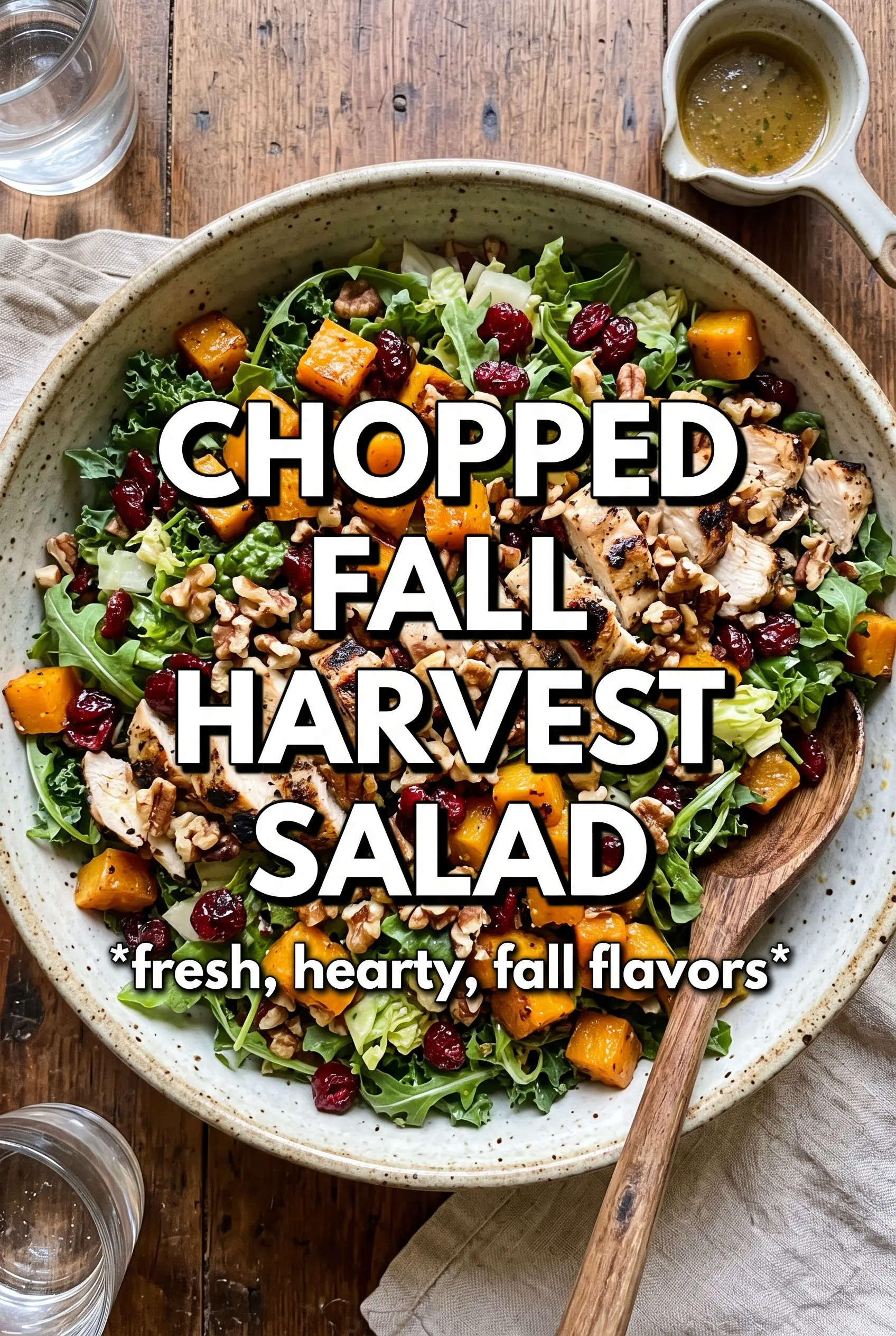
Chopped Fall Harvest Salad With Chicken
Ingredients
Equipment
Method
- Heat the oven to 425°F. Season chicken breasts with salt, pepper, and Italian herbs, roast on a sheet pan for 20–25 minutes until cooked through, then slice and cool slightly.
- Whisk olive oil, balsamic vinegar, maple syrup, and Dijon until emulsified, then season with salt and pepper.
- Arrange mixed greens or kale in a large bowl as a chopped base, then top with sliced chicken, diced apple, cubed roasted beets, dried cranberries, candied pecans, crumbled goat cheese, and thinly sliced red onion.
- Drizzle maple balsamic dressing over the salad just before serving, then toss lightly until glossy but not overdressed.