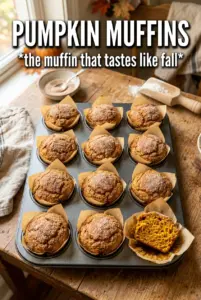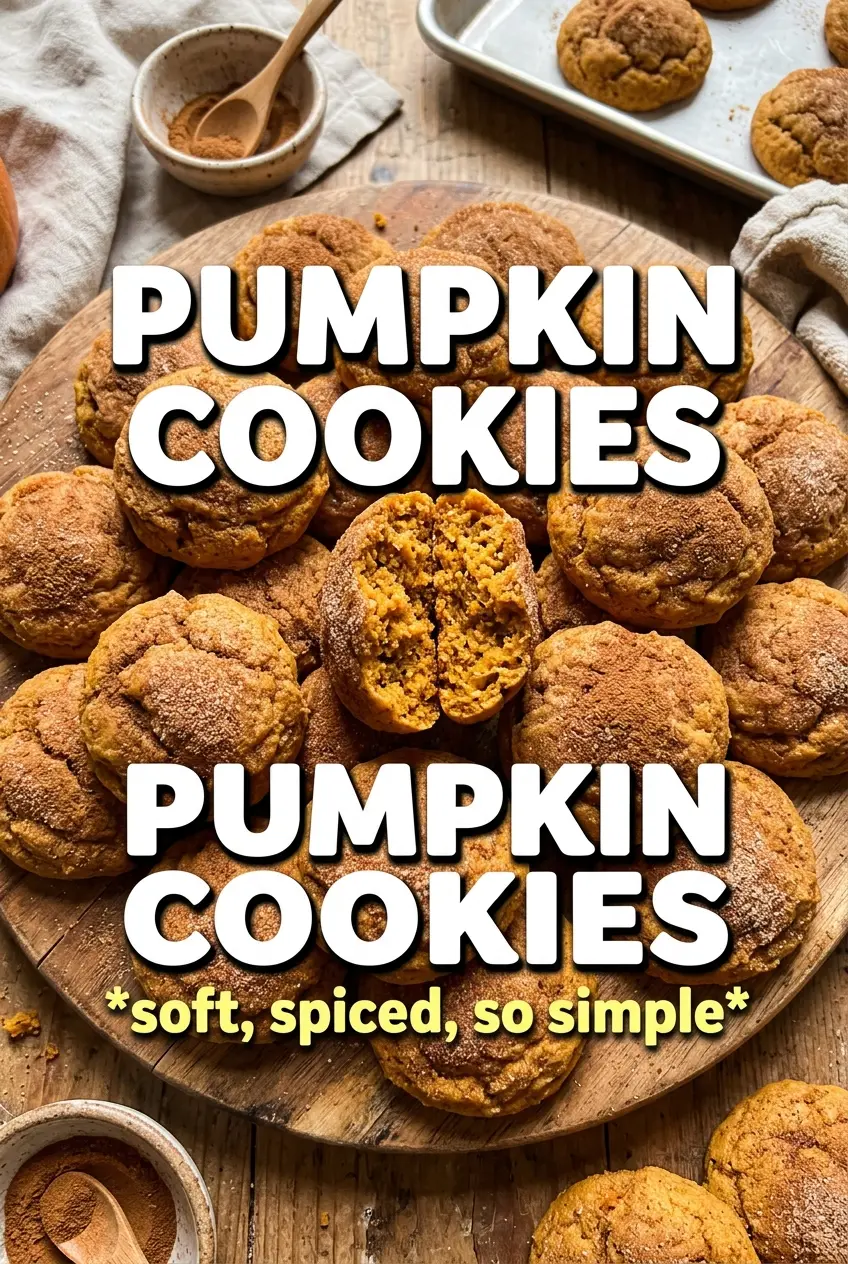
Soft pumpkin cookies with a tender, cake-like crumb have a way of disappearing fast, especially when they’re finished with a simple powdered sugar glaze. These bake up pillowy instead of dense, with warm spice in every bite and just enough pumpkin flavor to keep them from tasting flat. The glaze sets with a light sheen, and a dusting of pumpkin pie spice gives the tops a little extra warmth without burying the cookie itself.
The texture comes from a balanced dough: enough flour and leavening to give the cookies lift, but not so much that they turn dry or stiff. Pumpkin puree adds moisture, which is great for softness, but it also makes the dough sticky, so these cookies are meant to be scooped rather than rolled. That little detail matters. If you try to handle the dough like a standard sugar cookie, it fights back.
Below, I’ll walk through the part that matters most for this style of cookie: how to keep them fluffy, not gummy, and how to glaze them so they look neat instead of soaking into the tops.
The cookies came out soft and cakey with that perfect pumpkin spice flavor, and the glaze set up just enough that they weren’t messy to stack. I chilled the dough for 10 minutes and they held their shape beautifully.
Save these soft pumpkin cookies for the days when you want a pillowy cookie with a simple cinnamon glaze and no rolling required.
The Trick to Keeping Pumpkin Cookies Light Instead of Dense
Pumpkin cookies go wrong when the dough gets overloaded with flour or baked until the centers look fully dry in the oven. Pumpkin adds moisture without adding structure, so the dough needs enough leavening to lift it and just enough flour to hold that soft shape. The goal is a cookie that sets on the edges while the center stays tender, almost like a small cake.
The other trap is overmixing once the flour goes in. Stir only until the streaks disappear, then stop. If you keep beating, the dough tightens up and the cookies bake up heavier. These are meant to be soft, so a sticky dough is a good sign, not a problem.
- Pumpkin puree — Use plain canned pumpkin, not pumpkin pie filling. Pie filling already has sugar and spices added, which throws off both the texture and the seasoning.
- Butter — Softened butter creams with the sugar and gives the cookies their lighter crumb. Melted butter won’t trap air the same way, and the cookies come out flatter and denser.
- Baking powder and baking soda — Both matter here. The baking soda helps with spread and browning, while the baking powder gives the cookies their lift.
- Flour — Measure it carefully. Too much flour is the fastest way to lose that soft, pillowy texture.
What Each Ingredient Is Doing in These Pumpkin Cookies
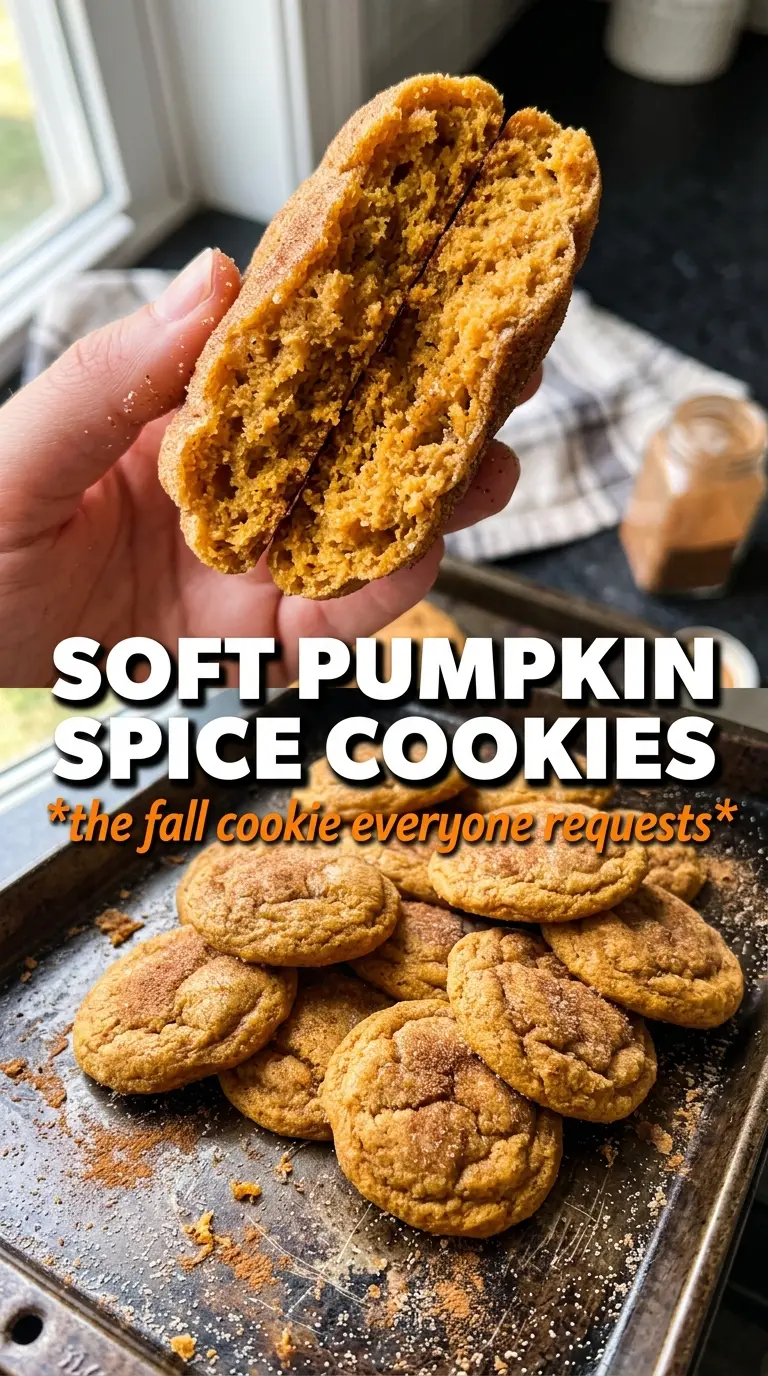
The spice blend is what gives these cookies their warm pumpkin bakery taste without making them taste muddy or heavy. Pumpkin pie spice does the broad work, while the extra cinnamon keeps the glaze and the cookie itself tasting bright and familiar. You could use all pumpkin pie spice in a pinch, but the added cinnamon makes the flavor clearer and less blended together.
The glaze is more than decoration. It adds sweetness that balances the lower-key pumpkin flavor, and it gives these cookies the bakery-style finish people expect from a glazed drop cookie. If you want a thicker drizzle, use less milk. If you want a thinner glaze that runs over the edges, add the milk a teaspoon at a time until it ribbons off the spoon.
- All-purpose flour — This gives enough structure for a soft drop cookie without making it bready. Cake flour would make them too fragile; bread flour would make them tough.
- Pumpkin pie spice and cinnamon — Together they create a warmer, more layered spice flavor than either one alone.
- Powdered sugar glaze — Sift it if yours is lumpy. A smooth glaze makes a big difference on a cookie this simple.
- Vanilla extract — It rounds out the pumpkin and spice and keeps the cookies from tasting one-note.
From Soft Dough to Glazed Cookies Without Losing the Texture
Mixing the Base
Start by whisking the dry ingredients together so the baking soda, baking powder, and spices are evenly distributed. Cream the butter and sugar until the mixture looks lighter and fluffy, not greasy and slick. That step traps air and helps the cookies rise instead of spreading into flat puffs. Once the pumpkin, egg, and vanilla go in, the mixture may look slightly curdled, but that’s normal. Keep going until it smooths out.
Folding in the Flour
Add the flour mixture in two additions and stir just until no dry streaks remain. The dough will be soft and sticky enough that it clings to the spoon, and that’s exactly what you want. If it feels pourable, too much liquid made it into the bowl or the flour was under-measured. Let the dough sit for a few minutes before scooping if it feels overly loose; it thickens a bit as the flour hydrates.
Baking Until Set
Drop the dough in rounded tablespoons onto parchment-lined sheets, leaving room for a little spread. Bake just until the tops look set and the edges no longer appear wet, usually 10 to 12 minutes. The centers should still feel soft when you touch them lightly. If you wait until the cookies look fully dry, they’ll finish too firm once they cool.
Glazing After Cooling
Cool the cookies completely before you add the glaze. Warm cookies will melt the icing and make it disappear into the tops instead of sitting in a neat drizzle. Stir the glaze until smooth, then drizzle it over the cookies with a spoon or fork. A light dusting of pumpkin pie spice on top finishes them without overpowering the cookie underneath.
Three Ways to Change These Cookies Without Losing What Makes Them Good
Dairy-Free Version
Swap the butter for a plant-based butter stick, not a soft tub spread. The stick-style version behaves more like real butter in the dough and gives you better structure. Use a dairy-free milk in the glaze and keep the consistency the same by adding it slowly.
Less Sweet, More Spice
Skip the glaze and dust the cooled cookies with a little cinnamon sugar or plain pumpkin pie spice. You lose the shiny bakery-style finish, but the cookies taste more like a spiced pumpkin tea cake. This is the version I make when I want them less dessert-like and more snackable.
Gluten-Free Swap
Use a 1:1 gluten-free baking blend that includes xanthan gum. The cookies will still be soft and cakey, but they may spread a touch more, so scoop the dough generously and give them room on the pan. Avoid single-flour swaps like almond flour alone, which won’t give you the same structure here.
Storage and Reheating
- Refrigerator: Store in an airtight container for up to 5 days. The cookies stay soft, though the glaze may absorb slightly into the tops.
- Freezer: Freeze the unglazed cookies for up to 2 months. Thaw at room temperature, then glaze after they’ve fully thawed for the best texture.
- Reheating: These cookies don’t need reheating, but if you want them just slightly warm, give them 5 to 8 seconds in the microwave without glaze. Too much heat will melt the icing and make the centers gummy.