Smoky Cajun chicken spaghetti lands in the bowl with glossy sauce, blackened chicken, and just enough heat to keep every bite interesting. The pasta stays coated instead of heavy, and the bell peppers and onions give the whole dish a little sweetness to balance the spice. It’s the kind of dinner that tastes like it took a long time, even though it comes together fast enough for a weeknight.
The part that makes this version work is the order. The chicken gets a hard sear first, which builds those dark, flavorful bits in the pan that carry into the sauce. Then the cream and parmesan go in after the broth has simmered a little, so the sauce thickens smoothly instead of turning grainy. A splash of pasta water at the end loosens everything just enough to cling to the spaghetti.
Below, I’ll walk through the pan technique that keeps the sauce silky, plus a few smart swaps if you want to dial the heat up, cut the dairy, or stretch the dish for a bigger crowd.
The sauce coated the spaghetti beautifully and never got watery, even after I tossed everything together. The blackened chicken and peppers gave it that restaurant-style look, and my husband went back for seconds before I’d even sat down.
Save this Cajun chicken spaghetti for the nights when you want smoky blackened chicken, creamy sauce, and a pasta dinner that comes together in one skillet.
The Reason the Sauce Stays Creamy After the Chicken Gets Blackened
The biggest mistake with Cajun pasta is rushing the sauce after a hot sear. If the pan is scorching when the cream goes in, the dairy can separate or pick up a bitter edge from the browned seasoning. This version works because the chicken is removed first, then the onions and peppers soften in the same pan before the liquid goes in. That gives the skillet time to cool just enough while still keeping all the flavorful drippings.
There’s another detail that matters: the parmesan goes in after the broth and cream have had a few minutes to simmer. Add it too early and it can clump or turn stringy. Let the sauce thicken on its own first, then finish it with cheese and pasta water so it hugs the noodles instead of pooling underneath them.
What Each Ingredient Is Actually Doing in This Pasta
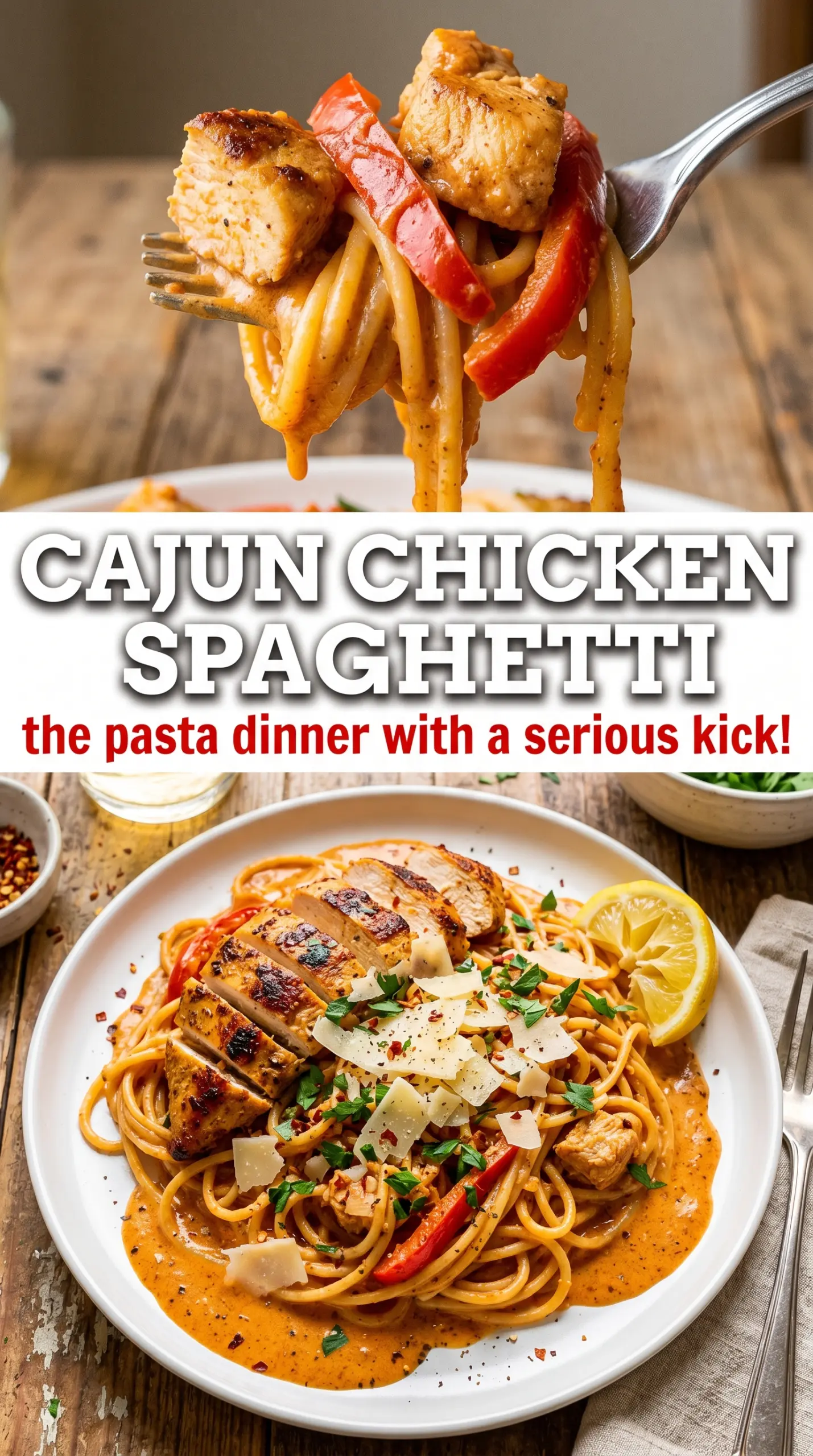
- Chicken breast — Sliced thin, it cooks fast and gets that blackened edge before the inside dries out. Thighs also work if you want a little more forgiveness and richer flavor.
- Cajun seasoning — This is the backbone of the dish, so use one you like on its own. If yours is salt-heavy, hold back on extra salt until the end so the sauce doesn’t overdo it.
- Spaghetti — Long noodles catch the cream sauce better than short pasta here. Fettuccine or linguine are the closest swaps if that’s what you have.
- Heavy cream — It gives the sauce body without curdling when it simmers. Half-and-half can work, but the sauce will be thinner and needs a little more time on the stove.
- Parmesan — Freshly grated parmesan melts cleanly and helps the sauce thicken. Pre-grated cheese often has anti-caking agents that can make the sauce grainy.
- Bell pepper and onion — They soften into the sauce and keep the dish from tasting flat. Slice them thin so they melt into the pasta instead of staying crunchy.
The 20 Minutes That Matter Most in the Skillet
Getting the Chicken Blackened Without Drying It Out
Season the chicken well, then sear it in a hot skillet with oil and don’t move it around too soon. You want a dark crust on the outside and just-cooked meat in the center. If the pieces are crowded, they’ll steam instead of sear, and you’ll lose the smoky edge that makes the whole dish taste bold. Pull them off the heat as soon as they’re done; they’ll finish gently when they go back into the pasta.
Softening the Vegetables in the Leftover Flavor
Melt the butter in the same pan and add the onion and bell pepper. They should soften and pick up some color from the pan, not turn mushy. If the pan looks dry, the butter is enough to loosen the browned bits without washing away the seasoning. Garlic goes in near the end of this stage because it burns fast once the skillet is hot.
Building the Cream Sauce in the Right Order
Pour in the broth first and scrape the bottom until the pan is clean. That’s where the best flavor lives. Let it simmer with the cream for a few minutes so it reduces slightly before the cheese goes in. If the sauce ever looks thin, keep it simmering a little longer instead of cranking up the heat. High heat is what breaks a cream sauce, not what saves it.
Finishing the Pasta So It Stays Glossy
Add the spaghetti to the sauce and toss until every strand is coated. Splash in a little reserved pasta water if the sauce seems tight or starts to cling in clumps. The starch in that water helps the sauce emulsify and gives it a silky finish. Once the chicken goes back on top, serve it right away so the sauce stays smooth and the pasta doesn’t soak it up dry.
How to Adapt This Cajun Chicken Spaghetti Without Losing the Good Part
Dairy-Free With Coconut Cream
Use full-fat coconut cream instead of heavy cream and skip the parmesan, then finish with a little extra pasta water and a pinch of salt. The sauce will be a little sweeter and less sharp, but it still turns silky and coats the spaghetti well.
Make It Gluten-Free Without Losing the Texture
Swap in a good gluten-free spaghetti and cook it just to al dente, since GF pasta goes soft fast once it hits the hot sauce. Keep a little extra pasta water on hand because gluten-free noodles need more help to blend into the cream sauce smoothly.
Turn Up the Heat or Dial It Back
For more kick, add a pinch of cayenne or use a hotter Cajun seasoning. For a milder pan of pasta, use less seasoning on the chicken and lean on the bell peppers and parmesan to keep the dish balanced without the burn.
Stretch It for a Bigger Table
Add an extra half pound of spaghetti and a splash more broth and cream if you need to feed more people. The sauce should look loose before the pasta goes in, because the noodles keep soaking up liquid as they sit.
Storage and Reheating
- Refrigerator: Store leftovers for up to 4 days. The sauce will thicken as it chills, and the pasta will absorb some of it.
- Freezer: It freezes, but the cream sauce may separate a bit on thawing. For the best texture, freeze only if you’re okay with a slightly looser sauce after reheating.
- Reheating: Warm gently on the stove over low heat with a splash of broth, milk, or water. Microwaving on high can make the sauce oily and the chicken tough.
Answers to the Questions Worth Asking
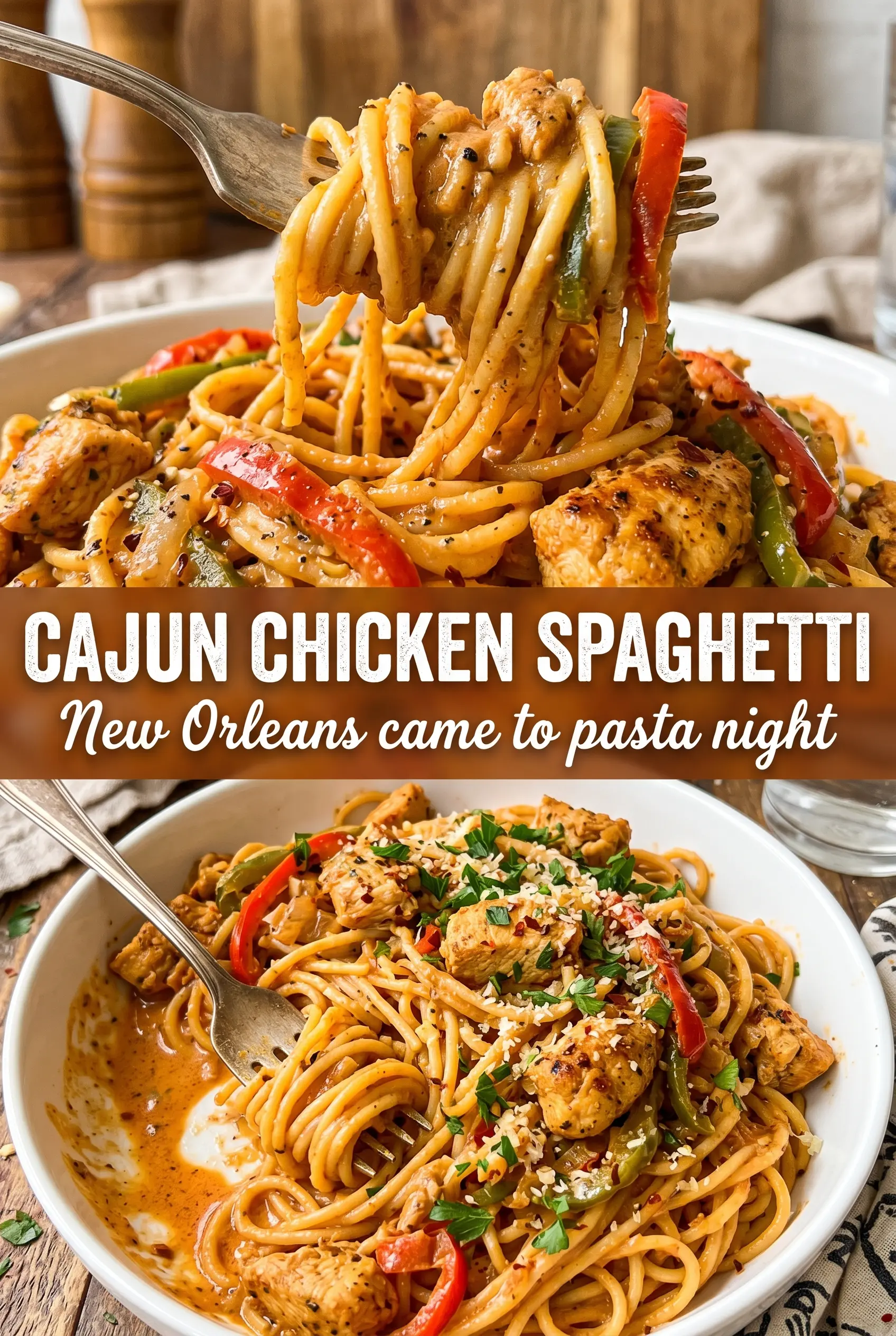
Cajun Chicken Spaghetti
Ingredients
Equipment
Method
- Bring a pot of salted water to a rolling boil and cook the spaghetti until al dente, stirring occasionally for even doneness. When done, reserve 1/2 cup pasta water, drain the pasta, and set aside.
- Season the chicken strips with 1 tablespoon Cajun seasoning. Heat olive oil in a skillet over high heat and sear the chicken for 4–5 minutes until blackened, then set aside.
- Melt the butter in the same skillet, then cook the onion and red bell pepper for 4 minutes until softened. Add the garlic and the remaining Cajun seasoning and cook for 1 minute until fragrant.
- Pour in the chicken broth and heavy cream, then simmer for 5 minutes until the sauce thickens. Stir in the parmesan until smooth and glossy.
- Add the drained spaghetti to the Cajun cream sauce and toss until every strand is coated. Add reserved pasta water as needed to loosen the sauce to a clingy texture.
- Top the pasta with the blackened chicken slices so the smoky pieces sit on top. Garnish with fresh parsley and extra parmesan before serving.