Penne coated in a rusty-red Cajun cream sauce has a way of disappearing fast, especially when the chicken is seared hard enough to pick up those dark edges and the peppers still keep a little bite. This version lands in that sweet spot where the sauce feels rich without turning heavy, and every forkful gets a little heat, a little smoke, and enough parmesan to pull everything together.
The key is building layers instead of dumping everything into one pan at once. The chicken gets its own seasoning and a hot sear first, which gives the sauce something deeper to stand on. Then the peppers soften just enough to sweeten the sauce without losing their shape, and the cream simmers long enough to thicken before the cheese goes in. That order matters. If the dairy goes in too early or the heat stays too high, the sauce can turn greasy or grainy instead of smooth and clingy.
Below, I’ve included the small details that make this pasta cook like a restaurant-style skillet dinner at home: how to keep the sauce silky, what to do if your Cajun seasoning is salt-heavy, and a few swaps that still keep the dish bold and balanced.
The sauce thickened up beautifully and coated every noodle without getting gluey. I used the pasta water at the end like you said, and my husband went back for seconds before I even sat down.
Creamy Cajun Chicken Pasta with blackened chicken, bell peppers, and that silky Cajun cream sauce is the kind of skillet dinner worth keeping close.
The Reason the Sauce Stays Creamy Instead of Breaking
The sauce in this dish lives or dies by the heat level. Cajun seasoning, cream, and parmesan all want to behave differently in the pan, and if the heat is too high when the dairy goes in, the sauce can split before it has a chance to thicken. The safer move is to let the broth and cream simmer gently until they lose that thin, watery look and take on a light sheen.
Another thing that helps is building the sauce in the same skillet you used for the chicken. Those browned bits on the bottom carry a lot of the flavor, and they dissolve into the broth once the cream goes in. If your pan looks too dark after searing, the vegetables and liquid will loosen it just fine as long as you stir and scrape with the heat under control.
- High heat for the chicken, low to medium heat for the sauce — that switch keeps the chicken blackened and the cream smooth.
- Parmesan goes in after the simmer — add it too early and it can clump instead of melting evenly.
- Pasta water is your adjustment tool — the starch helps loosen the sauce without watering down the flavor.
- Bell peppers soften but don’t collapse — that keeps the dish from turning into a heavy, one-note cream pasta.
What Each Ingredient Is Actually Doing in This Pasta
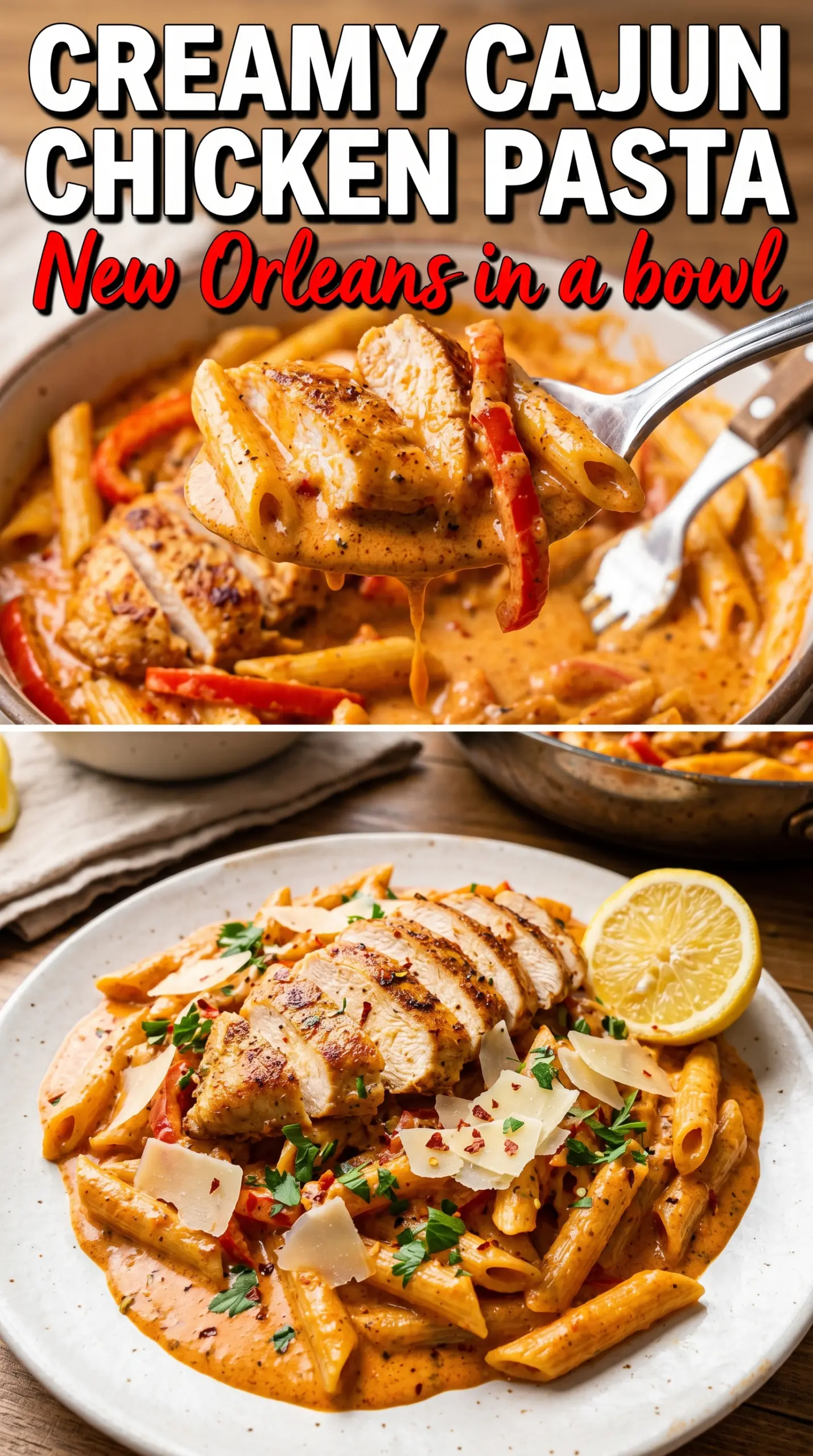
- Chicken breast — Sliced into strips, it cooks quickly and gets more surface area for seasoning and browning. Thighs work too if you want a juicier result, but they’ll need an extra minute or two in the pan.
- Cajun seasoning — This is where most of the character comes from, so use one you like on its own. If yours is heavy on salt, cut back on added salt until the very end and taste the sauce before seasoning again.
- Heavy cream — Nothing else gives the same body or the same smooth finish. Half-and-half can work in a pinch, but the sauce will be thinner and needs a gentler simmer.
- Parmesan — Freshly grated melts best and keeps the sauce from turning pasty. Pre-grated cheese often has anti-caking starches that can make the texture gritty.
- Penne — The ridges and tube shape trap the sauce in all the right places. If you swap in rotini or rigatoni, you’ll still get a good result because both hold onto the cream sauce well.
- Bell peppers — They add sweetness and a little crunch that keeps the pasta from feeling flat. Slice them fairly evenly so they soften at the same pace and don’t disappear into the sauce.
Building the Skillet in the Right Order
Getting the Chicken Dark and Fast
Toss the chicken with half the Cajun seasoning, then put it into a hot skillet with the olive oil. The pieces should sizzle the second they hit the pan and pick up deep color in 4 to 5 minutes. If the pan is crowded, the chicken will steam instead of sear, so cook in batches if you need to. Pull it out once it’s cooked through and set it aside; it goes back in at the end so it stays tender.
Softening the Peppers Without Losing Bite
Melt the butter in the same pan and add the sliced peppers. They should soften at the edges and pick up a little color, but they shouldn’t turn limp. Once the garlic and remaining seasoning go in, cook just long enough for the garlic to smell fragrant. If it browns, it turns bitter fast, and that bitterness carries through the whole sauce.
Thickening the Cream Sauce
Pour in the chicken broth first and scrape the bottom of the pan until the dark bits dissolve. Then add the cream and let it simmer gently for 4 to 5 minutes. You’re looking for a sauce that coats a spoon in a thin layer, not a bubbling boil. Once the parmesan melts in, the sauce should look glossy and slightly rusty from the seasoning.
Finishing With Pasta and Pasta Water
Add the drained penne and sliced chicken, then toss until every piece is coated. If the sauce looks tight, add a splash of the reserved pasta water and keep tossing. That starch helps the sauce cling to the noodles instead of sliding off the bottom of the bowl. Finish with parsley while the pasta is still hot so the herb stays bright instead of wilting into nothing.
How to Make This Pasta Fit the Night You’re Having
Make it milder without losing the Cajun character
Use a milder Cajun blend or start with 1 tablespoon instead of 2, then add more at the end if you want extra heat. The cream will soften the spice, but it won’t erase the smoky, savory backbone that makes this pasta work.
Swap in shrimp for a faster seafood version
Shrimp cooks in just a few minutes, so sear it separately and add it back at the very end. The sauce still works the same way, but you’ll want to watch the shrimp closely because overcooked shrimp turn rubbery fast.
Make it gluten-free with one pasta swap
Use your favorite gluten-free penne and cook it just to al dente so it holds up when tossed in the sauce. Gluten-free pasta can get soft faster in a creamy skillet, so don’t let it sit in the pan longer than needed once it’s combined.
Storage and Reheating
- Refrigerator: Store leftovers in an airtight container for up to 3 days. The sauce will thicken as it chills, and the pasta will drink up some of the moisture.
- Freezer: This isn’t my favorite freezer pasta because cream sauces can separate after thawing, but it will freeze if needed for up to 1 month. Thaw in the refrigerator overnight before reheating.
- Reheating: Warm it gently on the stove or in the microwave with a splash of broth or cream to loosen the sauce. High heat is the mistake here — it can turn the dairy greasy and make the chicken tough.
Answers to the Questions Worth Asking
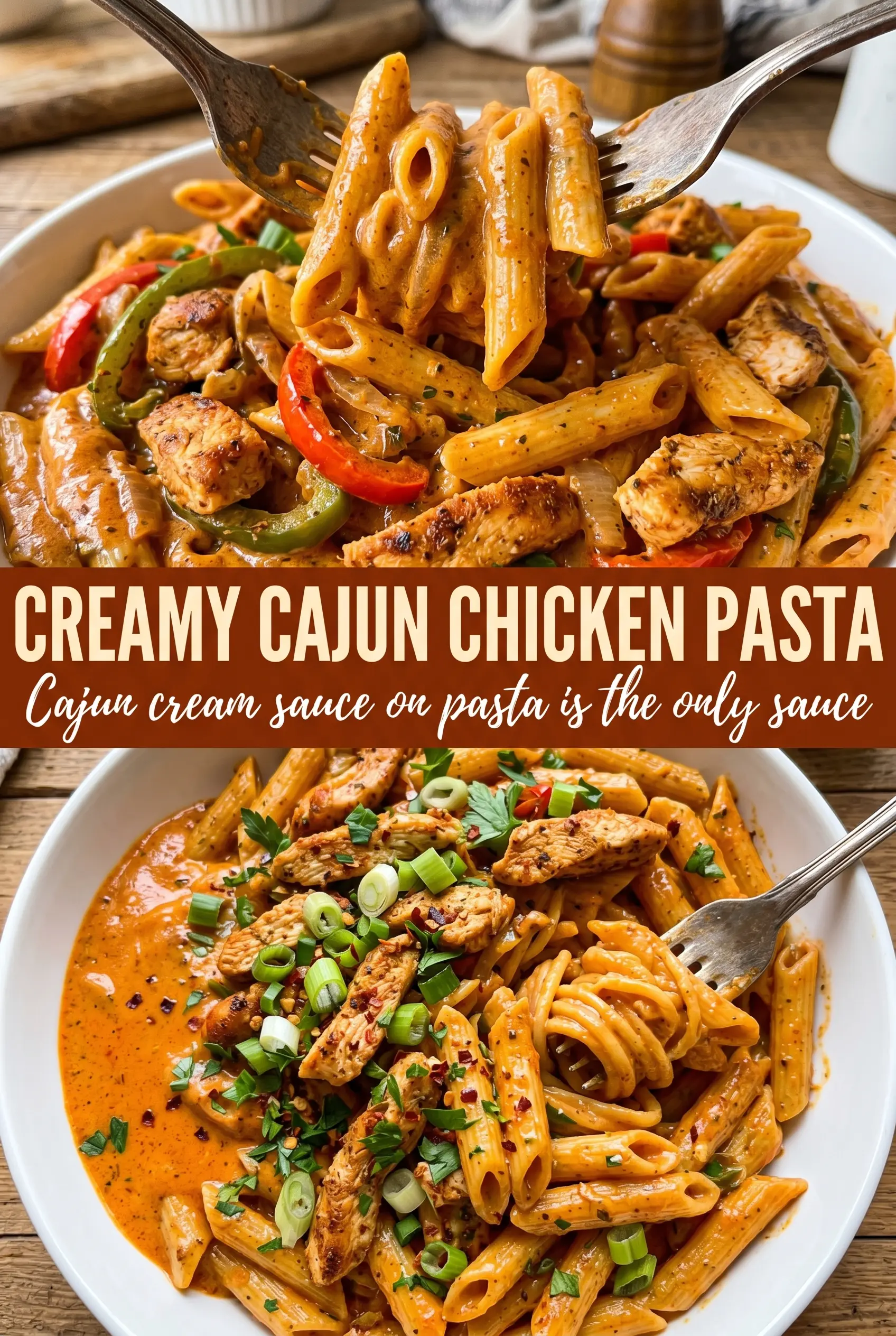
Creamy Cajun Chicken Pasta
Ingredients
Equipment
Method
- Bring a large pot of salted water to a boil, then cook penne until al dente. Reserve 1/2 cup pasta water, then drain.
- Toss chicken strips with 1 tablespoon Cajun seasoning to coat. Heat olive oil in a large skillet over high heat and sear the chicken for 4–5 minutes until deeply blackened and cooked; set aside.
- Melt butter in the same skillet, then sauté bell peppers for 3–4 minutes. Add garlic and remaining Cajun seasoning and cook for 1 minute.
- Pour in chicken broth and heavy cream, then simmer for 4–5 minutes until slightly thickened. Stir in parmesan until melted.
- Toss the drained pasta and sliced chicken with the sauce in the skillet, adding reserved pasta water as needed to loosen and coat. Serve topped with fresh parsley.