Glossy ramen noodles tangled with caramelized beef and a sticky soy-ginger sauce hit that sweet spot between fast and satisfying. The sauce clings to every strand instead of pooling at the bottom of the bowl, and the beef gets a deep savory edge from the high heat before the noodles go in. It eats like takeout, but it’s built from pantry ingredients and comes together in one skillet.
The trick is keeping the beef browned, not steamed, and giving the sauce just enough time to tighten once it hits the pan. Brown sugar, oyster sauce, soy sauce, and sesame oil make the base, but it’s the short blast of heat at the end that turns everything glossy and sticky. The noodles need to be cooked just shy of their final texture so they can finish absorbing the sauce without turning mushy.
Below, you’ll find the small details that matter here: how to keep the sauce balanced, when to add the garlic so it doesn’t burn, and what to change if you want to make it a little spicier or lighter.
The sauce got sticky in the skillet instead of watery, and the noodles soaked it up without getting soggy. My husband went back for seconds before I even sat down.
Sticky beef noodles with glossy ramen and caramelized soy-ginger sauce are perfect for pinning when you need a fast noodle dinner that actually clings to the noodles.
The Secret to Sticky Noodles Instead of Wet Ones
The difference between noodles that cling and noodles that go slick and soupy comes down to heat and timing. If the pan isn’t hot enough when the sauce goes in, the sugar stays loose and the liquids never reduce enough to coat the noodles. You want the beef already browned, the aromatics fragrant, and the sauce bubbling hard the moment the noodles hit the skillet.
Another common failure is overcooking the ramen before it ever reaches the pan. Ramen keeps softening once it’s tossed with the sauce, so pull it while it still has a little bite. That extra firmness gives the noodles enough structure to hold the sticky glaze instead of collapsing into a soft pile.
- High heat matters here — It helps the beef brown and pushes off moisture fast enough to concentrate the sauce.
- Brown sugar is doing more than sweetening — It helps the sauce tighten and gives the noodles that lacquered finish.
- Ramen noodles are the right shape — Their springy texture grabs sauce better than most thin pasta swaps.
What Each Ingredient Is Actually Doing in the Pan
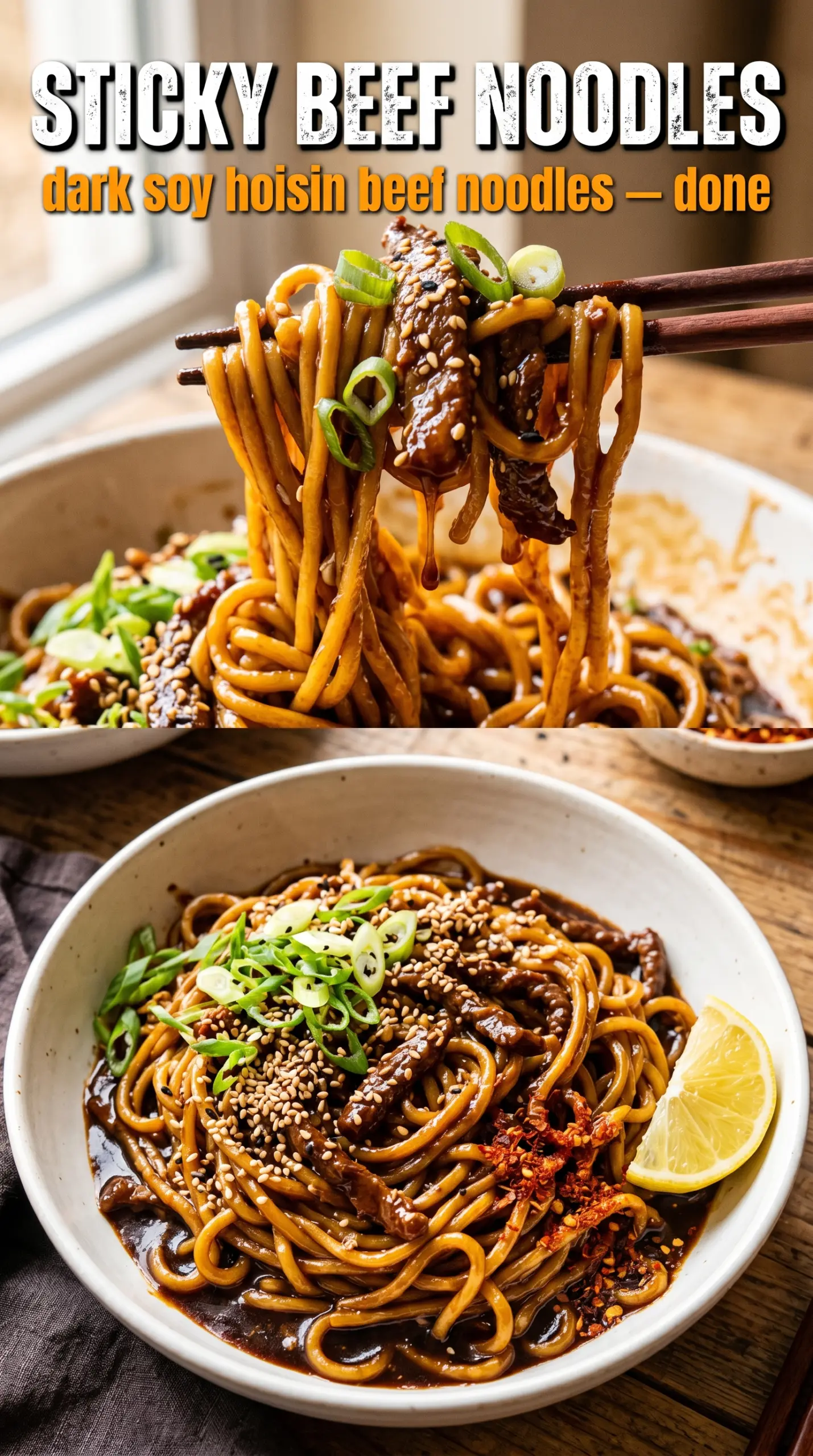
- Ground beef — Use an 80/20 or similar blend if you can. A little fat helps the meat brown and carries the sauce, but if you use a leaner package, leave a spoonful of fat in the pan instead of draining everything away.
- Ramen noodles — Discard the seasoning packets and cook the noodles just until tender. They should still have enough bite to finish in the sauce without turning limp.
- Soy sauce and oyster sauce — This pair builds the salty, savory backbone. Soy sauce brings salt and depth; oyster sauce adds body and a round, almost glossy richness that a substitute can’t fully match.
- Brown sugar — This is what gives the sauce its sticky edge. White sugar will sweeten it, but brown sugar adds a deeper note and helps the sauce cling better as it reduces.
- Sesame oil — Use the toasted kind for the best flavor. It goes in the sauce, not the hot pan, so its nutty aroma stays intact.
- Fresh garlic and ginger — Fresh is worth it here. Powdered versions won’t give you the sharp, fragrant hit that makes the beef taste finished.
- Sriracha — This adds a gentle burn and a little extra tang. You can use less if you want a softer finish, but don’t leave it out unless you’re replacing it with another source of heat.
Building the Skillet in the Right Order
Cook the Ramen First
Start the noodles before you touch the beef so they’re ready to go when the sauce is. Drain them well and don’t let them sit in water, or they’ll dilute the sauce and slump in the pan. If they’re a little underdone at this stage, that’s fine — they’ll finish in the skillet.
Brown the Beef Until It Has Edges
Put the beef into a hot skillet and leave it alone long enough to pick up color before breaking it apart. The goal is browned bits, not gray crumbles. If the pan is crowded or the heat is too low, the meat will steam and the final dish will taste flatter.
Wake Up the Garlic and Ginger
Add the garlic and ginger only after the beef is cooked through and the excess fat is drained. One minute is enough. Any longer and the garlic can turn bitter, especially in a hot skillet. You want the pan to smell sharp and fragrant before the sauce goes in.
Finish With a Fast Toss
Pour in the sauce, add the noodles, and keep everything moving over high heat for about 2 minutes. You’re looking for the sauce to shrink down and coat the noodles instead of sitting at the bottom. When the noodles look glossy and the beef is evenly glazed, pull the pan off the heat and serve right away.
How to Change This Without Losing the Sticky Finish
Make It Spicier
Add more sriracha or a pinch of red pepper flakes to the sauce. That keeps the heat inside the glaze instead of making the dish taste like plain hot noodles.
Use Ground Turkey or Chicken
This works well with lean poultry, but you’ll want to add a little neutral oil at the browning stage because it doesn’t render like beef. The flavor ends up lighter and a bit cleaner, so the sauce becomes even more important.
Make It Gluten-Free
Use gluten-free ramen or rice noodles and swap in a gluten-free soy sauce or tamari. Oyster sauce can be the tricky part, so check the label or use a gluten-free alternative that still has a similar savory depth.
Add Vegetables Without Diluting the Sauce
Thinly sliced bell peppers, shredded carrots, or snap peas work best because they cook quickly and don’t release much water. Toss them in after the beef browns so they soften slightly before the sauce goes in.
Storage and Reheating
- Refrigerator: Store leftovers in an airtight container for up to 3 days. The noodles will absorb more sauce as they sit, so the dish gets a little thicker.
- Freezer: I don’t recommend freezing this one. Ramen turns soft after thawing, and the sauce loses the fresh glossy texture that makes the dish work.
- Reheating: Warm it in a skillet over medium heat with a splash of water to loosen the sauce. Microwaving works in a pinch, but it tends to dry out the beef and make the noodles unevenly soft.
Answers to the Questions Worth Asking
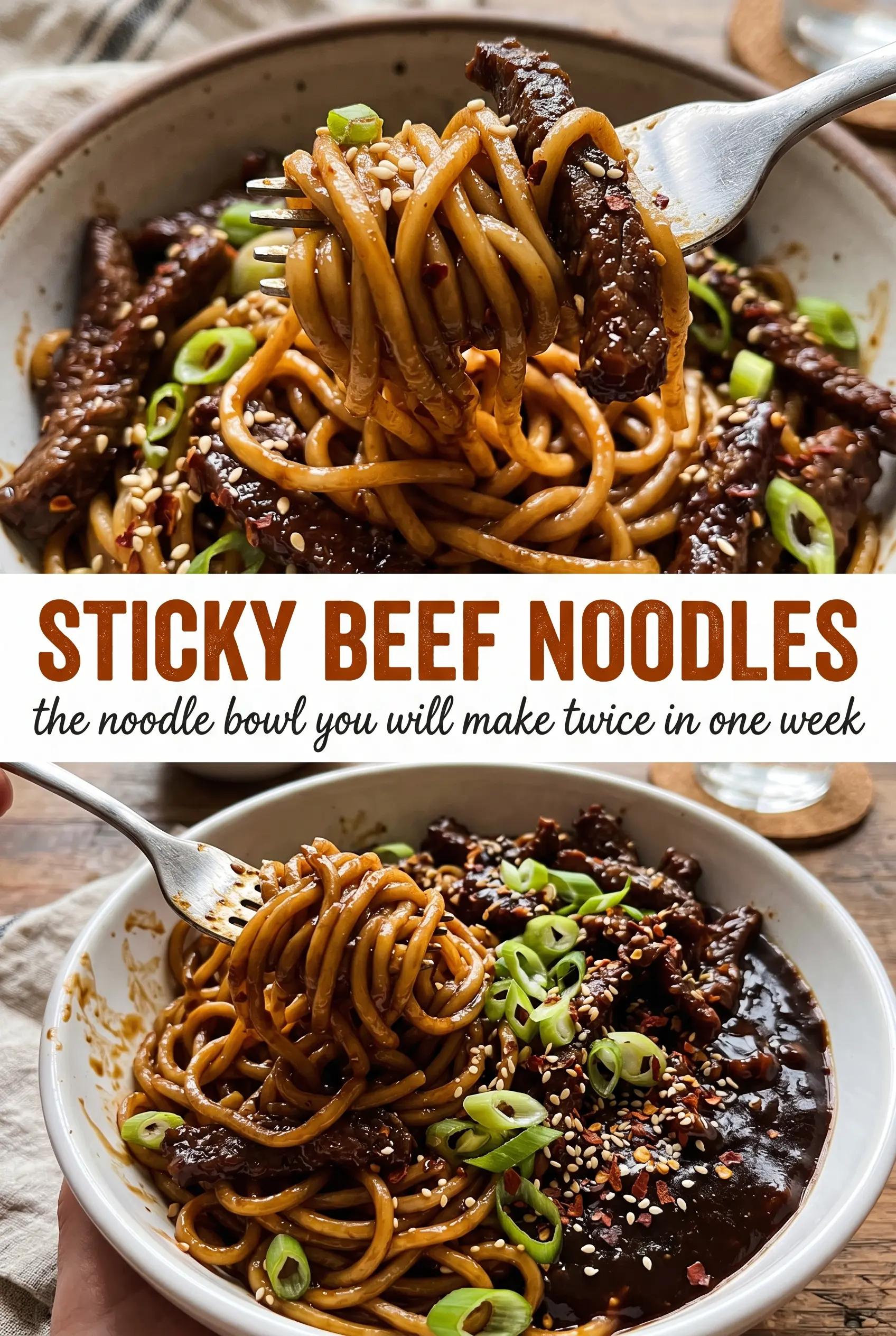
Sticky Beef Noodles
Ingredients
Equipment
Method
- Cook the ramen noodles according to package directions, discarding the seasoning packets, then drain and set aside for tossing later.
- Whisk together soy sauce, oyster sauce, brown sugar, sesame oil, rice vinegar, and sriracha until smooth and glossy.
- Brown the ground beef in a large skillet over high heat, breaking it into crumbles until browned, then drain excess fat.
- Add the minced garlic and grated ginger and cook for 1 minute over high heat until fragrant.
- Pour the sticky sauce over the beef and stir until the sauce starts to cling to the crumbles.
- Add the cooked noodles to the skillet and toss over high heat for 2 minutes until noodles are coated and the sauce looks absorbed and thick.
- Serve immediately and top with sesame seeds and sliced green onions for a fresh, crunchy finish.