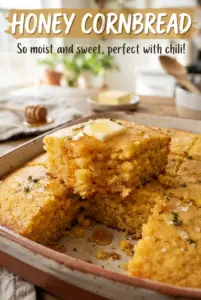
Golden fried rice off a hot Blackstone has the kind of texture you only get when the rice hits hard heat and stays there long enough to pick up little crispy bits. The eggs stay tender, the vegetables keep some bite, and the soy sauce coats every grain without turning the whole pan soggy. It’s the kind of quick dinner that disappears fast because it tastes like takeout, but fresher and with more control over the seasoning.
The key is starting with cold rice and giving it room on the griddle. Warm rice clumps and steams; cold rice loosens up and fries. I also like to scramble the eggs first and pull them aside before the rice goes on, which keeps them soft instead of burying them in the sauce and overcooking them. A little oyster sauce adds depth that plain soy sauce can’t give on its own, and sesame oil goes in at the end so it keeps its nutty smell.
Below, I’ve included the timing cues that matter most on a griddle, plus a few practical swaps for using what you already have in the fridge. Once you get the order down, this becomes one of those meals you can make without measuring much at all.
The rice got those crispy edges on the griddle and the eggs stayed fluffy instead of getting lost in the sauce. I used leftover rice from the night before and it came together in minutes.
Save this Blackstone fried rice for the nights when you’ve got cold rice and want a fast griddle dinner with crispy edges and fluffy eggs.
The Griddle Heat That Keeps Fried Rice From Turning Gummy
Blackstone fried rice fails for the same reason pan fried rice fails: the heat drops too fast. If the griddle isn’t hot enough when the rice goes on, it steams in its own moisture and starts to clump. High heat keeps the grains moving, dries the surface just enough for browning, and gives you that loose, restaurant-style texture instead of a soft, sticky pile.
Another thing that matters here is spacing. Crowding the center of the griddle traps steam, so push the rice out into a thinner layer as it cooks. The rice should look drier and a little toasted at the edges before the sauce goes in. If it still looks wet when you add soy sauce and oyster sauce, it won’t absorb cleanly.
What Each Ingredient Is Doing on the Griddle
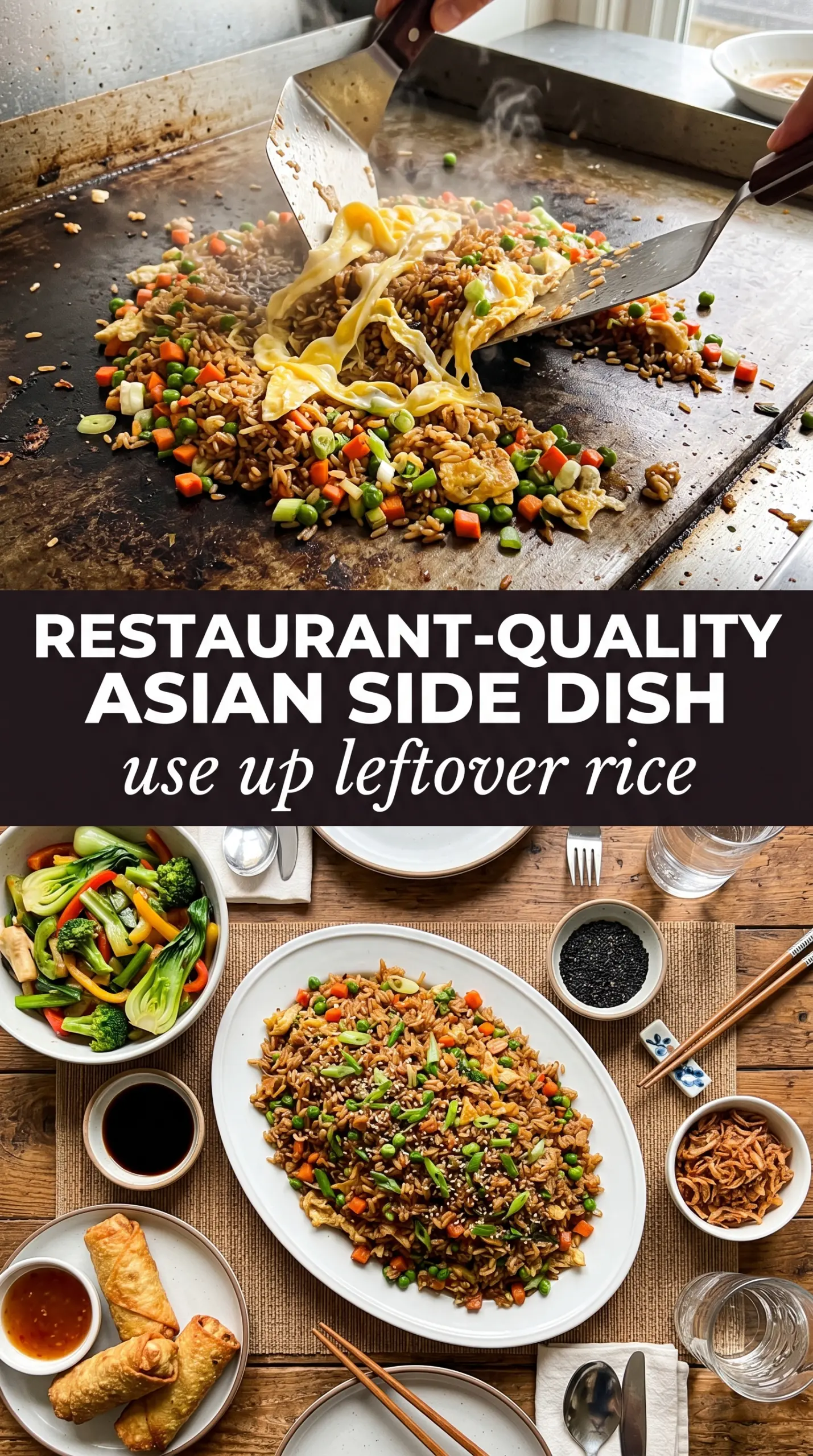
- Cold cooked rice — This is the backbone of the dish. Fresh rice is too soft and steamy; day-old rice has a drier surface that fries instead of mashing. If yours is freshly made, spread it on a tray and chill it until it feels firm.
- Oyster sauce — This adds the round, savory depth that makes the rice taste finished. Soy sauce brings salt and color, but oyster sauce gives the dish body and a little gloss. If you don’t have it, use a small splash of hoisin plus a touch more soy sauce, knowing the result will be sweeter.
- Sesame oil — This is a finishing ingredient, not a cooking oil. It brings the nutty aroma that reads as fried rice the second it hits the pan. Add it near the end so it doesn’t cook off.
- Frozen peas and carrots — Frozen vegetables work well because they’re already cut and they hold up to the heat. Don’t thaw them first; they’ll dump extra moisture onto the griddle. Toss them in straight from the freezer and let the heat handle the rest.
- Eggs — Scrambling them first keeps them soft and distinct. If you add them too late or pour them into a crowded pile of rice, they can turn into small rubbery bits instead of tender pieces throughout the dish.
The Order That Builds Flavor Without Burning the Garlic
Scrambling the Eggs First
Heat the griddle until a drop of oil shimmers immediately, then cook the beaten eggs just until they’re set and still glossy. They’ll finish later when you mix everything together, so pull them early instead of chasing a deep brown color. If the eggs sit on the hottest part of the griddle too long, they dry out and lose the soft texture you want in the finished rice.
Cooking the Vegetables Before the Rice
Add the onions, peas, and carrots after the eggs come off to the side. The onions should soften and smell sweet, while the vegetables stay bright and hot. This step gives the rice something to fry in besides plain oil, and it keeps the vegetables from tasting raw underneath the seasoning.
Frying the Rice and Seasoning at the End
Add the cold rice and break up the clumps with two spatulas, pressing and tossing until it turns loose and hot. Let it sit against the griddle for short stretches so it can pick up a little color. Garlic goes in near the end because it burns fast, and the soy sauce, oyster sauce, and sesame oil should hit the rice only after it’s hot enough to absorb them without turning soggy.
Bringing Everything Back Together
Fold the eggs and green onions into the rice once the grains are evenly coated and the sauce has disappeared into the pan instead of pooling at the bottom. Taste before serving, since soy sauce can vary in saltiness and the rice may need a pinch more salt or pepper. The finished dish should look glossy, smell nutty from the sesame oil, and stay loose when you scoop it.
How to Adapt This for Different Fridges and Different Diets
Gluten-Free Version
Use a gluten-free soy sauce or tamari and check that your oyster sauce is labeled gluten-free. The flavor stays close to the original, but tamari tends to taste a little smoother and less sharp than standard soy sauce.
Vegetarian Swap
Replace the oyster sauce with vegetarian mushroom stir-fry sauce or a mix of soy sauce and a small spoonful of hoisin. You’ll lose a little briny depth, but you’ll still get a dark, savory coating that works well with the eggs and vegetables.
Using Fresh Rice Instead of Leftovers
Spread freshly cooked rice on a tray in a thin layer and chill it until it’s cool and a little firm, at least 30 minutes if you’re in a hurry. That step matters because warm rice traps steam and turns heavy on the griddle.
Storage and Reheating
- Refrigerator: Store in an airtight container for 3 to 4 days. The rice will firm up a little as it chills, which is normal.
- Freezer: It freezes well for up to 2 months. Portion it flat in freezer bags or containers so it reheats evenly.
- Reheating: Reheat in a skillet or on the griddle with a small splash of water or oil over medium heat. The biggest mistake is blasting it in the microwave until the eggs turn rubbery and the rice dries out at the edges.
The Questions I Get Asked About This Recipe
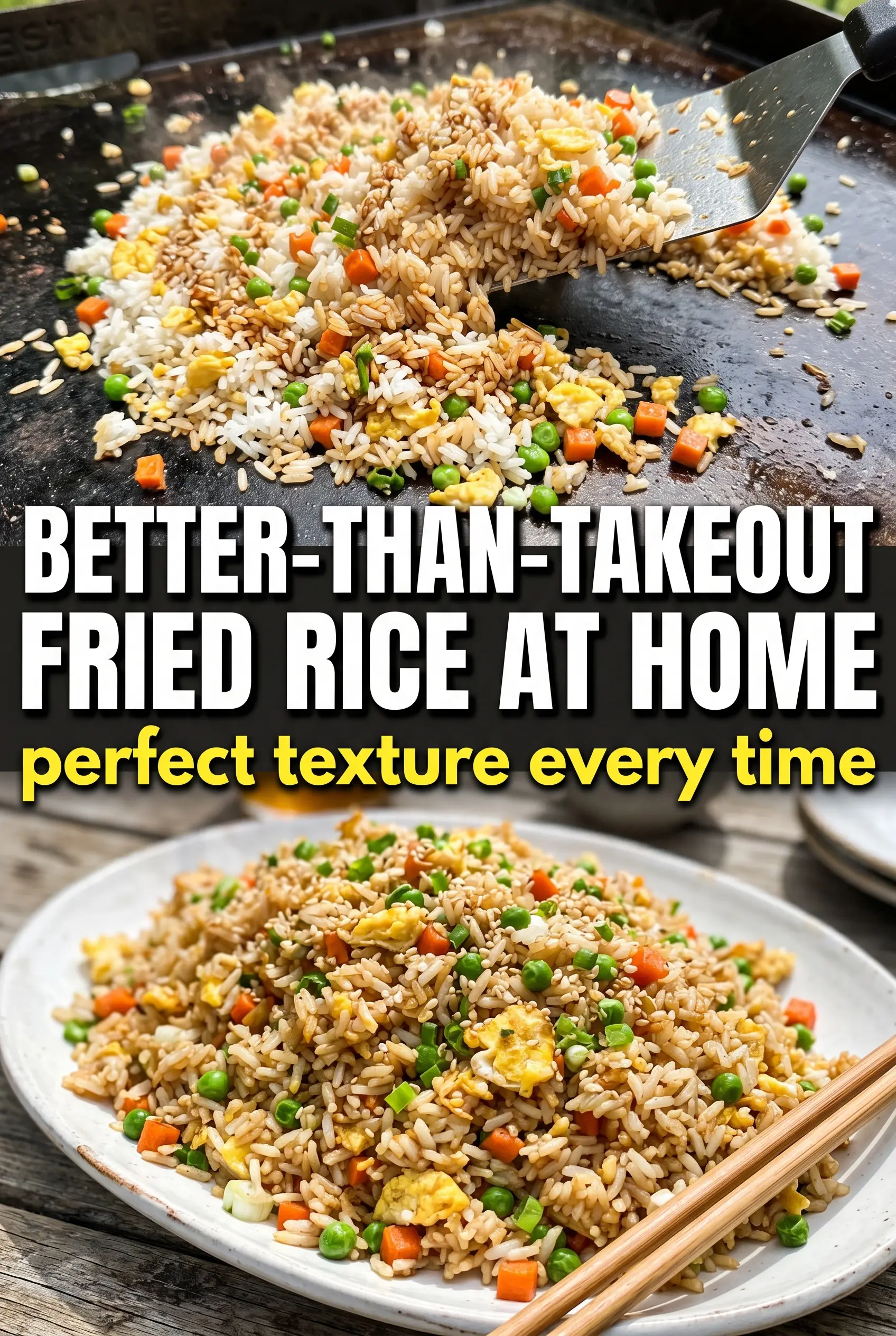
Blackstone Fried Rice
Ingredients
Equipment
Method
- Heat the Blackstone griddle to high heat and add 2 tablespoons oil. Pour the beaten eggs onto the griddle and scramble until just cooked, then move them to the side.
- Add the remaining oil and cook the onions, peas, and carrots for 3-4 minutes, stirring so they heat through and soften.
- Add the cold rice and break up any clumps with spatulas, cooking for 5-6 minutes until the grains separate and start to toast.
- Add the garlic, soy sauce, oyster sauce, and sesame oil, tossing everything together until evenly coated.
- Mix in the scrambled eggs and green onions, season with salt and pepper, and serve hot.