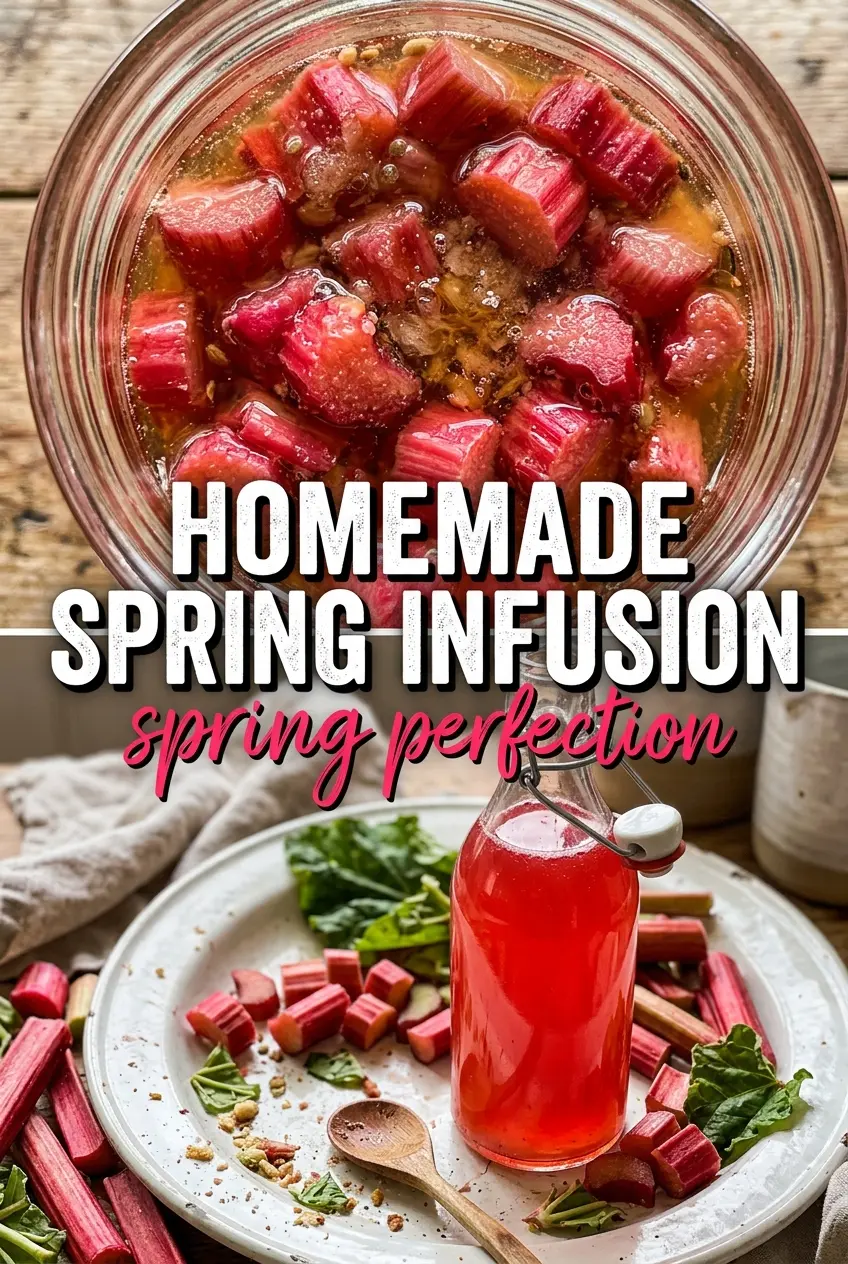
Rhubarb liqueur turns that sharp, pink-edged spring stalk into something silkier, rounder, and far more useful than a one-note infusion. The finished bottle lands somewhere between fruit liqueur and cordial: sweet-tart, gently vanilla-scented, and clear enough to pour over ice or shake into a cocktail without clouding the glass.
What makes this version work is the balance. Rhubarb brings acidity and color, vodka carries the flavor without getting in the way, and the vanilla bean softens the edges so the final liqueur tastes layered instead of sour. The lemon zest lifts the fruit, but it stays in the background; too much zest and the rhubarb disappears.
The steps below walk through the two-week infusion, the simple syrup, and the straining stage that keeps the liqueur bright. I’ve also included storage notes and a few variations so you can adjust the sweetness or make a low-sugar version without losing that clean rhubarb finish.
The rhubarb flavor came through beautifully, and the vanilla made it taste smooth instead of sharp. I strained it really well and it poured clear with that pretty pink color I was hoping for.
Save this rhubarb liqueur for a sweet-tart homemade sip with vanilla depth and a beautiful pink color.
The Infusion Time That Gives Rhubarb Its Color Without Turning Bitter
Rhubarb needs time in alcohol, but it doesn’t want forever. A week is enough to pull out the pink color and tart flavor before the alcohol starts flattening the fresh, bright edge that makes this liqueur worth making. If you leave the rhubarb in much longer, the result can drift toward dull and woody instead of lively.
The daily shake matters because it keeps the sugar and flavor moving through the jar and helps the vodka reach every piece of rhubarb. Use a cool, dark place, not a sunny counter. Heat and light work against you here, especially when you want that clean fruit color to stay intact.
What Each Ingredient Is Actually Doing In This Liqueur
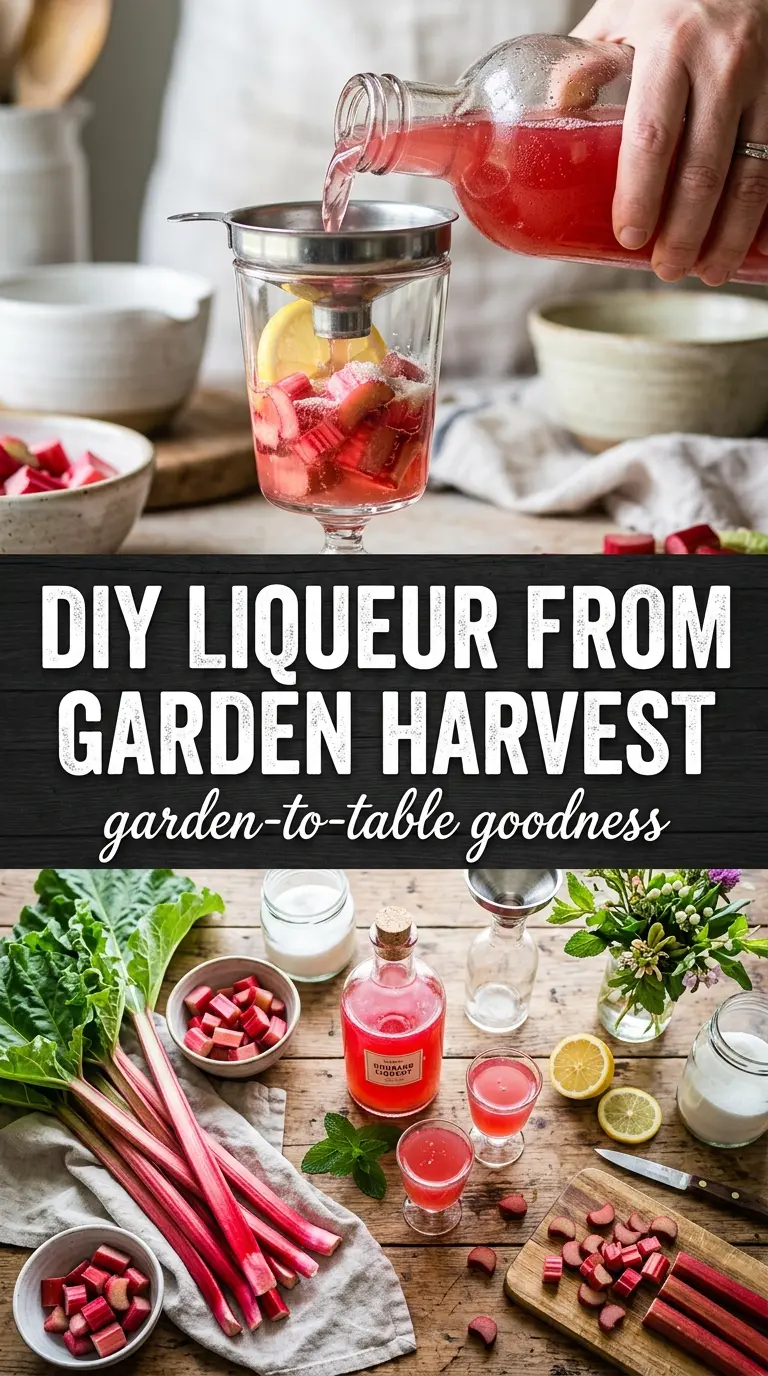
- Fresh rhubarb — This is the flavor and color base. Fresh stalks give you the cleanest tartness and the prettiest pink tone; frozen rhubarb can work, but it tends to break down faster and gives a slightly softer finish.
- Vodka — A neutral spirit is the right tool here because it carries the rhubarb without adding competing flavors. Use a decent mid-range vodka if you can; the difference shows up in the smoothness of the final pour.
- Sugar — This rounds out the sharp edges and turns the infusion into a liqueur instead of a tart tincture. If you cut the sugar too much, the rhubarb can taste thin and aggressive after aging.
- Vanilla bean — Vanilla softens the acidity and gives the liqueur a warmer, more polished finish. Extract won’t give the same layered result, and it can taste flatter in an infused spirit.
- Lemon zest — The zest adds lift, not sourness. Keep the zest thin and avoid the white pith, or the bitterness will show up after the infusion has rested.
Straining, Sweetening, and Bottling Without Clouding the Finish
Building the Infusion Base
Combine the chopped rhubarb, vodka, split vanilla bean, and lemon zest in a large glass jar. The rhubarb should be submerged as much as possible, so use a jar that gives the ingredients room without leaving too much air at the top. Seal it tightly and keep it in a cool, dark place for a week, shaking it once a day. If the jar sits warm, the fruit can taste cooked before the infusion is done.
Cooking the Syrup
After the first week, make the simple syrup with the sugar and water in a saucepan. Bring it just to a boil and stir until the sugar disappears, then take it off the heat right away. You’re not trying to reduce it; you’re just dissolving the sugar cleanly so the liqueur stays balanced and doesn’t pick up a burnt edge. Let the syrup cool completely before it touches the alcohol.
Straining and Combining
Strain the rhubarb mixture through a fine mesh strainer into the cooled syrup, pressing gently only if you want a little extra color. Don’t mash the fruit hard, or the liqueur can turn cloudy and pulpy. Stir until the mixture is even, then bottle it in clean glass containers. At this stage it will taste good, but the flavors still need time to settle.
The Final Rest
Let the bottled liqueur age for another week before serving. That second rest smooths out the edges, marries the syrup to the infusion, and gives you a cleaner finish in the glass. If you sample it too early, the alcohol can seem sharper than it will after aging. The flavor really comes together once it has had that extra quiet time.
Three Ways to Adjust Rhubarb Liqueur Without Losing the Character
Less Sweet, More Tart
Cut the sugar by 1/4 cup if you want the rhubarb to stay more assertive. The liqueur will taste brighter and a little leaner, which works well for cocktails, but it won’t have the same rounded dessert-like finish.
Vanilla Bean Substitute
Use 1 teaspoon vanilla extract if you don’t have a vanilla bean, but add it after the syrup has cooled. The flavor won’t be as deep or aromatic, yet it still softens the rhubarb enough to keep the liqueur from tasting too sharp.
Gluten-Free and Naturally Dairy-Free
This recipe is naturally gluten-free and dairy-free as written, as long as your vodka is a plain distilled spirit without added flavorings. That makes it an easy base for guests with common dietary restrictions without changing the texture or finish.
Rhubarb-Lemon Lift
If your rhubarb is very mild, add a little extra lemon zest, but keep it to a light hand. The goal is brightness, not a lemon liqueur with rhubarb in the background.
Storage and Reheating
- Refrigerator: Store for up to 6 months in a sealed bottle. The flavor stays steady, though the color may deepen slightly over time.
- Freezer: Freezing isn’t necessary and can make the texture less pleasant once thawed, so refrigeration is the better choice.
- Reheating: Not applicable. Serve chilled, over ice, or mixed into cocktails. If it tastes flat after chilling, let it sit at room temperature for a few minutes rather than heating it.
Questions I Get Asked About This Recipe
Rhubarb Liqueur
Ingredients
Equipment
Method
- Combine chopped rhubarb and vodka in a large glass jar, then add the split vanilla bean and lemon zest.
- Seal the jar and let it infuse in a cool, dark place for 1 week, shaking daily so the rhubarb stays in contact with the vodka.
- Combine sugar and water in a saucepan and bring to a boil over medium heat, stirring until the sugar fully dissolves.
- Turn off the heat and let the simple syrup cool completely before straining.
- Strain the rhubarb mixture through a fine mesh strainer into the cooled syrup, then stir to combine until evenly pink-tinted.
- Bottle the liqueur, seal tightly, and let it age for another week to round out the sweet-tart flavor.
- Store the bottled liqueur in the refrigerator and use within 6 months for cocktails or as a digestif.