Thick rhubarb jam over a buttery shortbread base gives these bars the kind of contrast that keeps people coming back for a second piece. The crust stays tender and sandy, the rhubarb bakes down into a bright, glossy layer, and the whole pan slices cleanly once it’s fully chilled. That balance of crumbly bottom and jammy top is what makes these bars feel polished instead of messy.
The key is starting with cold butter for the shortbread and pressing it in firmly enough that it bakes into a solid base without getting tough. The rhubarb layer gets cooked twice: first on the stove to break down the fruit, then briefly in the oven to set the filling and drive off extra moisture. That second bake is what keeps the bars from weeping when you cut them.
Below you’ll find the small details that matter most, including how thick the filling should look before it goes on the crust and what to expect if your rhubarb is especially tart or juicy.
The rhubarb layer set up beautifully and the shortbread stayed crisp underneath even after chilling overnight. I loved how cleanly the bars cut after the 2-hour rest.
Save these rhubarb shortbread bars for when you want a crisp base, a thick pink filling, and neat slices that look bakery-made.
The Trick to Keeping the Rhubarb Layer Thick Instead of Runny
Rhubarb is full of water, and that’s what can turn a good bar into a soggy one. The first stove-top cook pulls moisture out of the fruit and starts the softening process, but the filling still needs to look almost too thick before it goes onto the crust. If it spreads like loose jam in the pan, it’s not ready yet.
The cornstarch does the real set-up work here, but it only works after the fruit has broken down and the sugar has dissolved. If you add it too early, you get a starchy taste and a filling that never turns smooth. Cook until the mixture mounds on a spoon and leaves a clear trail for a moment when you drag the spoon through the pan.
What Each Ingredient Is Actually Doing in These Bars

- Cold butter — This is what gives the shortbread its clean, sandy bite. Cold butter cut into the flour creates little pockets that bake into a tender crust instead of a dense one.
- Powdered sugar — In the crust, it melts smoothly and keeps the texture fine and delicate. Granulated sugar works in a pinch, but the bars won’t have that same soft shortbread feel.
- Fresh rhubarb — Fresh stalks break down into a bright, tart filling with the right amount of structure. Frozen rhubarb can work, but thaw and drain it first or the filling will need extra cooking time.
- Cornstarch — This is what turns the cooked fruit into a sliceable layer. There isn’t a perfect substitute here if you want the same glossy, clean-cut result.
- Powdered sugar for dusting — It’s optional, but it softens the sharp pink color and gives the finished bars that classic bakery look.
Building the Crust, Filling, and Final Bake Without a Soggy Bottom
Pressing the Shortbread Base
Mix the flour, powdered sugar, and salt, then cut in the cold butter until the mixture looks like coarse crumbs with some pea-sized bits still visible. That texture matters. If you overwork it into a paste, the crust turns dense instead of tender. Press it evenly into the parchment-lined pan and bake until the top looks pale gold at the edges, not browned all over.
Cooking the Rhubarb Until It Thickens
Stir the rhubarb, sugar, and water together over medium heat until the fruit softens and starts to collapse. Then add the cornstarch slurry and keep cooking until the filling turns glossy and noticeably thick. If it still pours like sauce, it needs more time on the stove; the oven alone won’t fix a loose filling.
Spreading and Setting the Bars
Spoon the hot rhubarb over the hot crust and spread it to the corners while both layers are still warm. Return the pan to the oven so the filling can finish setting without drying out the shortbread. The bars need to cool completely before chilling, and that full rest is what gives you clean squares instead of sticky edges.
Make It Gluten-Free Without Losing the Shortbread Feel
Use a 1:1 gluten-free flour blend that includes xanthan gum. The crust will still be buttery and sliceable, though it may be a little more fragile when warm, so let it chill fully before cutting.
Add Orange Zest for a Brighter Finish
A teaspoon or two of finely grated orange zest in the rhubarb layer lifts the tartness and makes the fruit taste a little rounder. It doesn’t change the structure, but it gives the bars a more fragrant, bakery-style finish.
Use Strawberry for a Sweeter Jam Layer
Swap up to half the rhubarb for diced strawberries if you want a softer, sweeter filling. The bars will lose some of that sharp rhubarb edge, but the texture stays the same and the color turns even more vivid.
Storage and Reheating
- Refrigerator: Store in an airtight container for up to 5 days. The crust stays firm and the filling actually slices better after a day in the fridge.
- Freezer: These freeze well. Wrap the cut bars tightly and freeze for up to 2 months, then thaw in the refrigerator so the filling doesn’t weep.
- Reheating: These are best served chilled or at room temperature, not warmed. If you do want to take the edge off the chill, let them sit on the counter for 15 to 20 minutes instead of microwaving, which softens the crust and makes the filling run.
Questions I Get Asked About This Recipe
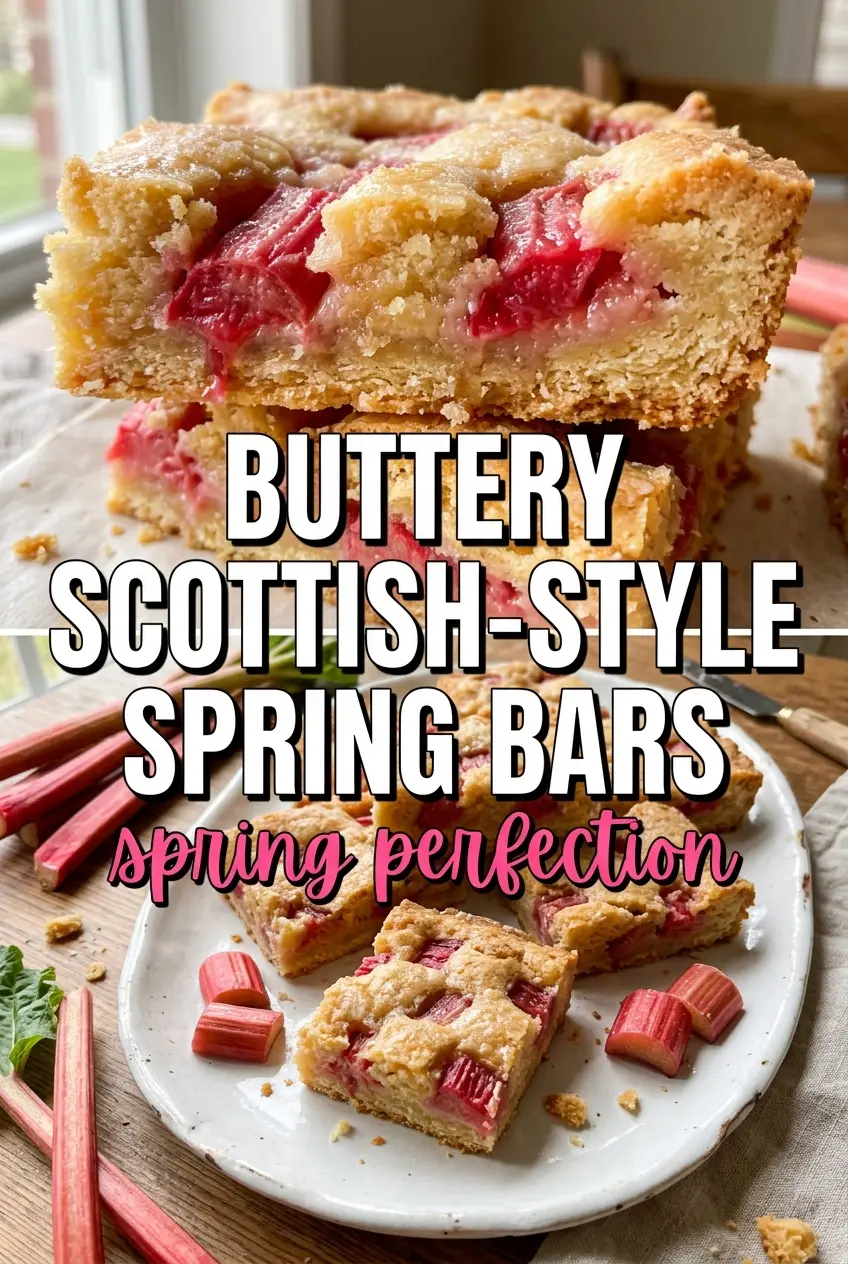
Rhubarb Shortbread Bars
Ingredients
Equipment
Method
- Preheat the oven to 350°F and line a 9x13-inch pan with parchment paper. This prevents sticking so the bars release cleanly.
- Mix all-purpose flour, powdered sugar, and salt, then cut in cold butter until the mixture looks crumbly. Press the crumbs evenly into the prepared pan to form a flat base.
- Bake the shortbread for 25 minutes, until lightly golden at the edges and set in the center. Look for a firm crust with pale golden color.
- Simmer diced fresh rhubarb with sugar and water until very soft and thick, about 15 minutes. The mixture should lose most of its sharp rhubarb bite and look glossy.
- Mix cornstarch with a little water, then stir it into the rhubarb mixture and cook until very thick. Remove from heat when it holds shape like jam.
- Spread the thick rhubarb mixture over the hot shortbread crust. Use an even layer so the bars slice with consistent thickness.
- Return the pan to the oven and bake for 15 to 20 minutes more. Bake until the top looks slightly set and the rhubarb layer appears glossy but firm.
- Cool completely, then refrigerate for 2 hours so the bars fully set. The surface should feel firm when pressed lightly.
- Dust with powdered sugar and cut into bars. For clean edges, cut after chilling and wipe the knife between slices.