Silky butternut squash sauce clings to rigatoni in a way that feels rich without turning heavy, and the sausage gives it the kind of savory backbone that keeps everyone coming back for another forkful. The spinach folds in at the end and softens just enough to balance the sweetness of the squash, while parmesan pulls everything into a glossy, spoon-coating finish.
What makes this version work is the order. The sausage browns first, which leaves flavorful bits in the pan for the onion and garlic to pick up, and the squash puree gets a short simmer with cream before the cheese goes in. That keeps the sauce smooth instead of grainy. The reserved pasta water is the other quiet hero here; it loosens the sauce just enough to wrap around the pasta instead of sitting at the bottom of the bowl.
Below, I’m breaking down the little choices that matter most, from keeping the sauce from turning pasty to the best way to swap ingredients without losing that creamy finish.
The sauce turned out velvety and coated every piece of pasta, and the hint of nutmeg made the squash taste deeper without getting sweet.
Creamy Butternut Squash Pasta With Sausage And Spinach is the kind of dinner that keeps the sauce glossy and the pasta coated every time.
The Reason This Sauce Stays Smooth Instead of Turning Grainy
Squash sauce can go wrong in two common ways: it can taste flat, or it can break once the cheese goes in. The fix here is to build the sauce gently and give each part time to blend before adding the next. Browning the sausage first leaves seasoned fat in the skillet, and that base gives the onion and garlic a head start without needing extra butter or oil.
The other key move is keeping the heat moderate when the cream and parmesan go in. If the sauce boils hard after the cheese is added, it can turn grainy or greasy. A low simmer gives the squash puree time to loosen and the parmesan time to melt into the sauce instead of clumping.
- The sausage drippings carry most of the flavor, so don’t wipe out the pan after browning.
- The squash puree gives body and color; canned puree works fine if it’s plain butternut squash, not pie filling.
- The pasta water matters because the starch helps the sauce cling. Without it, the sauce can feel thick in the pan but dry on the plate.
- Nutmeg sounds small, but it makes the squash taste rounder and less one-note.
What Each Ingredient Is Actually Doing In This Dish
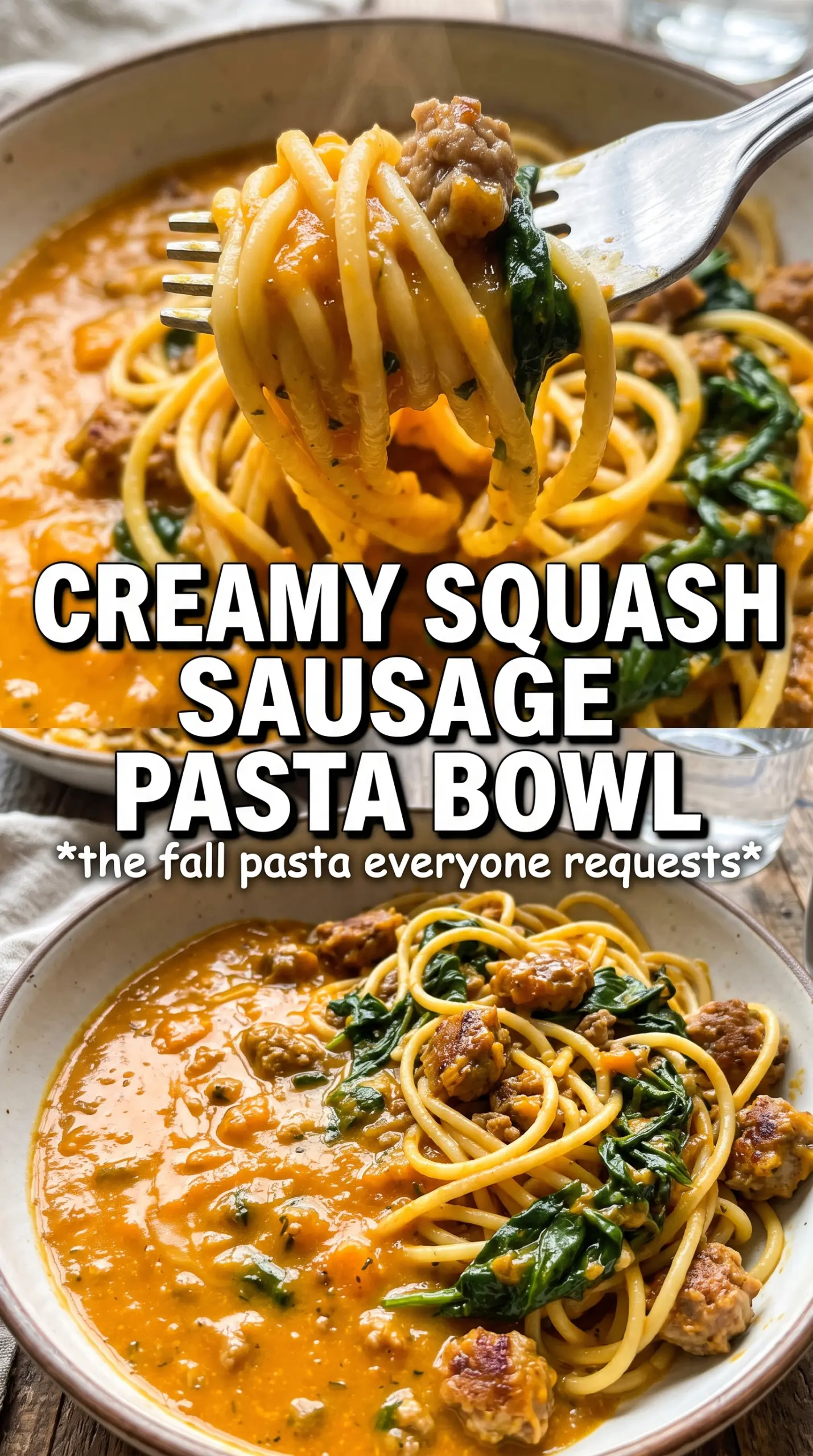
- Butternut squash puree — This is the body of the sauce. It brings sweetness, thickness, and that deep orange color. Homemade or canned both work, but use plain puree with no seasoning so you control the salt and spice.
- Heavy cream — Cream smooths out the squash and gives the sauce its silky finish. Half-and-half will work in a pinch, but the sauce will be thinner and less stable.
- Italian sausage — This is the savory anchor. Mild or hot both work, but sausage with good fat content creates better browning and more flavor in the pan.
- Parmesan — Parmesan adds salt, umami, and helps thicken the sauce. Grate it fresh if you can; pre-shredded cheese often melts less smoothly because of anti-caking agents.
- Rigatoni or penne — Tubes hold the sauce inside and outside, which makes every bite feel coated. Any short pasta with ridges will do the job well.
- Spinach — It wilts fast and cuts through the richness. Add it at the end so it stays green and tender instead of turning dull and stringy.
Building The Pasta So Every Piece Gets Coated
Brown The Sausage First
Cook the sausage in a large skillet until it has real color on the edges, not just until it turns gray. Those browned bits are part of the sauce, so leave them behind in the pan. If the sausage releases a lot of fat, drain the excess, but keep enough to cook the onion. That little bit of fat carries the spices and helps the vegetables soften with more depth.
Cook Down The Onion And Garlic
Add the diced onion to the same skillet and let it soften until it looks translucent and smells sweet, about 4 minutes. Garlic goes in after that and only needs a short cook; if it starts to brown hard, it can turn bitter in the finished sauce. Stir in the Italian seasoning while the garlic is warm so the herbs bloom in the fat instead of tasting dusty.
Turn The Squash Into Sauce
Stir in the butternut squash puree and cream, then add the nutmeg and red pepper flakes. Keep the heat low enough that the mixture simmers gently, not rapidly. You want the sauce to look smooth and thick, with small lazy bubbles around the edges. When the parmesan goes in, stir until it melts completely before adding the pasta.
Finish With Pasta Water And Spinach
Add the cooked pasta and a splash of reserved pasta water, then toss until the sauce looks glossy and loose enough to coat every ridge. If it seems tight, add another small splash of pasta water instead of more cream. Stir in the spinach last; it should wilt in a minute or two from the heat of the sauce. Return the sausage to the pan and season at the very end so you can judge the salt after the parmesan has done its work.
How To Adapt This For A Lighter Bowl Or A Different Pantry
Dairy-Free Version
Swap the heavy cream for unsweetened coconut cream or an unsweetened cashew cream, and use a dairy-free parmesan-style cheese if you have one that melts well. The sauce will still be creamy, but it will taste slightly less sharp and less salty unless you season carefully at the end.
Lighter Sausage Swap
Use chicken sausage or turkey sausage if you want less richness. You’ll lose some of the savory fat that helps the sauce, so keep a tablespoon of olive oil in the pan and don’t skip the parmesan.
Gluten-Free Dinner
Use your favorite gluten-free short pasta and pull it from the water while it still has a little firmness. Gluten-free pasta can go soft fast once it hits the sauce, so toss it right away and serve it hot.
Make It Vegetarian
Skip the sausage and brown mushrooms in its place for a deeper, meaty feel. Add a pinch more Italian seasoning and a little extra parmesan to keep the sauce from tasting too sweet once the sausage is gone.
Storage and Reheating
- Refrigerator: Store leftovers in an airtight container for up to 4 days. The sauce will thicken as it chills.
- Freezer: This freezes well for up to 2 months, though the cream sauce may separate a little when thawed. Freeze in portions and stir well after reheating.
- Reheating: Warm gently on the stove over low heat with a splash of water or milk. High heat is the usual mistake here; it can make the sauce oily and cause the pasta to turn mushy before the center is hot.
Answers To The Questions Worth Asking
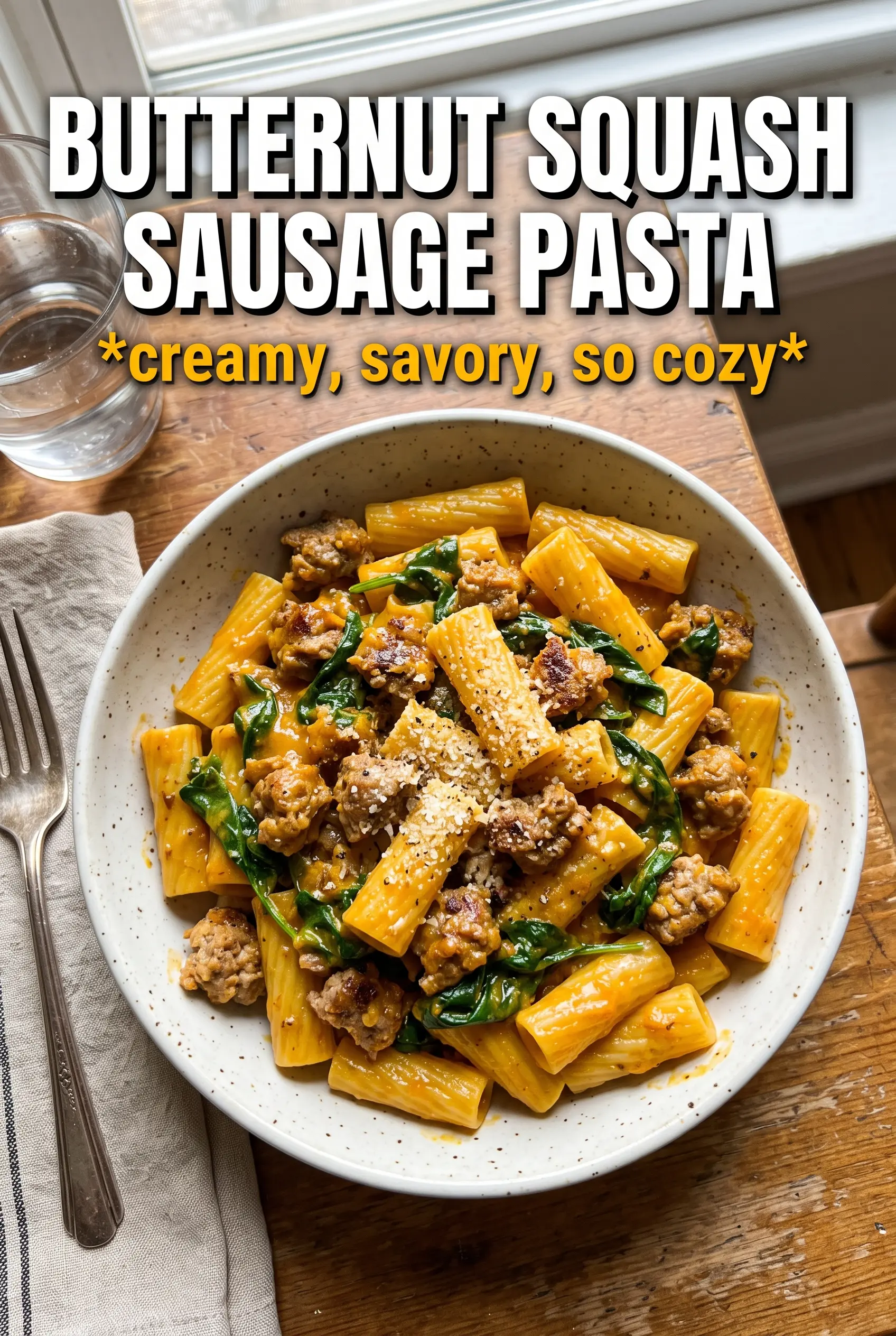
Creamy Butternut Squash Pasta With Sausage And Spinach
Ingredients
Equipment
Method
- Bring a pot of salted water to a boil and cook rigatoni or penne until al dente, 8-10 minutes. Reserve 1/2 cup pasta cooking water before draining.
- Brown Italian sausage, casings removed in a large skillet over medium-high heat until no longer pink, about 8-10 minutes. Drain off the fat and set the sausage aside.
- Sauté onion in the same skillet for 4 minutes over medium heat, stirring until softened. Add garlic and Italian seasoning and cook for 2 minutes, until fragrant.
- Stir in butternut squash puree and heavy cream, mixing until smooth. Add nutmeg and red pepper flakes and stir to combine.
- Simmer the sauce for 5 minutes, stirring occasionally. Add parmesan, grated and stir until the sauce turns glossy and smooth.
- Add the drained pasta and reserved pasta cooking water to the skillet and toss until the pasta is coated, 1-2 minutes. Add baby spinach and toss until just wilted.
- Return the cooked sausage to the pan and season with Salt and pepper to taste. Toss again for 30-60 seconds so everything is evenly distributed.