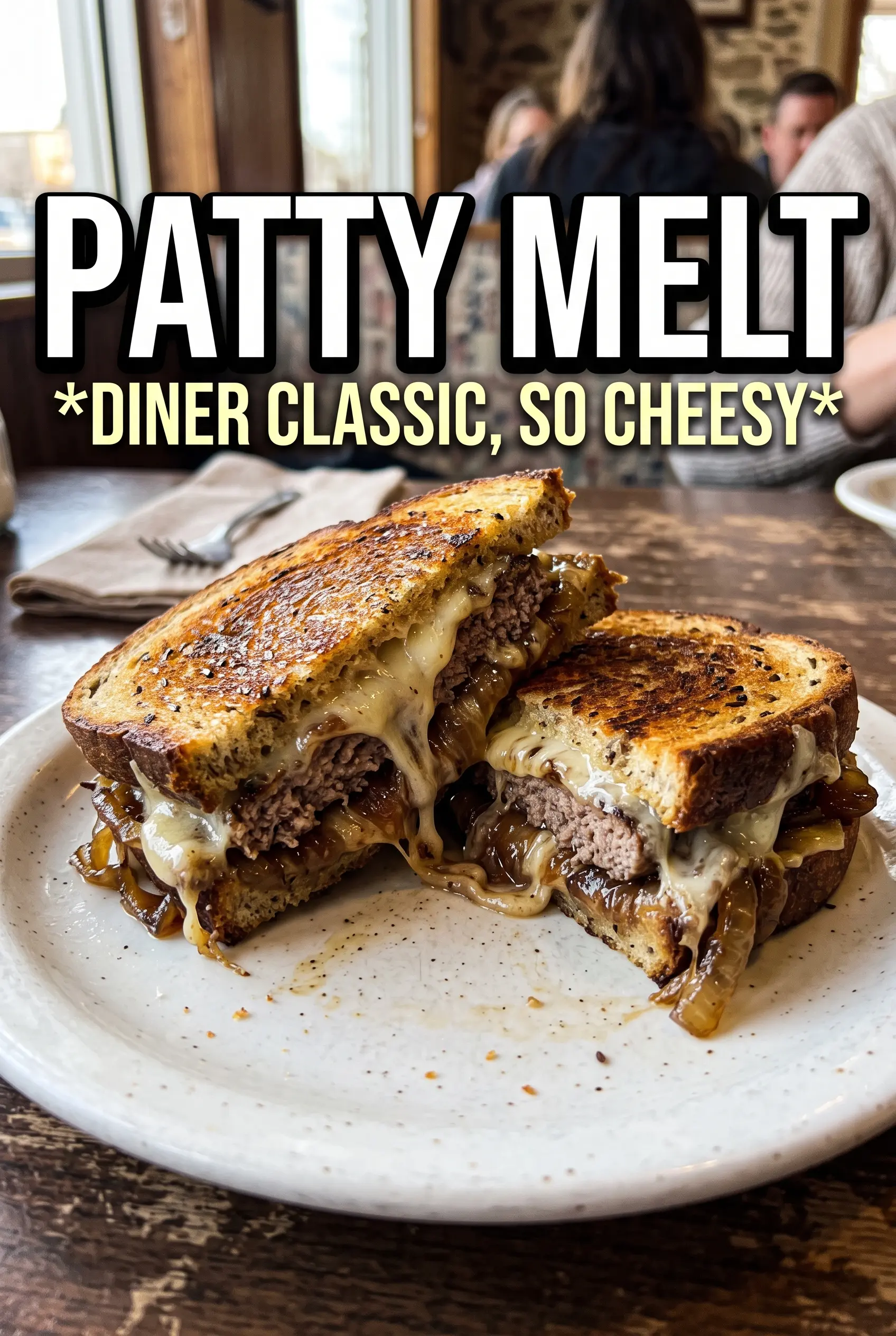
Golden rye, a thin crusty beef patty, and a ribbon of melted cheese are what make a patty melt worth putting on repeat. The best version has a crisp, buttery exterior that stays sturdy enough to hold the onions and sauce, while the center turns juicy and almost drippy once the cheese melts through everything. When it’s done right, each bite tastes like a diner grilled cheese met a smash burger and decided to stay together forever.
What makes this version work is the order. The onions get cooked slowly first, until they turn sweet and jammy, so they don’t steam the bread or fight with the beef. Then the patties hit a very hot skillet and are smashed thin, which gives you that browned crust before the cheese goes on. Rye bread matters here too; it has enough flavor to stand up to the beef and onions without going soggy.
Below, I’m walking through the little details that keep the sandwich crisp instead of greasy, plus the couple of swaps that still make sense if you’re building this with what’s already in the fridge.
The onions got perfectly sweet and the cheese melted all the way through without making the bread greasy. I used cheddar and Swiss like suggested, and the crust on the rye stayed crisp even after pressing it in the skillet.
Save this patty melt for the nights when you want crispy rye, caramelized onions, and melted Swiss and cheddar in one skillet.
The Part Most Patty Melts Get Wrong: The Bread Has to Stay Crisp
A patty melt falls apart when the bread softens before the cheese has a chance to bind everything together. That usually happens because the sandwich sits too long in the pan, or because the onions are too wet and dump moisture into the rye. The fix is simple: cook the onions until they’re deeply golden and almost sticky, then build the sandwich fast and press it only long enough to melt the cheese and glue the layers together.
The other mistake is trying to cook the beef like a thick burger patty. You want thin, smashed patties with browned edges, because they cook quickly and give you more surface area for flavor without overloading the bread. High heat at the beef stage matters; once the cheese is in, the goal changes from browning to melting, so the sandwich gets a shorter, gentler finish in the skillet.
What Each Ingredient Is Actually Doing In This Sandwich
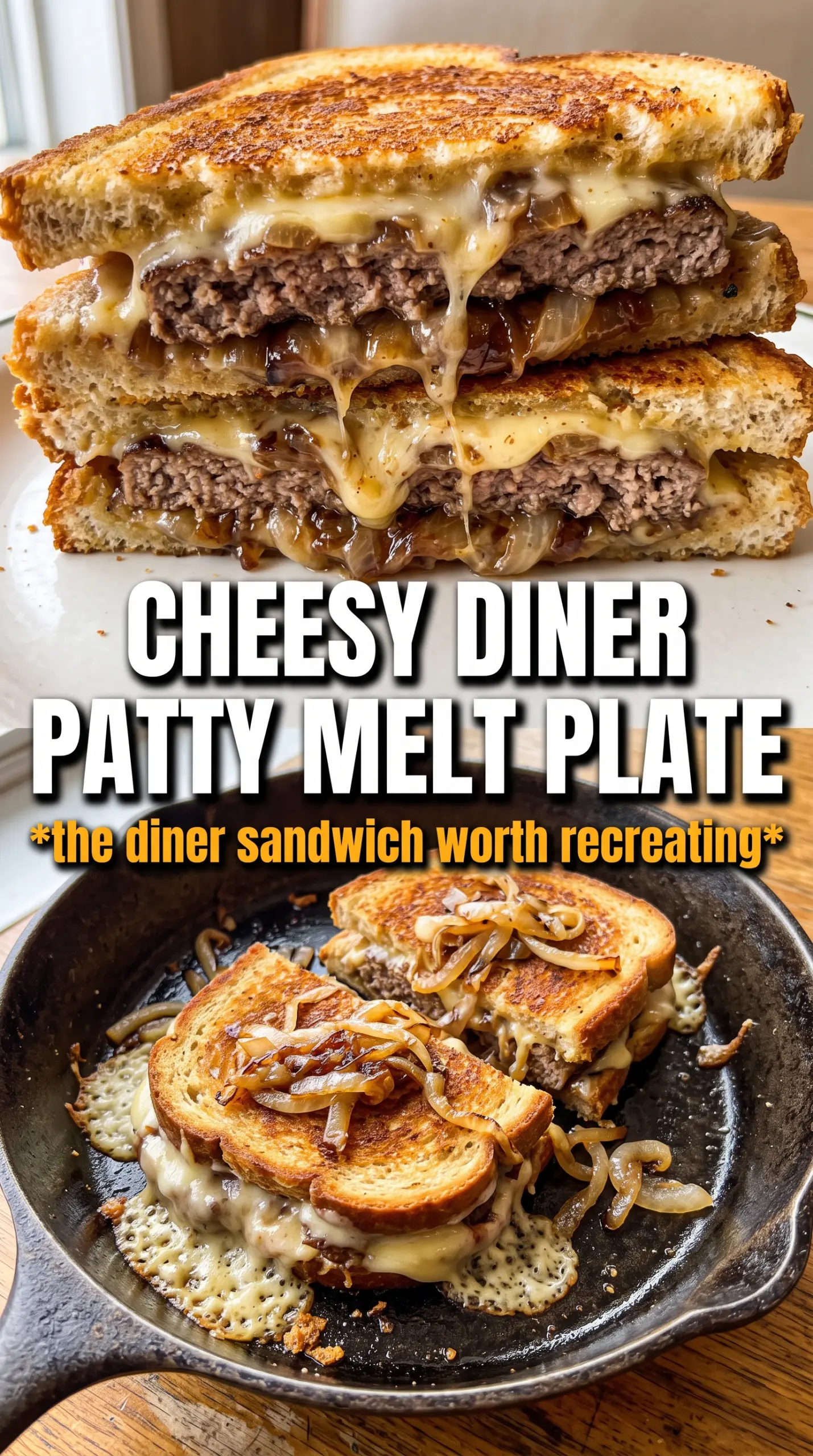
- Rye bread — This is the backbone of the sandwich. Its flavor stands up to the beef and onions, and it toasts into a sturdy crust instead of collapsing under the filling. Plain sandwich bread won’t give you the same chew or hold.
- 80/20 ground beef — The fat keeps the patties juicy in a thin, high-heat cook. Leaner beef dries out fast here, especially once the sandwich goes back into the pan to melt the cheese.
- Swiss and sharp American or cheddar — Swiss brings that classic nutty melt, while cheddar or American gives body and a sharper finish. The combo melts better than using only one cheese and gives you a more balanced bite.
- Onions — Slow-cooked onions are not optional here. They turn sweet, silky, and concentrated, which keeps the sandwich from tasting flat. If you rush them, they taste sharp and watery instead of rich.
- Worcestershire sauce — A little in the beef and a little in the special sauce adds savory depth without making the sandwich taste saucy. It also boosts the browned-beef flavor that makes a patty melt taste like a diner classic.
- Butter — Butter on the bread gives you an even, golden crust. Butter for the onions helps them caramelize instead of dry out, so the same ingredient does two jobs here.
Building the Melt So Nothing Turns Soggy
Slow-Cooking the Onions First
Start the onions in butter over medium-low heat and give them time to soften, then turn deep gold. They should collapse into a jammy pile, not brown at the edges while still crunchy in the middle. If the pan runs dry before they’re done, add a small splash of water and keep going. The goal is sweet and glossy, because wet onions are the fastest way to ruin the bread later.
Smashing the Beef Thin
Divide the beef into loose balls and season them right before they hit the pan. In a ripping-hot cast iron skillet, smash them hard and cook until the first side has a dark crust and the edges look crisp. Flip once and cook the second side just long enough to finish. If you leave them thick, they’ll take longer to cook and the sandwich will feel heavy instead of layered and juicy.
Toasting the Bread and Assembling Fast
Butter the rye and toast it in the same skillet until the slices are golden and lightly crisp. Spread the special sauce on the inside, then layer onions, patty, both cheeses, and a little more onion before closing the sandwich. Don’t overfill it; too much filling makes the center slip while the outside still needs time to brown. Press it back into the skillet just until the cheese melts and the bread seals into one tight, crisp sandwich.
Swap the Cheese When You Want a Sharper Bite
If you only have one kind of cheese, use slices that melt cleanly and stack them a little thicker. Provolone works for a milder sandwich, while extra-sharp cheddar gives a louder finish but can separate if the heat is too high. Keep the second press short so the cheese melts before the bread over-browns.
Make It Dairy-Free Without Losing the Crust
Use a good plant-based butter and a meltable dairy-free cheese slice that’s designed for hot sandwiches. The onions and Worcestershire still carry plenty of flavor, so the sandwich stays satisfying, but the texture of the melt will be a little softer and less stretchy than the original.
Use Ground Turkey for a Lighter Version
Ground turkey works, but it needs a little help because it’s leaner than beef. Add a touch more butter to the pan and don’t overcook the patties, or the sandwich will turn dry before the cheese melts. The result is milder and cleaner-tasting, with the onions doing more of the heavy lifting.
Storage and Reheating
- Refrigerator: Store cooked patties, onions, and assembled sandwiches separately for up to 3 days. The bread softens if everything sits together too long.
- Freezer: The cooked beef patties freeze well for up to 2 months, but the fully assembled sandwich doesn’t hold up well after freezing because the rye and onions lose their texture.
- Reheating: Reheat the patties and onions in a skillet, then rebuild the sandwich and toast it fresh. If you microwave the whole thing, the bread turns rubbery and the cheese gets greasy before it melts evenly.
Questions I Get Asked About This Recipe
Patty Melt
Ingredients
Equipment
Method
- Melt 2 tablespoons butter in a skillet over medium-low heat, then add the thinly sliced onions. Cook 25-30 minutes, stirring occasionally, until deeply golden and soft.
- Divide the ground beef into 4 balls, then season with Worcestershire sauce, garlic powder, salt, and pepper. Press the seasoning into the meat.
- Heat the cast iron skillet over high heat until very hot, then add the beef balls. Smash each one thin and cook 2-3 minutes per side.
- Butter the rye bread and toast it in the skillet until golden brown. Work in batches if needed so the bread stays crisp.
- Stir together the special sauce ingredients: mayo, ketchup, Dijon, and Worcestershire sauce. Mix until smooth and evenly tangy.
- Assemble each melt by layering toasted rye bread, special sauce, caramelized onions, a smashed patty, Swiss cheese, sharp American or cheddar cheese, more onions, and the remaining toast. Keep the sandwich layers tight so they melt together.
- Return the assembled sandwiches to the skillet and press gently so the bread contacts the pan. Cook 1-2 minutes per side until the cheese is fully melted and the bread is crisp.