Southern mac and cheese lands on the table with a golden top, a custardy middle, and noodles that hold their shape instead of collapsing into a heavy, gluey mass. The best versions have contrast: crisp edges where the cheese browns in the oven and a creamy interior that slices cleanly but still feels rich on the spoon. That balance is what makes this dish worth putting in the oven instead of stirring it together on the stove.
The trick here is the egg-and-milk custard, which gives the casserole its set texture without turning it into a frittata. Evaporated milk adds body and a deeper dairy flavor, while the three-cheese blend keeps the sauce from tasting flat. Sharp cheddar brings tang, Colby Jack melts smoothly, and Gruyere gives the kind of savory backbone that makes people go back for a second scoop.
Below, I’ll show you how to keep the custard smooth, how to avoid a greasy top, and what to change if you need to work with different cheeses or a lighter hand on the heat.
The custard set up perfectly and the top turned deeply golden without drying out. I let it rest the full 10 minutes and it sliced clean instead of running everywhere.
Save this Southern mac and cheese for the nights when you want a bubbling three-cheese casserole with a custardy center and a crisp golden crust.
The Custard Is What Keeps This Mac and Cheese from Turning Heavy
A lot of baked mac and cheese recipes lean on a thick cheese sauce, then finish in the oven long enough to dry out the pasta. This version goes a different route. The eggs and milk form a custard that sets gently around the noodles, so the casserole stays creamy without needing a roux or a pile of flour.
The biggest mistake here is overheating the dairy mixture before it goes into the pan. You’re not cooking the eggs on the stove; you’re using the oven to set them slowly. That’s why the baking dish should be deep and the oven steady at 350°F. Too hot and the eggs can turn grainy before the center is done. Too cool and the dish won’t set with the same clean slice.
- Eggs — these do the setting work. Four eggs is enough to give structure without making the casserole bouncy.
- Evaporated milk — this adds body and a slightly richer dairy taste than regular milk alone. There isn’t a perfect stand-in for it, but half-and-half works if you want a softer set.
- Sharp cheddar — the sharpness keeps the flavor from going bland. Mild cheddar melts, but it doesn’t give the same edge.
- Gruyere — this brings nutty depth and a smoother melt. If you need a swap, use Monterey Jack or more Colby Jack, but expect a milder finish.
What Each Cheese Is Doing in the Pan
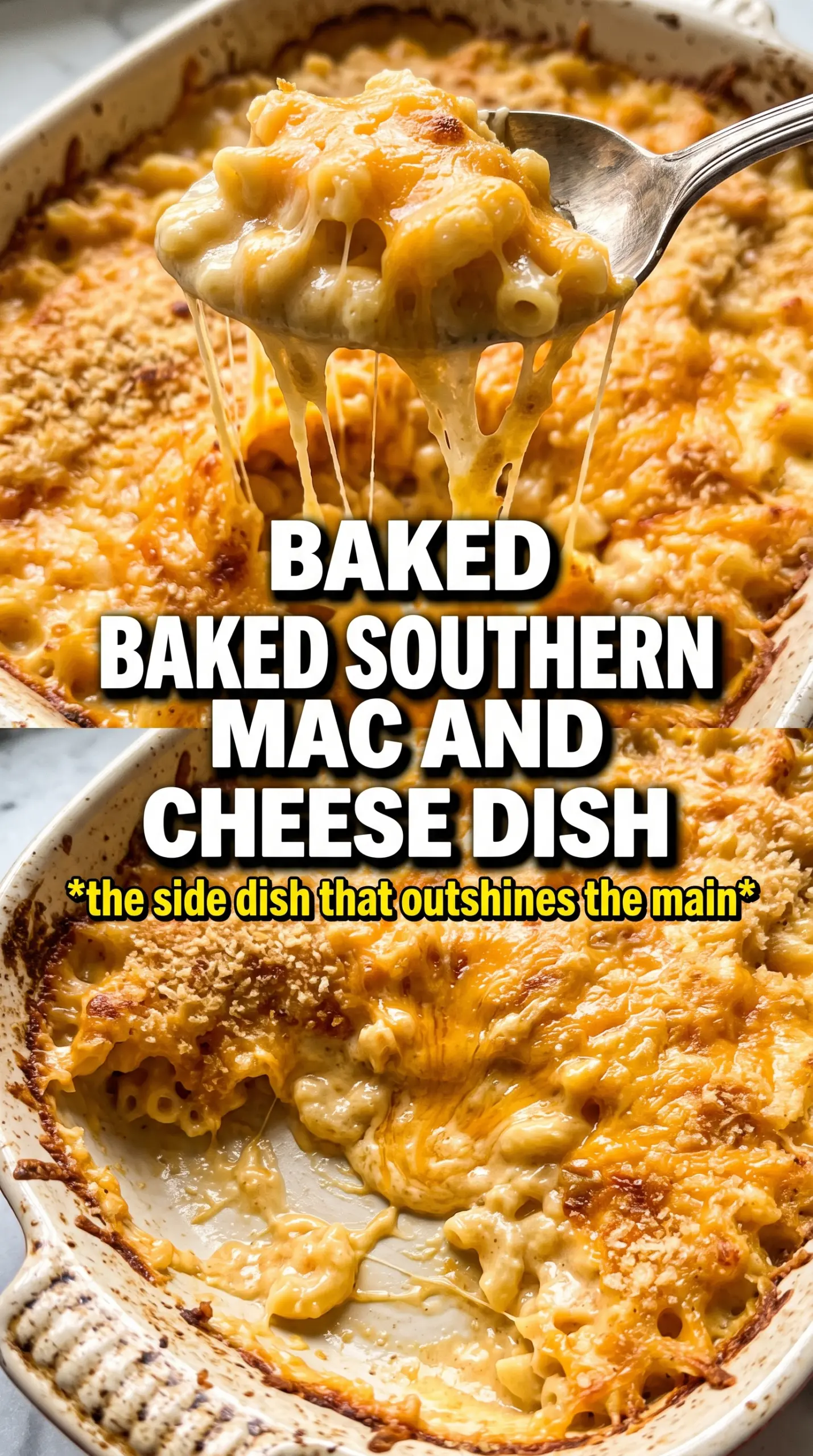
The cheese blend matters because each one behaves differently once it hits heat. Sharp cheddar gives you tang and color. Colby Jack melts into the custard without getting stringy or oily. Gruyere carries the savory note that makes the dish taste layered instead of just salty and rich.
Cold, pre-shredded cheese will still work in a pinch, but freshly shredded cheese melts more evenly and gives you a smoother top. The anti-caking starch in bagged cheese can make the custard feel a little less silky. If you’re using what you have, don’t panic. Just don’t use only cheddar unless you’re fine with a firmer, sharper bake.
- Butter — those cubes on top help the cheese brown instead of drying out. They also add a little extra richness to the crust.
- Dijon mustard — it won’t make the mac and cheese taste like mustard. It sharpens the cheese and keeps the custard from tasting flat.
- Smoked paprika and cayenne — these are subtle, but they keep the flavor from leaning one-note. The cayenne shouldn’t read as heat; it should just wake the dish up.
- Elbow macaroni — the shape matters because the curves catch the custard. Overcooked noodles get mushy fast, so cook them just until tender before baking.
Building the Layers So the Center Stays Creamy
Starting with the First Layer of Pasta
Butter the baking dish well, then spread in half the macaroni. That first layer gives the cheese something to cling to, and it keeps the bottom from turning into one dense block. If the pasta is still steaming hard from the pot, let it sit for a minute or two so it doesn’t start melting the butter before the custard goes in.
Pouring the Custard Without Leaving Dry Pockets
Whisk the eggs, milk, evaporated milk, and seasonings until the mixture looks smooth and even. Pour it slowly over the layered pasta and cheese, then give the dish a small shake so the liquid slips into the gaps. If you rush this part, you’ll get dry corners and a middle that sets unevenly.
Watching for the Set and the Golden Top
Bake until the center is just set and the top is deeply golden, not pale. The middle should move only slightly when you jiggle the pan. If it still sloshes, it needs more time. Pulling it too early gives you a loose custard, while overbaking makes the eggs tighten and the cheese separate.
Let it rest for 10 minutes before serving. That pause matters. The casserole finishes setting as it sits, and the slices hold together instead of running into the serving spoon.
How to Adapt This Southern Mac and Cheese Without Losing the Texture
Gluten-Free Southern Mac and Cheese
The recipe is naturally gluten-free as written, as long as your mustard and spices are certified gluten-free. The texture doesn’t change, which is one reason this style of mac and cheese is such a reliable choice for mixed-diet gatherings.
Dairy-Light Swap
You can replace the evaporated milk with half-and-half, but the bake will come out a little softer and less rich. If you go lighter than that, the custard won’t have the same body, and the center may feel loose after baking.
Cheese Swaps for What’s in the Fridge
Use Monterey Jack, Fontina, or more Colby Jack if you don’t have Gruyere. The flavor will be milder, but the melt stays smooth. Avoid using only very sharp cheddar or very dry cheeses, or the top can turn oily before the custard finishes setting.
Making It Ahead for a Crowd
You can assemble the casserole a few hours ahead, cover it, and refrigerate it before baking. Let the dish sit at room temperature while the oven preheats so the center isn’t going in ice-cold, which can throw off the bake time. Add a few extra minutes if it’s still very cold when it goes into the oven.
Storage and Reheating
- Refrigerator: Store covered for up to 4 days. The custard will firm up as it chills, which is normal.
- Freezer: It freezes, but the texture changes a bit after thawing. Freeze in portions, wrap tightly, and thaw overnight in the fridge for the best result.
- Reheating: Reheat covered in a 325°F oven with a splash of milk over the top to loosen the custard. The microwave works for a single portion, but use short bursts so the eggs don’t seize and turn rubbery.
Answers to the Questions Worth Asking
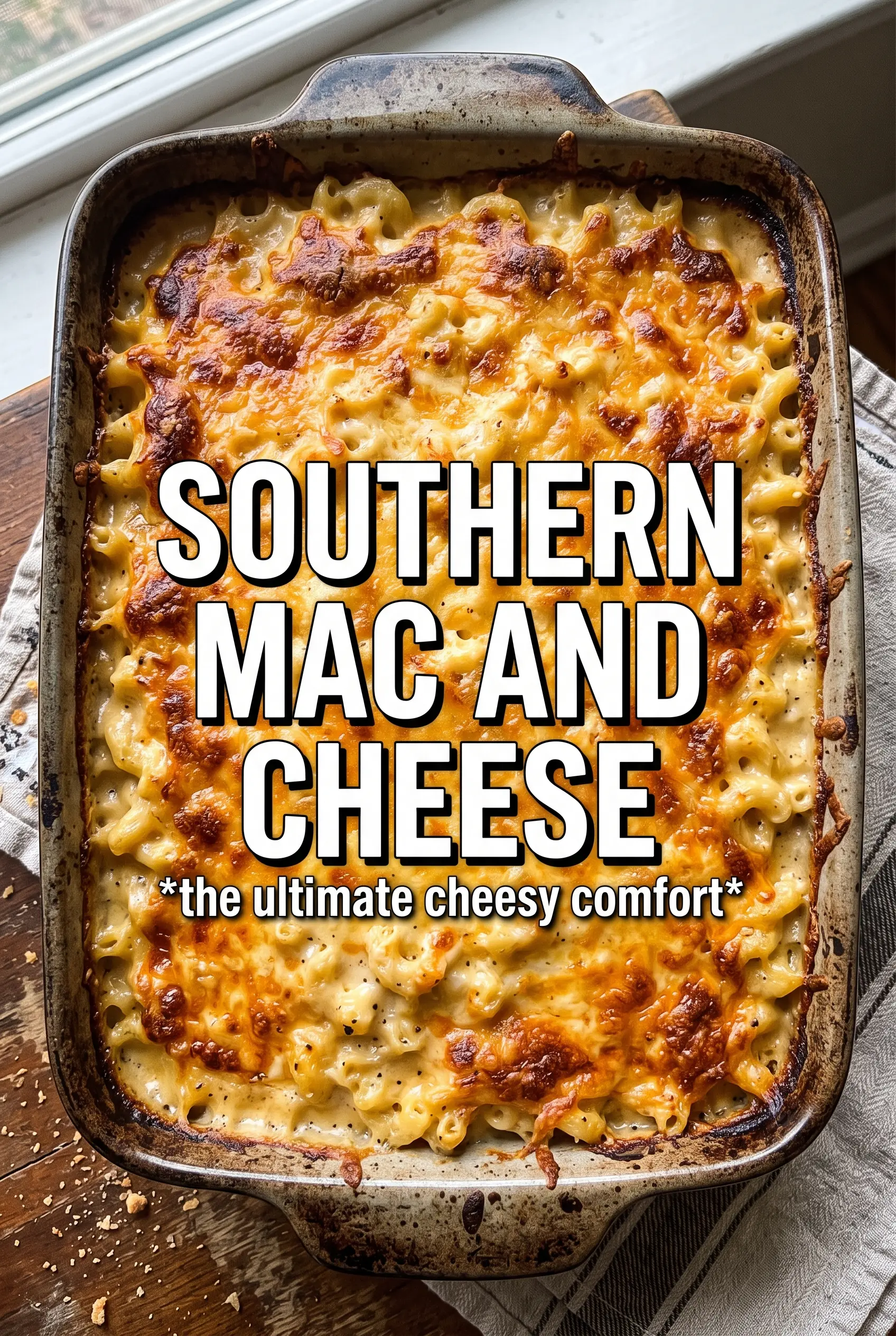
Southern Mac And Cheese
Ingredients
Equipment
Method
- Preheat the oven to 350°F, then butter a deep 9x13 baking dish so the mac releases cleanly after baking.
- In a large bowl, whisk eggs, whole milk, evaporated milk, Dijon mustard, smoked paprika, garlic powder, cayenne, salt, and pepper until smooth and evenly speckled.
- Layer half the cooked macaroni in the dish, then scatter 2 cups sharp cheddar, all the Colby Jack, and all the Gruyere over so the cheese is distributed throughout.
- Add the remaining macaroni on top, then pour the egg-milk custard over everything until the noodles look heavily coated and glossy.
- Dot the top with butter cubes, then sprinkle the remaining 2 cups sharp cheddar over for a crisp, golden finish.
- Bake for 40–45 minutes at 350°F until the custard is set in the center and the top is golden with bubbling edges.
- Rest for 10 minutes before serving so the custard thickens slightly and holds its creamy texture when scooped.