Glossy chicken lo mein is one of those dinners that disappears fast because every bite hits the same balance: tender noodles, juicy chicken, crisp-tender vegetables, and a savory sauce that clings instead of pooling at the bottom of the bowl. The best versions don’t taste heavy or greasy. They taste lively, with just enough sweetness to round out the soy and sesame.
What makes this version work is the order. The chicken gets cooked first and set aside, which keeps it from overcooking while the vegetables and noodles finish in the same hot pan. The sauce is whisked together before anything hits the wok, so once the noodles go in, you can move quickly and coat everything evenly before the pan starts to cool down. That last high-heat toss is what gives lo mein its takeout-style gloss.
Below you’ll find the one technique that keeps the noodles from turning sticky, plus a few swaps that actually make sense if you’re using what you’ve got in the fridge.
The noodles soaked up the sauce without getting soggy, and the chicken stayed juicy even after the final toss. I used cabbage instead of bok choy and it still tasted just like our favorite takeout order.
Save this chicken lo mein for the nights when you want glossy noodles, tender chicken, and a fast soy-sesame stir-fry with almost no cleanup.
The Noodle Toss That Keeps Lo Mein Glossy Instead of Sticky
Lo mein goes wrong when the noodles sit around after the sauce goes in. By the time everything is coated, the pan has cooled and the starch starts grabbing onto itself. That is how you get a clumpy stir-fry instead of loose, glossy noodles.
The fix is heat and timing. Cook the chicken, then the vegetables, then bring the noodles back in only when the sauce is ready to go. Once the sauce hits the pan, toss hard and keep it moving so every strand gets coated before the sauce tightens. If the noodles were already cold from the fridge, rinse them briefly under hot water or loosen them with a splash of water before they hit the wok.
- High heat matters here because it helps the sauce cling quickly instead of sinking to the bottom.
- Thin chicken slices cook fast and stay tender, which is important since they go back into the pan at the end.
- Overcrowding is the enemy — if your skillet is small, cook the chicken in two batches so it sears instead of steaming.
- Cooked noodles need to be loose before they go in, or the first toss will just turn them into one big knot.
What Each Ingredient Is Actually Doing in This Bowl
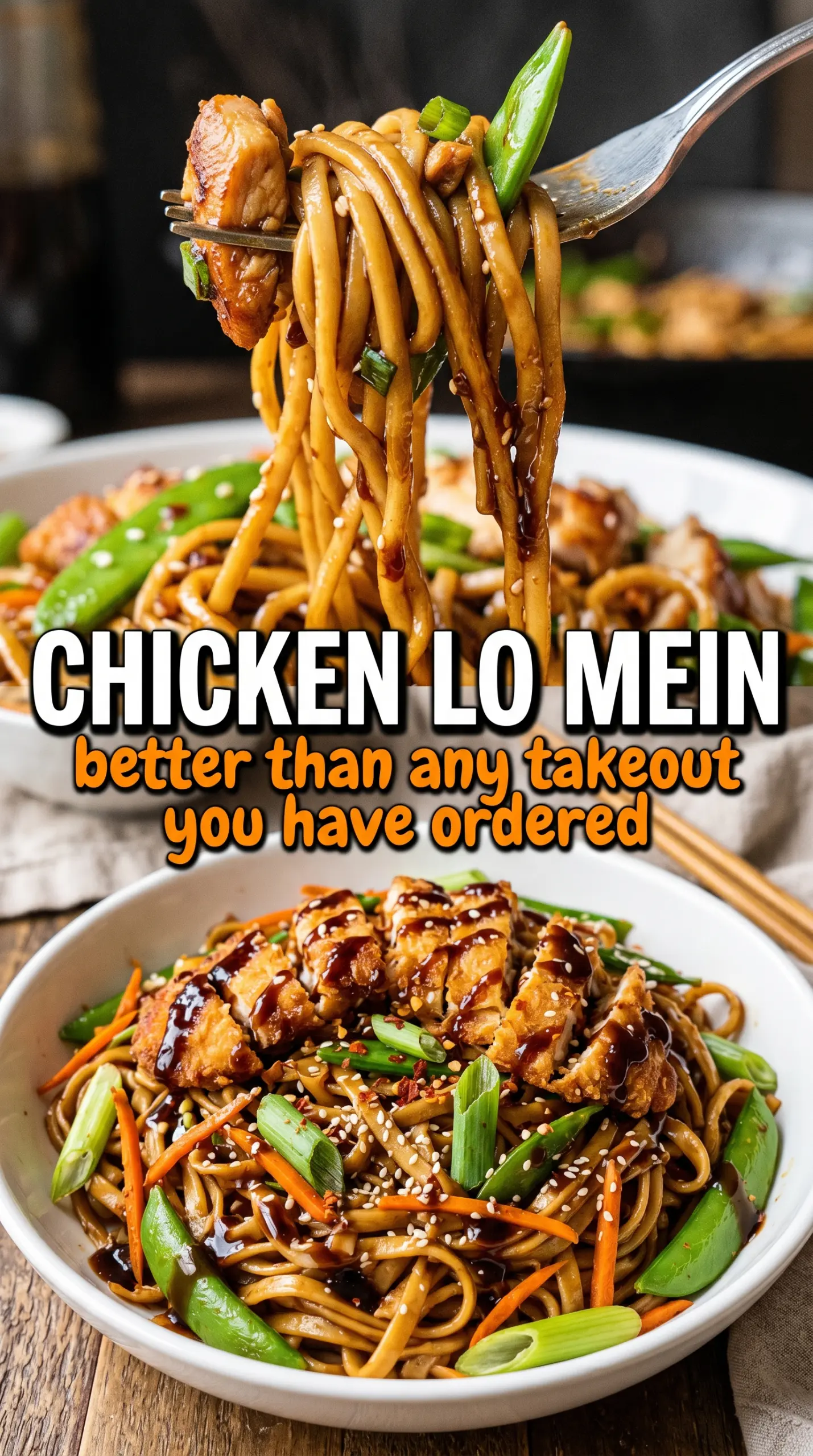
- Lo mein noodles or spaghetti — Real lo mein noodles have the best chew, but spaghetti works well when that’s what you’ve got. Cook it just to al dente, because it finishes in the sauce and will go soft if you boil it fully first.
- Chicken breast — Thin slicing is what keeps it tender. If the strips are thick, they need longer heat and the noodles will overcook before the chicken is done.
- Sesame oil — Use it twice. A little in the sauce builds that nutty finish, and a final drizzle wakes up the whole dish right before serving. Don’t cook it hard for long periods; it’s a finishing oil here.
- Oyster sauce and hoisin sauce — This is where the deep, savory-sweet flavor comes from. Soy sauce alone tastes flat in lo mein, but these two add body and a little gloss.
- Bok choy, cabbage, carrots, and bean sprouts — This mix gives you crunch, sweetness, and a little freshness. Cabbage can stand in for bok choy without changing the texture too much, and it holds up better than delicate greens if you like a softer stir-fry.
- Garlic and ginger — These need only a short hit of heat. If they brown, they turn bitter fast, so they go in right before the vegetables and only stay in the pan for seconds.
Building the Stir-Fry So the Sauce Coats Every Strand
Mix the Sauce Before the Heat Starts
Whisk the soy sauce, oyster sauce, hoisin, brown sugar, and sesame oil together before you turn on the burner. Once the wok is hot, there’s no time to measure and stir. A smooth sauce is easier to distribute evenly, and the sugar dissolves better before it meets the pan.
Sear the Chicken, Then Get It Out
Heat the vegetable oil until it shimmers, then add the chicken in a single layer. Let it sit long enough to pick up a little color before stirring. If you keep tossing too early, the chicken steams and stays pale. Pull it out as soon as it’s cooked through; it will finish warming in the sauce at the end.
Wake Up the Aromatics Fast
Add the garlic and ginger to the same pan and stir for about 30 seconds. You want a sharp, fragrant hit, not browned bits. Then add the vegetables while the pan is still hot so they soften at the edges but keep some bite in the center. That quick transition keeps the final dish from tasting tired or soggy.
Finish With a Hard Toss
Return the chicken and noodles to the pan, pour the sauce over everything, and toss over high heat for about 2 minutes. The noodles should turn glossy and evenly coated, and the sauce should cling instead of sitting in a puddle. If the pan looks dry before the noodles are coated, add a splash of water to help the sauce spread. Finish with sesame oil, green onions, and sesame seeds, then serve it right away.
Ways to Adapt This Lo Mein Without Losing the Point
Make it gluten-free
Use gluten-free tamari in place of soy sauce, and choose a gluten-free oyster sauce or a mushroom stir-fry sauce if that’s what you can find. Check your noodles too; rice noodles or gluten-free spaghetti will work, but they cook softer, so stop them a little early.
Use cabbage as the main vegetable
If you don’t have bok choy, use all cabbage and carrots. Cabbage stays crisp enough for stir-fry, and it soaks up the sauce without collapsing, which makes it one of the best stand-ins for lo mein.
Make it vegetarian
Swap the chicken for pressed tofu or sliced mushrooms. Tofu gives you a softer bite and needs a little extra browning first, while mushrooms bring a meaty texture and their own savory depth. If you skip the oyster sauce, replace it with extra hoisin and a splash of mushroom sauce.
Storage and Reheating
- Refrigerator: Store leftovers in an airtight container for up to 4 days. The noodles will absorb more sauce as they sit, so expect a softer texture the next day.
- Freezer: It freezes, but the noodles lose some spring after thawing. If you want to freeze it, portion it tightly and thaw in the fridge before reheating.
- Reheating: Reheat in a skillet over medium heat with a splash of water until the noodles loosen and steam through. The common mistake is blasting it in the microwave until the noodles dry out at the edges while the center stays cold.
Answers to the Questions Worth Asking
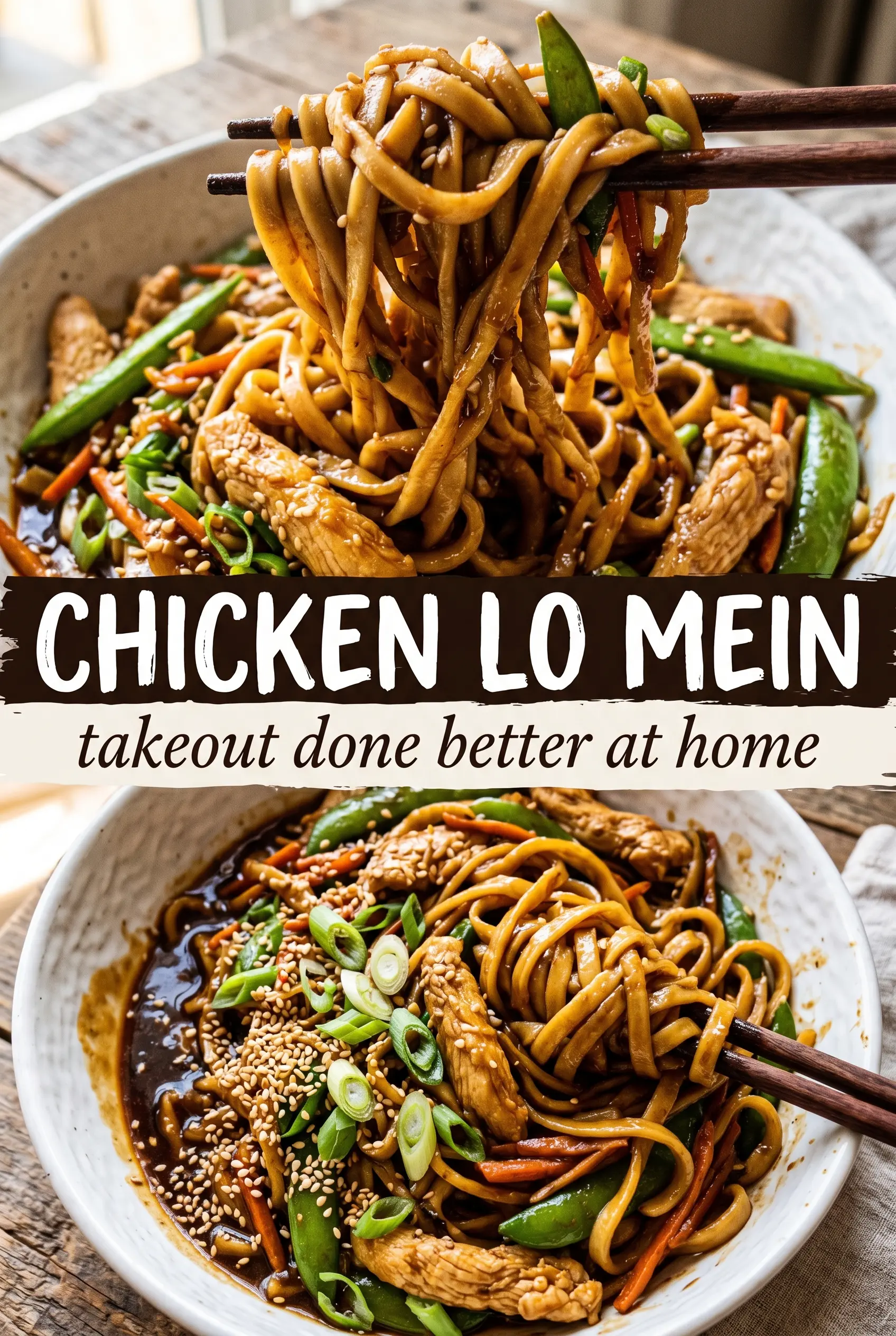
Chicken Lo Mein
Ingredients
Equipment
Method
- Whisk soy sauce, oyster sauce, hoisin sauce, brown sugar, and 1 teaspoon sesame oil until smooth, then set aside.
- Heat vegetable oil in a wok or large skillet over high heat, add the sliced chicken, and cook for 3–4 minutes until cooked through—remove and set aside.
- In the same wok, add the remaining vegetable oil if needed, then stir-fry minced garlic and grated ginger for 30 seconds until fragrant.
- Add bok choy or cabbage, shredded carrots, and bean sprouts, then cook for 3 minutes, stirring so they stay crisp-tender.
- Return the cooked chicken to the wok, add the cooked lo mein noodles, and pour the sauce over everything.
- Toss over high heat for 2 minutes until noodles are evenly coated and heated through.
- Drizzle with the reserved sesame oil, top with green onions and sesame seeds, then serve immediately.