Thick rhubarb pie filling in a jar is one of those pantry projects that pays off every time you open it. The finished filling lands right between tart and sweet, with enough body to hold its shape in a crust instead of turning watery in the oven. When it’s canned properly, you get that bright pink fruit and a spoonable texture that tastes like spring later in the year.
The trick is getting the thickener into the pot at the right moment. Rhubarb releases a lot of juice as it sits with sugar, and that liquid is what makes the filling taste concentrated instead of flat. Clear Jel gives the filling the clean, glossy set you want for canning; it thickens predictably under heat without turning gummy. If you’re freezing the filling instead, cornstarch works too, but it won’t hold up for water-bath canning.
Below, I’ll walk through the part that matters most: how to keep the filling from clumping, scorching, or turning too loose once it’s in the jar. There’s also a note on the pink coloring, because that’s optional for appearance, not for success.
The filling thickened exactly the way I wanted and stayed smooth in the jars. I used it for a pie two weeks later, and it baked up with a bright rhubarb flavor and no watery layer at the bottom.
Love having thick rhubarb pie filling ready on the shelf? Save this for the days when you want a bright, jammy pie filling that bakes cleanly every time.
The Reason Rhubarb Filling Stays Thin Unless You Thicken It Right
Rhubarb is packed with water, and once the sugar hits it, that water comes out fast. If you add the thickener too early or dump it in dry, you’ll get clumps on the bottom and a filling that looks cooked but still pours like soup. The goal here is to let the rhubarb soften and release juice first, then add the slurry slowly so the heat can activate it evenly.
Clear Jel is the reason this recipe works for canning. It stays stable through the high heat of a boiling water bath and later holds up when the filling is baked into a pie. Cornstarch thickens nicely on the stove, but it breaks down in canned fillings and can leave you with a thin, odd-textured jar later.
- Letting the rhubarb sit with sugar pulls out juice before cooking, which gives you a fuller-tasting filling and keeps the final texture consistent.
- Mixing Clear Jel with cold water first keeps it from clumping the moment it hits the hot fruit.
- Cooking until the mixture comes back to a boil after thickening is what sets the fillng properly before it goes into jars.
- Leaving 1 inch of headspace gives the filling room to expand during processing without forcing liquid out of the jars.
What the Thickener Is Doing in This Jar
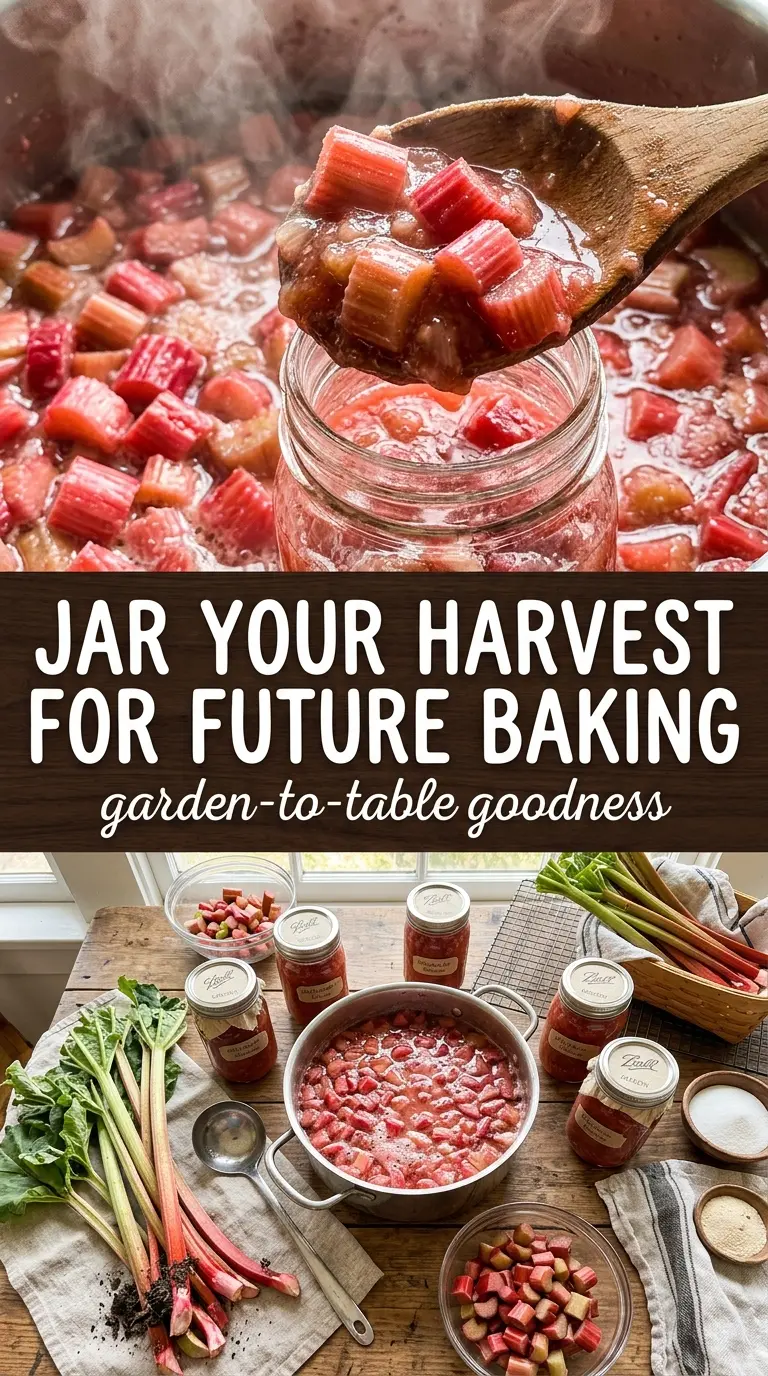
- Rhubarb brings the sharp, tart backbone that makes the filling taste like rhubarb instead of just sweet syrup. Cut it into 1/2-inch pieces so it softens evenly without disintegrating.
- Sugar does more than sweeten. It draws out juice, balances the tartness, and helps create the glossy, spoonable filling you want in the jar.
- Clear Jel is the canning-safe thickener here. Use the regular cook-type version for this recipe; instant Clear Jel behaves differently and isn’t a straight swap.
- Lemon juice sharpens the flavor and supports safe acidity in the finished jars. Bottled is the safer choice for consistency in canning recipes.
- Pink food coloring is optional and only changes the look. Rhubarb can fade to a muted tan-pink during cooking, so add a few drops at the end if you want a brighter jar.
How to Get the Filling Thick Before It Goes Into the Jars
Softening the Rhubarb and Pulling Out the Juice
Start by combining the chopped rhubarb and sugar in a large pot and letting it rest for 30 minutes. You’ll see liquid collecting in the bottom; that’s what you want. Once it hits the stove, bring it up over medium heat and stir often so the sugar doesn’t sit on the bottom and scorch. If you rush this part on high heat, the edges can brown before the fruit has a chance to soften.
Making a Smooth Slurry
Stir the Clear Jel into the cold water until it looks completely smooth and milky. Cold water matters because hot liquid can make the thickener seize into lumps before it ever reaches the pot. Add the extra water and lemon juice to the rhubarb mixture first, then pour in the slurry slowly while stirring. That slow addition gives the thickener a chance to disperse instead of setting in streaks.
Cooking Until It Turns Glossy and Heavy
Keep stirring constantly once the slurry is in. The filling will go from loose and foamy to thicker, glossy, and noticeably heavier on the spoon. As soon as it comes back to a boil, let it bubble just long enough to fully activate the thickener, then move fast into the jars. If the mixture never comes back to a boil after thickening, it won’t set correctly once canned.
Jarring and Processing Without Losing the Set
Ladle the hot filling into sterilized quart jars, leaving 1 inch of headspace. Wipe the rims, attach lids, and process in a boiling water bath for 30 minutes. Don’t overfill the jars, because that squeezes filling into the seal area and can cause sealing failures. When the jars cool, the filling should look settled but still thick, not watery around the edges.
Freeze It Instead of Canning
If you want to skip the water bath, swap the Clear Jel for cornstarch and freeze the filling instead of canning it. The texture will be a little softer and less glossy after thawing, but it works well for pies and crisps. Freeze in airtight containers with room for expansion, then thaw in the refrigerator before using.
Skip the Food Coloring
The coloring is cosmetic only. Leave it out if you want the natural color of the rhubarb, even if it looks a little muted after cooking. The flavor and texture stay exactly the same.
Use It for More Than Pie
This filling works in crisps, hand pies, and spoon desserts just as well as a full pie. If you’re baking it into a crust, remember that the filling is already cooked, so you’re just heating it through and setting the pastry.
Storage and Reheating
- Refrigerator: Sealed jars keep for a long time on the shelf after proper canning, but once opened, store the filling in the refrigerator for up to 1 week. The texture will stay thick and spoonable.
- Freezer: Canned jars shouldn’t be frozen. If you make the filling with cornstarch for freezing, it keeps for about 3 months and should be thawed in the refrigerator.
- Reheating: Warm opened filling gently on the stove or use it straight from the jar in a pie crust. Stir as it heats so the thickener doesn’t catch on the bottom and turn lumpy.
Answers to the Questions Worth Asking
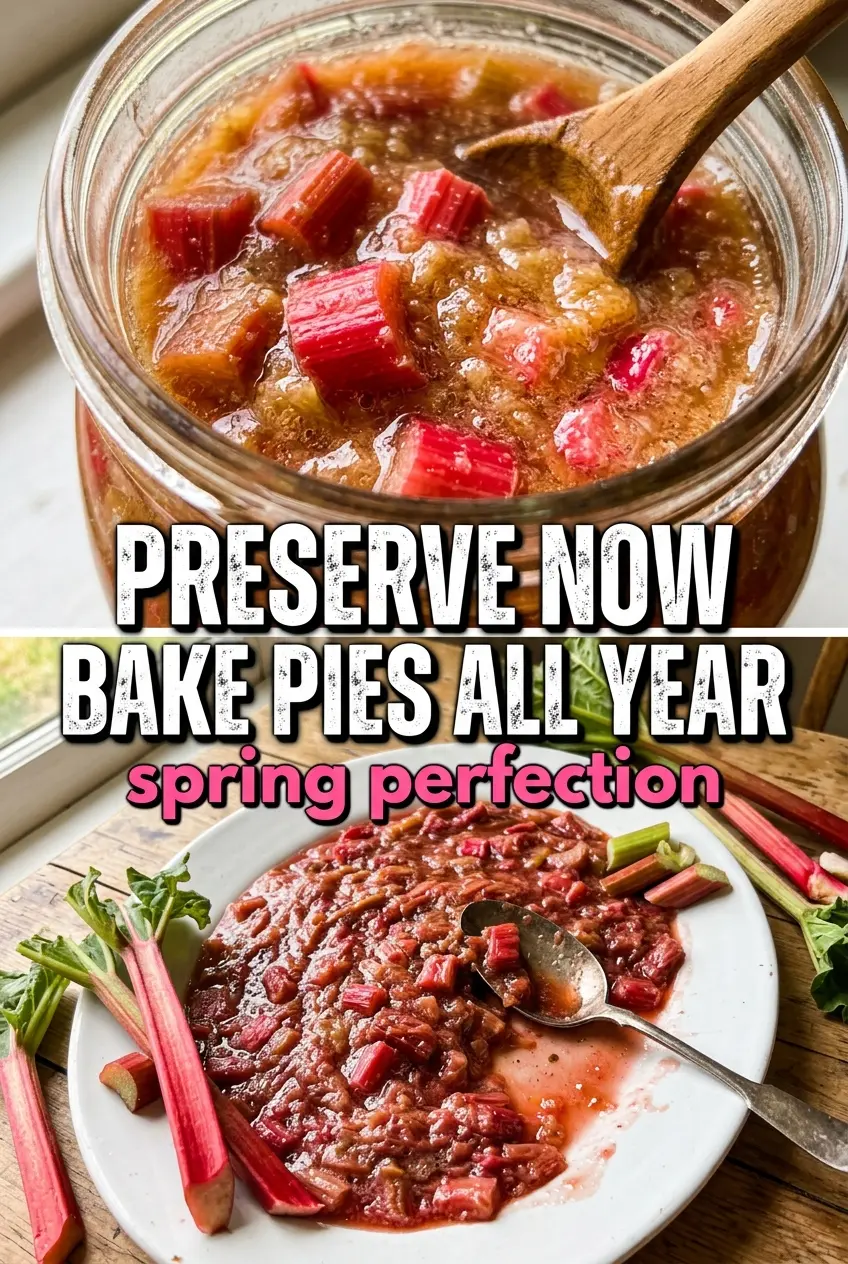
Canning Rhubarb Pie Filling
Ingredients
Equipment
Method
- Place the rhubarb in a large pot and sprinkle with sugar, then let sit for 30 minutes to release juices (no heat yet).
- Bring the rhubarb and sugar mixture to a boil over medium heat, stirring frequently so it doesn’t scorch.
- Mix the Clear Jel with 1 cup cold water to make a smooth slurry with no lumps.
- Add the remaining 1 cup water and the lemon juice to the pot, then slowly stir in the Clear Jel slurry.
- Cook, stirring constantly, until the mixture thickens and comes to a boil.
- Stir in pink food coloring if desired, then turn off the heat.
- Ladle the hot filling into sterilized quart jars, leaving 1-inch headspace.
- Process the jars in a boiling water bath for 30 minutes.
- Allow jars to cool before storing, then use the filling for pies, crisps, or desserts year-round.