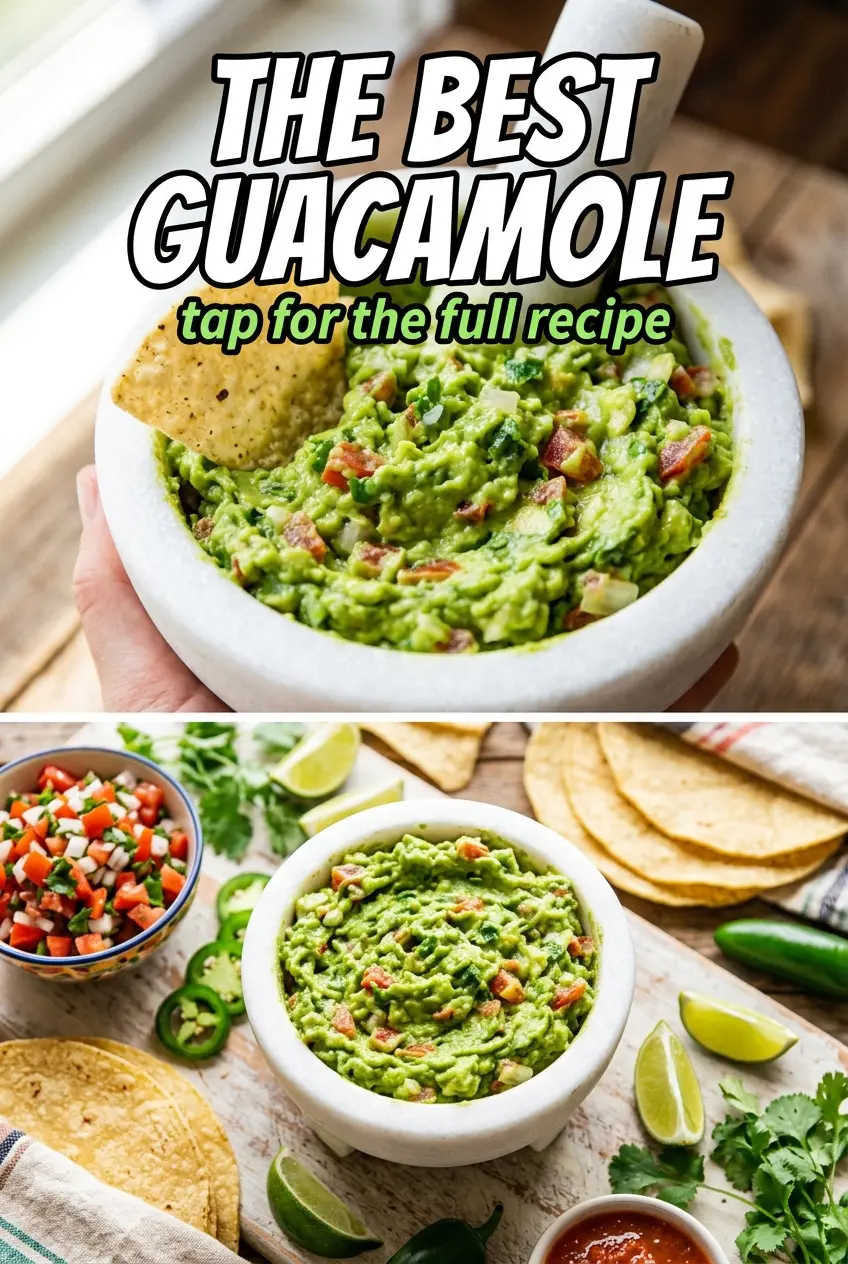
Guacamole lives or dies on texture and balance. When it’s made well, the avocado stays creamy, the lime keeps everything bright, and the onion and jalapeño give each bite a little snap instead of turning it muddy. The best bowl doesn’t taste like mashed avocado with things stirred into it. It tastes layered, fresh, and alive.
The trick is treating the avocado as the base, not the whole story. A ripe avocado should yield to gentle pressure without feeling stringy or watery, and the lime juice does more than add acidity — it keeps the flavor from falling flat after the first chip. I also keep the tomato modest and well diced so it adds freshness without turning the dip loose. Too much tomato is one of the fastest ways to end up with soup instead of guacamole.
Below, I’m breaking down the one mixing order that helps the texture stay right, plus a few smart swaps for making it milder, spicier, or a little more make-ahead friendly.
The lime and jalapeño were balanced perfectly, and the texture stayed chunky without turning watery even after sitting out for a bit. I made it for taco night and my husband kept sneaking chips back to the bowl.
Keep this guacamole recipe handy for the nights when you want a fresh, chunky dip with the right lime-onion bite.
The Avocado Turned Wrong: How to Keep Guacamole Creamy Instead of Gloopy
Guacamole gets watery when the avocado is too ripe, the tomato is overdone, or the bowl is stirred hard enough to break the fruit down into a paste. The fix is simple: start with ripe but not collapsing avocados, mash only until you hit the texture you want, and fold in the add-ins at the end so they stay distinct. That keeps the dip thick enough to cling to a chip instead of sliding right off it.
Salt matters here more than people expect. It pulls the flavors together and wakes up the lime, onion, and cilantro, but if you under-season, the whole bowl tastes flat and one-note. Taste after everything is combined, then adjust in small pinches. The balance should feel bright first, creamy second, and spicy only if you want that heat to show up.
What Each Ingredient Is Actually Doing in This Bowl
- Avocados — These are the body of the guacamole, so ripeness matters more than anything else. You want fruit that mashes smoothly with a little structure left, not hard avocados that stay chunky or overripe ones that taste stringy and dull.
- Fresh lime juice — Lime keeps the avocado from tasting heavy and helps slow browning. Bottled lime juice works in a pinch, but the fresh version has a sharper edge that makes the whole bowl taste cleaner.
- White onion — White onion gives a clean, sharp bite that cuts through the richness. Red onion can work too, but it brings a sweeter, slightly deeper flavor that changes the balance.
- Jalapeño — This is your heat and freshness. If you want less spice, remove the seeds and ribs; if you want more, leave some of the inner membrane in the mince.
- Cilantro — Cilantro adds the herbal note that makes guacamole taste like guacamole instead of plain avocado mash. If you’re one of the people who can’t stand it, parsley will give you freshness, but it won’t taste the same.
- Roma tomato — Roma tomatoes are sturdier and less watery than many other tomatoes, which helps the guacamole stay thick. Dice them small and scoop out extra seeds if they look especially juicy.
Building the Bowl Without Crushing the Texture
Mashing the Avocado to the Right Point
Scoop the avocado flesh into a medium bowl and mash it with a fork until it looks the way you want it to look in the finished dip. For chunky guacamole, leave visible pieces; for a smoother version, keep going until the base loosens up. Stop before it turns into a puree, because the add-ins still need room to stand out. If the avocado is firm and stubborn, it wasn’t ripe enough, and no amount of mashing will make it taste as good.
Folding in the Fresh Ingredients
Add the onion, jalapeño, cilantro, and tomato after the avocado is mashed. Fold them in gently so the tomato stays intact and the avocado doesn’t turn into paste. This is where people often overmix and lose all texture, especially if they stir in a wide, fast motion. Use a spoon or spatula and work just until everything looks evenly distributed.
Seasoning and Serving at the End
Stir in the lime juice, then taste and add salt and pepper in small amounts. Lime sharpens the dip, but salt is what makes the avocado taste full instead of flat. Serve it right away with warm tortilla chips, because guacamole looks and tastes its best when the surface is fresh and the color is still bright. If it has to wait, press plastic wrap directly onto the surface so air doesn’t start turning the top layer brown.
How to Adapt This for Milder, Spicier, or Make-Ahead Guacamole
Milder Guacamole for Heat-Sensitive Guests
Skip the jalapeño seeds and ribs, or use just half of the pepper. You’ll still get the fresh green pepper flavor without much burn. If you want even less heat, replace the jalapeño with a spoonful of finely diced bell pepper for crunch and a softer finish.
A Dairy-Free, Naturally Gluten-Free Dip That Still Feels Substantial
This recipe is already dairy-free and gluten-free as written, which is part of why it works so well for a crowd. The creaminess comes from the avocado itself, so you don’t need sour cream or yogurt to make it feel rich. Serve it with tortilla chips, sliced vegetables, or warm tortillas.
Making It Ahead Without the Top Turning Brown
Guacamole tastes best the day it’s made, but you can prep it a few hours ahead if you press plastic wrap directly against the surface before chilling. The tight contact matters more than the container lid, because air is what starts the browning. Stir again just before serving and refresh with a squeeze of lime if the top tastes a little muted.
Chunkier, More Rustic Guacamole
Mash only half the avocado before folding in the rest in rough chunks. You’ll get a more textured dip that holds up well on chips and gives you those soft pockets of avocado in every scoop. This version is especially good if you want the tomato and cilantro to look clearly visible in the bowl.
Storage and Reheating
- Refrigerator: Best eaten the same day, but it will hold for about 1 day if the surface is pressed tightly with plastic wrap. Expect a little browning on top and a softer texture overall.
- Freezer: Freezing isn’t a good option. The avocado turns watery and grainy after thawing, and the fresh vegetables lose their texture.
- Reheating: No reheating needed. Serve it cold or at room temperature, and stir before serving if the surface has oxidized slightly. The common mistake is trying to warm it, which breaks the texture and dulls the lime.
Questions I Get Asked About This Recipe
Guacamole
Ingredients
Method
- Scoop the avocado flesh into a medium bowl and keep it in a single layer if possible for faster mashing.
- Mash the avocado with a fork until the desired consistency is reached, leaving some pieces for a chunky texture or mashing smoother if preferred.
- Fold in the diced white onion, minced jalapeño, chopped cilantro, and diced Roma tomato, stirring gently so the tomato stays in visible red pieces.
- Add the fresh lime juice and gently toss to combine, coating the mash evenly without overworking it.
- Season with salt and pepper to taste and stir once more to distribute the seasoning.
- Transfer to a serving bowl and serve immediately with warm tortilla chips.
- If not serving right away, place plastic wrap directly on the surface of the guacamole to prevent browning.